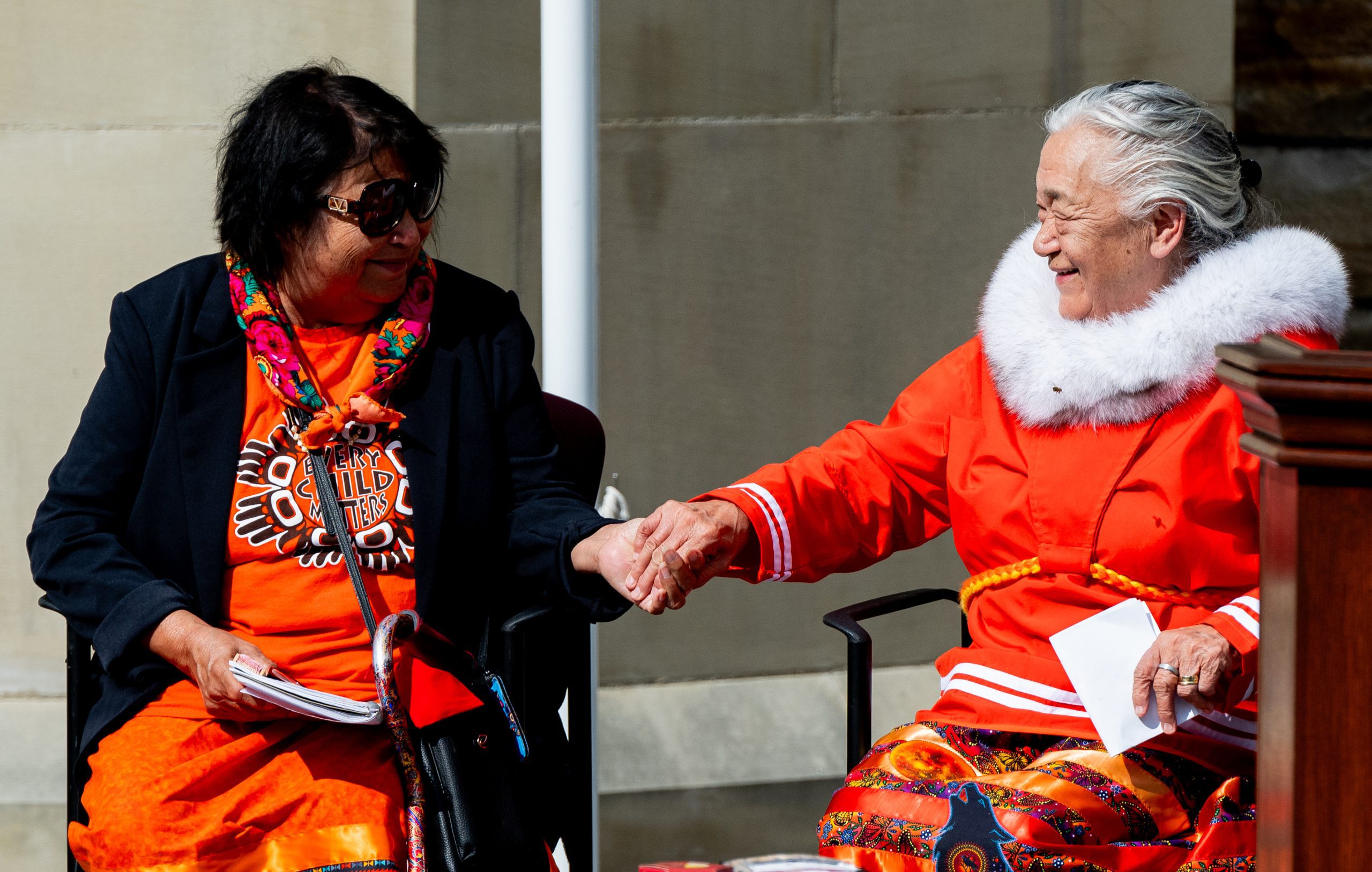
Today on Truth and Reconciliation Day, Canadians are asked to honour residential school survivors and the children who never came home, and to support the families and communities who must live with that history.
It also calls for action, not mere commemoration. The Truth and Reconciliation Commission called for structural change in Canada, and that means clearing the way for Indigenous leadership across this country.
Economic reconciliation is a practical journey that shifts decision-making and ownership towards First Nations and Indigenous people more generally.
Throughout B.C., First Nations are already practicing what that looks like. The Osoyoos Indian Band has built a diverse economy in tourism, wine, and recreation that has sustained steady jobs and revenue.
“I think all Native leadership need to get the economic development focus going on and make the economy the number one issue. It’s the economy that looks after everything,” Chief Clarence Louie has said. That sense of mission, along with assets like Nk’Mip Cellars and Spirit Ridge, has helped to turn Osoyoos into a B.C. success story.
On the coast, the Haisla Nation is leading in innovation in the LNG sector. In 2024, the Cedar LNG facility was granted a positive final investment decision, along with the Haisla’s majority ownership of the $4 billion project.
“Today is about changing the course of history for my Nation and Indigenous peoples,” said Haisla Chief Councillor Crystal Smith during the long approval process. By seeing the project through, Haisla ownership has created the means to fund language, health care, and opportunity for generations that had found all of that out of reach.
In the Lower Mainland, the Squamish Nation’s Sen̓áḵw development is one of the biggest projects in the Vancouver real estate market, and will become an asset for decades to come.
“This project is not just about buildings, it’s about bringing the Squamish People back to the land, making our presence felt once again in the heart of our ancestral territory, and creating long term wealth for the Squamish Nation,” said Council Chairperson Khelsilem.
The Squamish recently restructured the partnership so Squamish holds half of phases one and two and all of phases three and four, while welcoming OPTrust to a 50 percent stake in the early phases. Indigenous leadership is not just transforming the rural resource economy, but the urban one as well.
Chief Ian Campbell of the Squamish Nation, former chair of the Indigenous Partnerships Success Showcase event in Vancouver, has said that economic reconciliation is essential to the future of Canada.
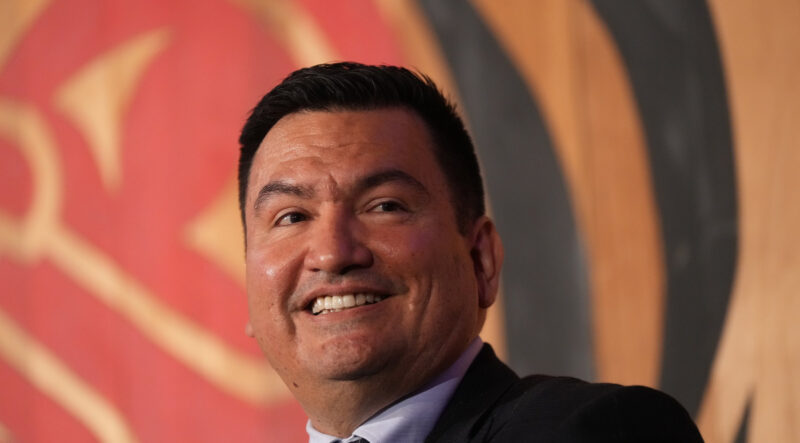
“To move forward and reframe that complex dynamic, and put the lens on economic reconciliation, to me, is the path forward to create mutual benefits and values that benefit all Canadians, which includes Indigenous people,” said Campbell.
For governments and industry, there is a duty to align policy, permitting, and capital flows with Indigenous-led priorities. Beyond benefits agreements, reconciliation requires listening both early and attentively, and ensuring cooperation every step of the way.
The Bank of Canada itself has noted that “tremendous untapped potential exists”, but only when private firms and public agencies commit to economic reconciliation.
Listening also means resisting the temptation to cast Indigenous peoples as either monolithic supporters or opponents of development. Figures like Ellis Ross, former Chief Councillor of the Haisla, and his successor Crystal Smith have challenged these narratives, pointing instead to Haisla and neighbouring Nations’ experience with real jobs, careers, and community services tied to LNG and related infrastructure.
The Haisla message is straightforward: the path to revitalized language and culture runs through sustained opportunity and self-determination.
Truth and Reconciliation Day is a reminder that the past matters, and this is evident in the inequities of the present and in the possibilities now being realized by Nations that are reclaiming jurisdiction and building enterprises on their own terms.
Our task is to ensure public policy and corporate practice do not get in the way. On September 30, we remember, and then on October 1 and every day after, we have work to do.
Photo credit to THE CANADIAN PRESS/Spencer Colby.