Despite global concern about climate change, the most in-demand commodities remain energy in all its forms, critical minerals, grains, meat, and bulk fertilisers, a basket of products that should make Canada prosperous and secure.
Sixty years of North American trade are unravelling, just as the NATO Alliance has been threatened from the outside and weakened from within, leaving Canada in a precarious position.
That list of products and their quantities offers Canada a path forward if we act with calculated purpose. There will be a temptation to choose quick, easy solutions.
While many of these commodities are present across Canada, the bulk of the most strategic ones are in the West. This sets the stage for the Western provinces to emerge at the forefront of the economic changes Canada is trying to make.
Canada’s comparative advantage has always been rooted in natural resources. For decades, we neglected them as strategic assets. However, our competitive advantage in manufacturing and business services, Canada’s talking points, has never rested on free trade, but on managed trade.
The difficulty with manufacturing and business services is that most countries can do it. Competitive advantage comes down to labour costs, taxation, regulation, and market access. The technology and inputs can be imported and replicated, subsidies and other incentives can be offered.
On the other hand, the competitive advantage in resources is domestic politics. The question is whether a country is willing and capable of reliably producing and delivering the goods that its friends and allies need, in a pragmatic, safe, and environmentally clean manner.
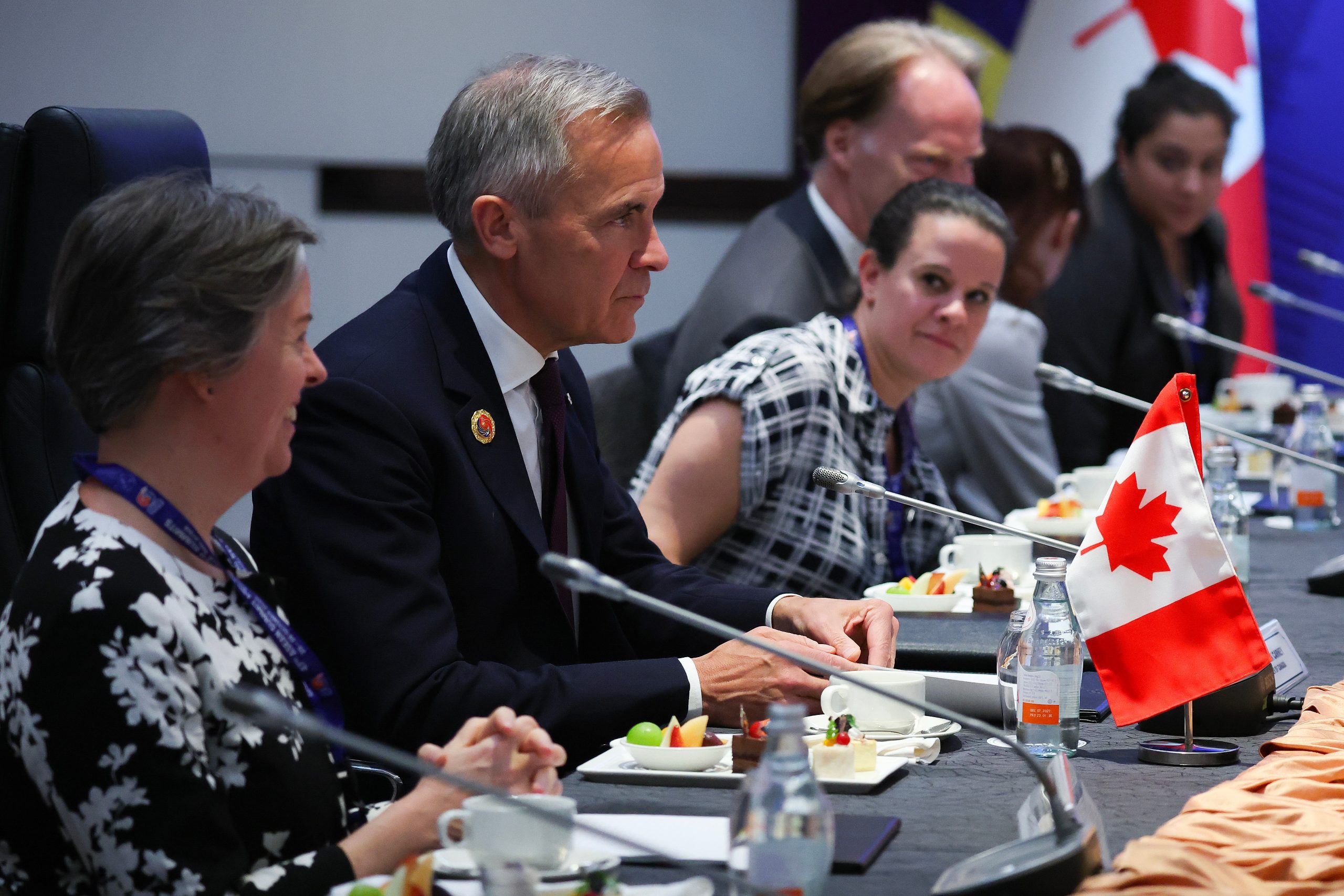
Prime Minister Carney’s campaign slogan was to make Canada a global superpower in all forms of energy and critical minerals. It generated a broad consensus among Canadians.
Canadians have given the political licence to double down on expanding the natural resource sector, with oil and gas in the West and on the East Coast being the most strategically important.
Canada is already a North American energy superpower, achieving global status is a formidable challenge.
What does a high-level risk-reward analysis look like from the street?
Canadians are generally on board with increasing oil and gas production and pipelines, as are many First Nations, Indigenous industry, and advocacy organisations. The big question is which pipeline options?
Looking at a primarily U.S. strategy, the pipeline option appears easier to relaunch. However, when we expand oil sands production, which is the goal, we would rather avoid the price discount of selling to the U.S. To accomplish that, we would need a sizeable relief valve through British Columbia to the Asia-Pacific.
Under a U.S.-first strategy, Canadian oil and gas would still reach the world, but through American ports.
Until recently, there had been some hope that oil and gas would be enough leverage to preserve a reasonable facsimile of our past trading relations with the U.S.
Now we must assume that the U.S. is counting on divisions in Canada to leave them as the only viable market for our oil and gas. This reduces any pressure on the U.S. to compromise on manufacturing.
Looking at the Asia-Pacific, approximately 11 percent of total exports go to the region, and 80 percent of those are energy, minerals, and agricultural products.
The region presents a 6.5-billion-person market at varying levels of industrialisation. It is decades away from peak fossil-fuel consumption, despite the simultaneous growth in renewable energy. When selling in the Asia-Pacific, we avoid the discounted prices we receive today.
The leverage our oil and gas provides us offers an opportunity to expand our domestic manufacturing and to create opportunities for our technology, engineering, and business expertise in the region.
A new pipeline option is not far along, though it is not stuck at the starting gate. A large amount of work was completed in the early 2000s by essentially the same likely proponents of a revised and revitalised Northern Gateway project.
There is the option to expand TMX further, but it would put much more pressure on the Salish Sea.
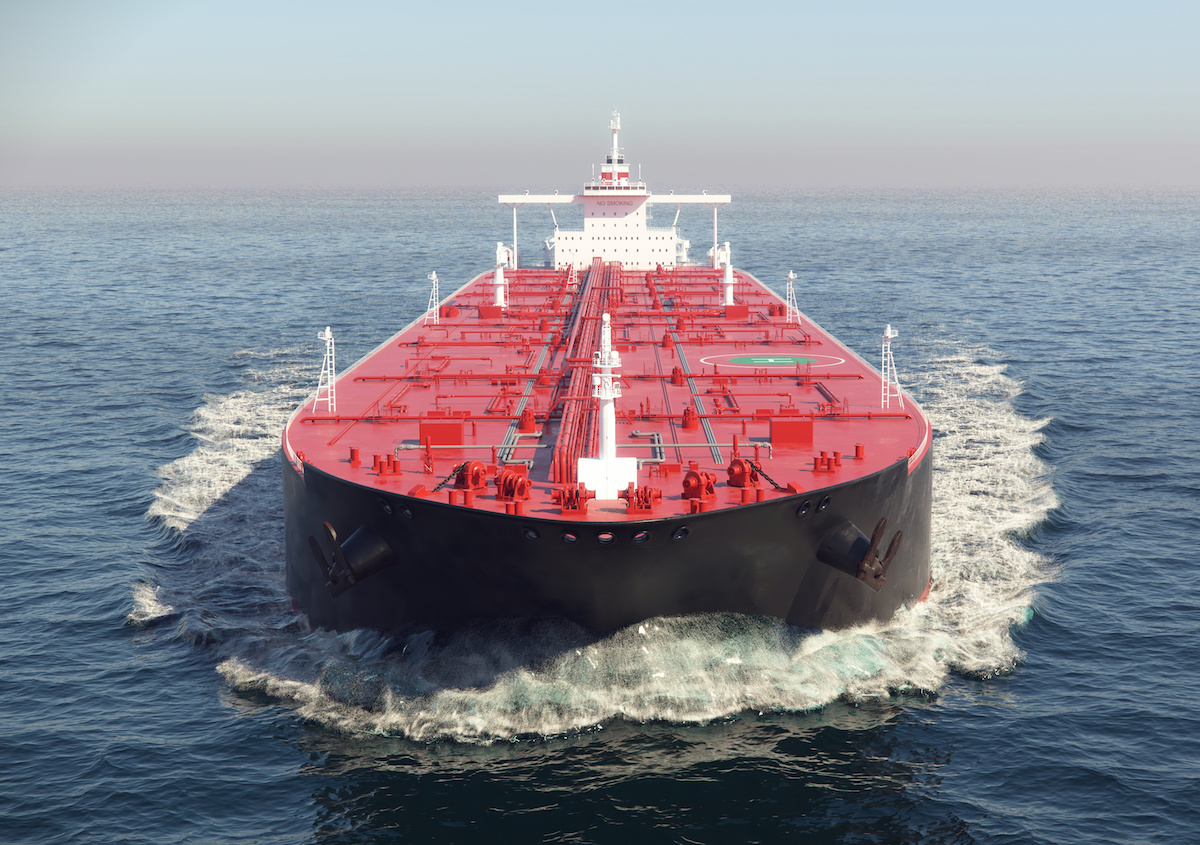
Much has changed in the years since the Northern Gateway pipeline was first approved and then cancelled for political reasons, new and more stringent safety protocols, particularly the double-hull requirement. Oil and gas are now understood as vital to the Canadian economy and have acquired diplomatic value. Significantly, most agree that net zero by 2050 is not achievable.
The most significant change is the partnerships and leadership that so many First Nations have assumed in Canada’s oil and gas industry. First Nations lead the oil and gas industry in Canada today.
Looking to Europe, Canada’s exports to the region amount to approximately 8 percent of total exports, some raw materials, oil and gas to a limited extent, and advanced manufacturing such as aerospace and pharmaceuticals. There is an opportunity around defence and security spending increases.
Canada faces obstacles to significantly boosting trade with the EU and the UK. However, increased oil and gas production on the East Coast presents an opportunity.
Being an advanced market engaged in reshoring, the EU and the UK offer only marginal opportunities for Canadian export growth.
What is the street-level conclusion of this analysis, based on broadly known facts and circumstances?
- In the US and the Asia-Pacific, the combination of oil and gas provides Canada with maximum political, trade and security leverage. But, declining in the US.
- Expanding trade with the EU/UK is strategically essential for security and defence. On a global scale, the market is small, and new trade would be limited to highly advanced manufacturing.
- No expansion of oil production is the worst-case scenario.
- Marginally increasing TMX capacity, while substantially increasing exports to the US, would reinforce our reliance on the US, without a guarantee of new manufacturing prospects. And worse, the US would be selling our oil and gas to the world at a premium, stealing the leverage.
- A new pipeline, facing an Asia-Pacific market of 6.5 billion people with decades left in its industrialization project, provides a long-term opportunity, as demand in advanced countries will continue to decline. Our oil and gas leverage, if utilized effectively, may gain Canadian access to supply chains that would not usually be attractive to investors.
A lot to think about and little time.
Jim Rushton is a 46-year veteran of BC’s resource and transportation sectors, with experience in union representation, economic development, and terminal management.
Photo credit to the CANADIAN PRESS and Fazry Ismail/Pool Photo via AP.