Federal move to buy oil pipeline reflects global trend

A report from the International Energy Agency suggests that Canada's $4.5 billion Trans Mountain purchase may be more typical than critics of the deal have maintained.

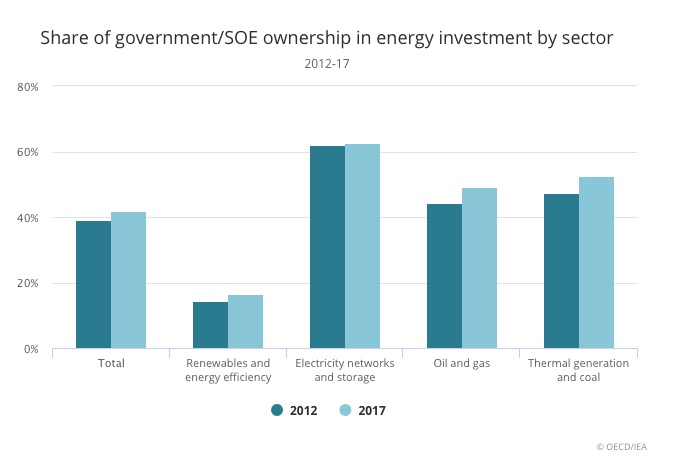
State-backed investments are accounting for a rising share of global energy investment, as state-owned enterprises have remained more resilient in oil and gas and thermal power compared with the private sector, according to the World Energy Investment 2018 report from the IEA:
When Canadian finance minister Bill Morneau announced the Trans Mountain deal in May, he said the project is in the national interest, and proceeding with it will preserve jobs, reassure investors and get resources to world markets.

The share of global energy investment driven by state-owned enterprises increased over the past five years to over 40 percent in 2017. Public sources, such as state-owned enterprises (SOEs), accounted for 42% of the capital invested in energy projects in 2017, flat from 2016. 
Download the IEA report here.

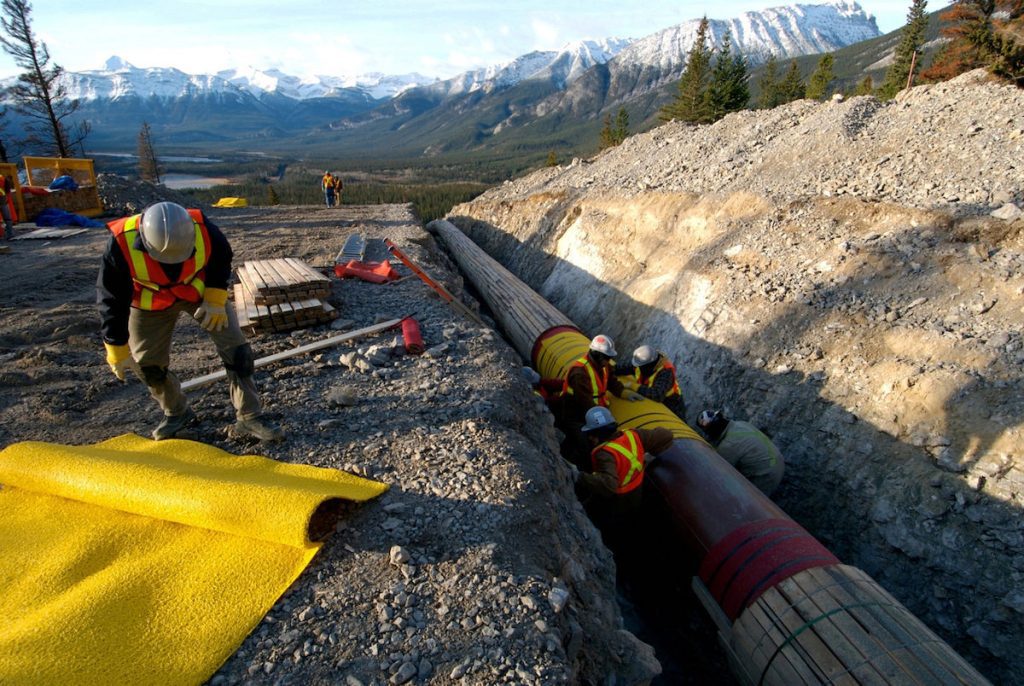
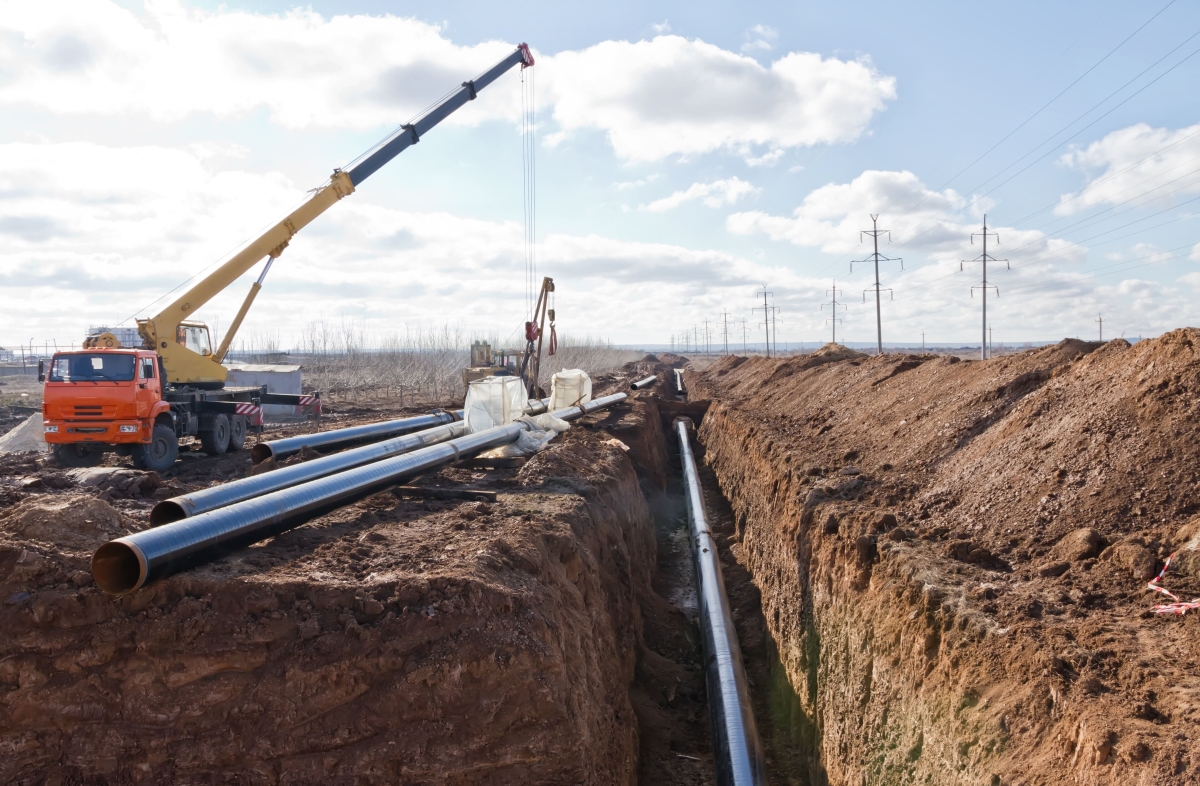
Workers construct the Anchor Loop section of Kinder Morgan’s Trans Mountain pipeline expansion in Jasper National Park in a 2009 file photo. Kinder Morgan Canada/Handout/File Photo via REUTERS
Get the latest news with the Resource Works newsletter.

Shaping the Peace: Balancing Energy, Environment, and Equity in Northeast BC's Peace River Region

Help Us Get Things Done

Related News

MYTH BUSTERS: Why building the bridge to our energy future is not as easy as it might appear

In part 2 of the Myth Busters series, we look at some of the challenges facing those committed to cleaner ways to power society

How resources continue to make B.C. a beacon of responsible prosperity

Stewart Muir looks at how it is that British Columbia remains so strongly identified with natural resources.

Rail strike reveals vulnerabilities of our infrastructure network

Losses from the rail blockades of 2020 and the Vancouver port strike of 2023 show the vulnerability of our rail networks.