What started as a coalition of northern British Columbia First Nations is blossoming into a group with national influence.
Its goal is, broadly, to ensure that indigenous Canadians have the right and the opportunity to be involved in major project on their land.
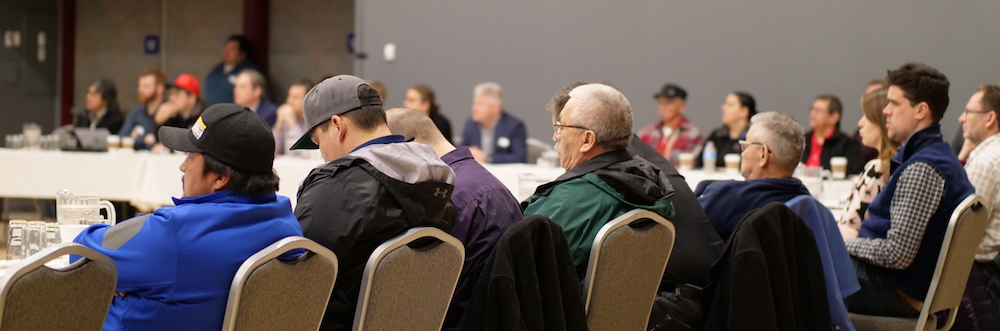
Meeting in Prince George on March 26, the First Nations Major Projects Coalition (FNMPC) attracted indigenous leaders from around the province and east of the Rockies to learn about a model that is based on overcoming a multitude of frustrations on the part of both First Nations and industry.
Joining the First Nations were a number of companies and project representatives in natural resource fields interested in developing projects sited on, or crossing over, indigenous territories. Forestry, clean energy, and oil & gas were among the industries represented.
In this brief video by Resource Works, FNMPC’s executive director and chair share their perspectives on the meaning of the group’s work.
Adoption of the United Nations Declaration on the Rights of Indigenous Peoples might initially seem disruptive and confusing. The FNMPC’s perspective brings a fluid and practical approach to implementing ideas that are increasingly seen as necessary to the success of any major project on indigenous traditional territory.