Such a high level of awareness and concern is the result of the ongoing efforts of environmental organizations, academics, politicians, and others to shed light on the issue. Unfortunately, this effort that has fallen short in terms of reducing our carbon emissions.
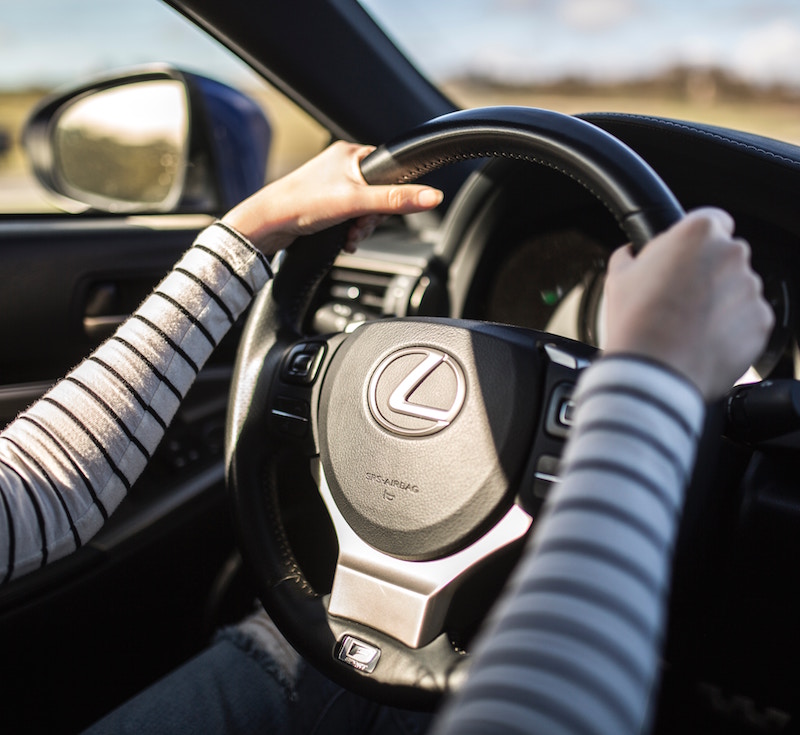
Canadians continue to buy record numbers of vehicles and instead of purchasing electric, hybrids, or compact cars, they’re buying gas-guzzling trucks and SUVs. More concerning is the fact that three-quarters of Canadians drive to work each day by themselves – something that we witness daily here in British Columbia.
The consequence of this behaviour is that in the 5-year period ending in 2016, the province’s gasoline consumption had risen by 1.1 billion litres to almost 6 billion litres – a 23% increase over five years. This equates to a 2.6 billion kilogram increase in British Columbia’s carbon emissions, or about 550 kilograms for each of us.
Blaming others or expecting a miracle isn’t going to solve this challenge. Nor will constraining oil production.
Instead, each of us needs to embrace a sense of urgency and take personal responsibility for our actions. If every person, every household, every business owner assumes ownership of this issue and actively looks for innovative ways to reduce their carbon footprints, then, and only then, will British Columbians become global leaders in combatting climate change? We do a good job of talking the talk – now let’s try walking the walk.
References:
- Gasoline consumption https://www.statcan.gc.ca/tables-tableaux/sum-som/l01/cst01/trade37c-eng.htm
- Commuting http://www12.statcan.gc.ca/nhs-enm/2011/as-sa/99-012-x/99-012-x2011003_1-eng.cfm
- Car purchase trends http://www.autofocus.ca/news-events/canadian-car-and-truck-sales/canadians-now-buying-suvs-and-crossovers-way-more-than-cars
Photo: Andrew Worley/Unsplash