RESOURCES PRIMER: Five proof points showing how primary industries drive the economy

The world is just as dependent as ever on basic materials that need to be responsibly sourced from somewhere. This can be challenging to understand  for those who've heard the arguments that Canada is a post-resource economy. This material can help.

The first thing to know is that over time, resources have actually been a pretty steady component of the overall economy. The chart below shows British Columbia’s international merchandise exports for the two decades from 1996 to 2006. 
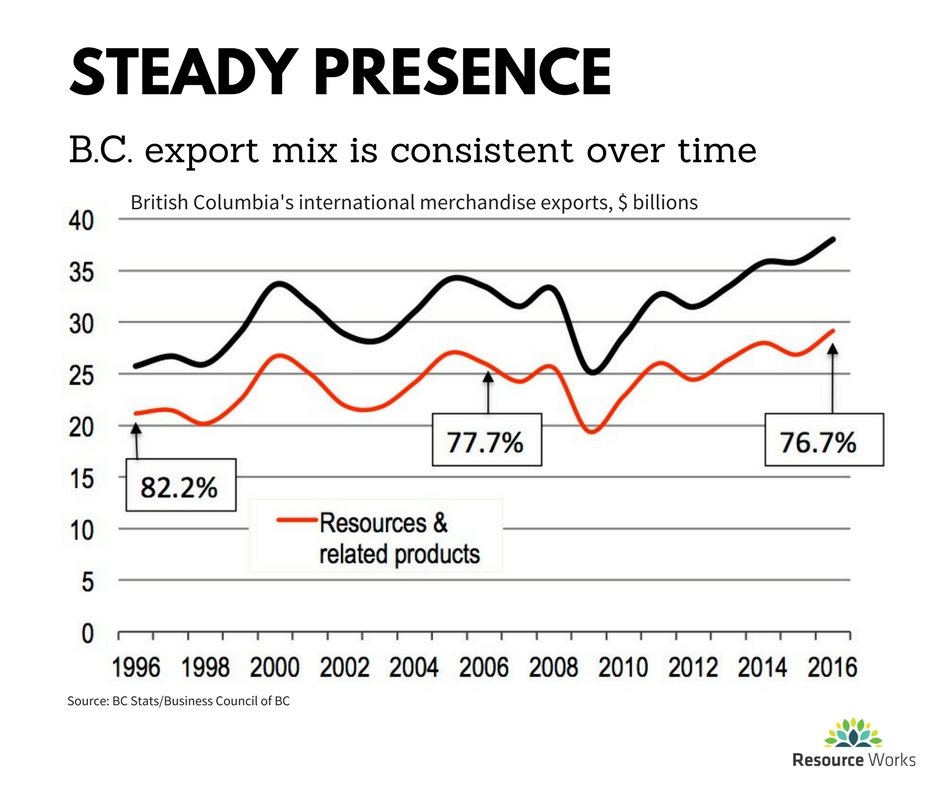
Note that overall exports grew during this time, and so did resource exports. There has been a slight decrease of the resource share, by about 5 percentage points, as the broader economy diversifies. (The chart reflects goods exports only and does not include growth in the service economy where statistics show different diversification patterns.)

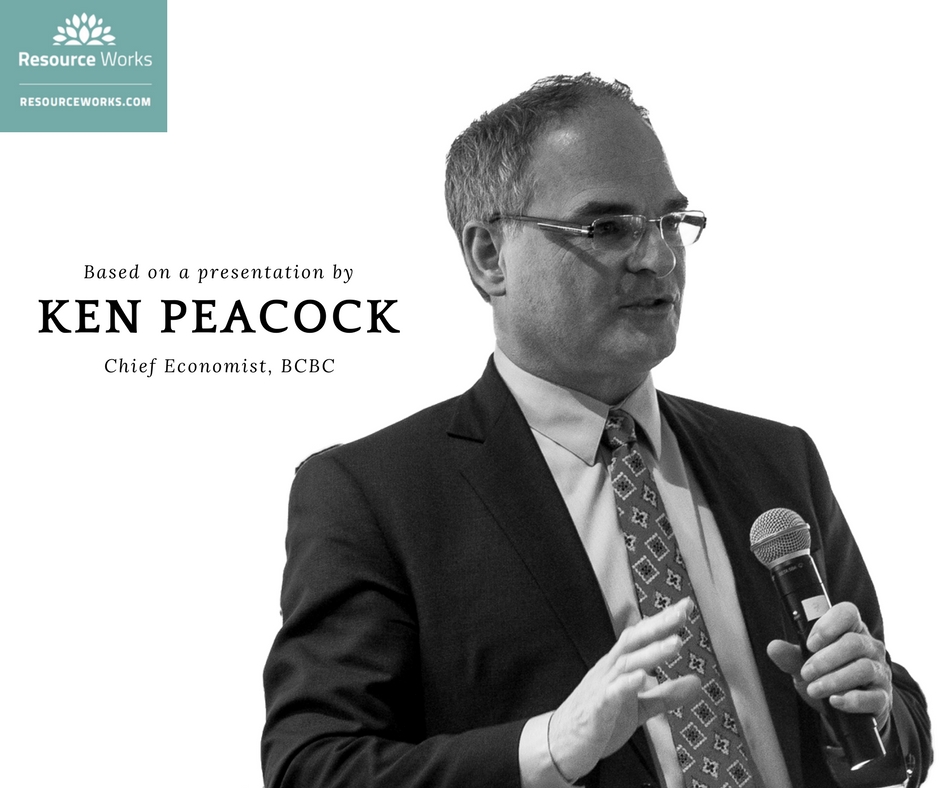
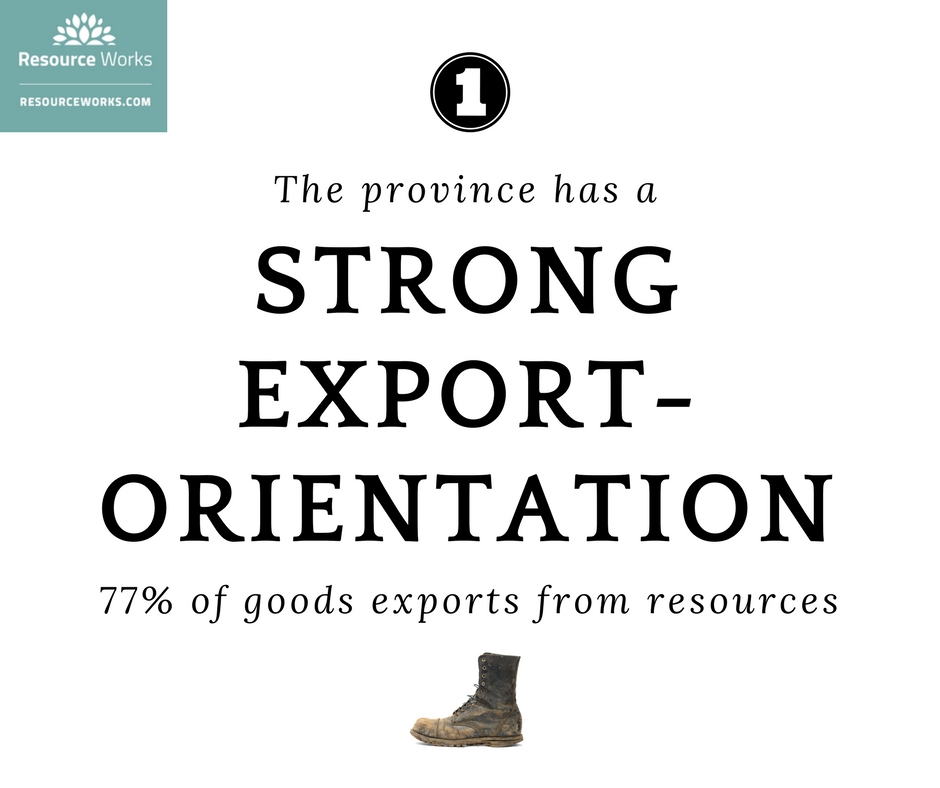
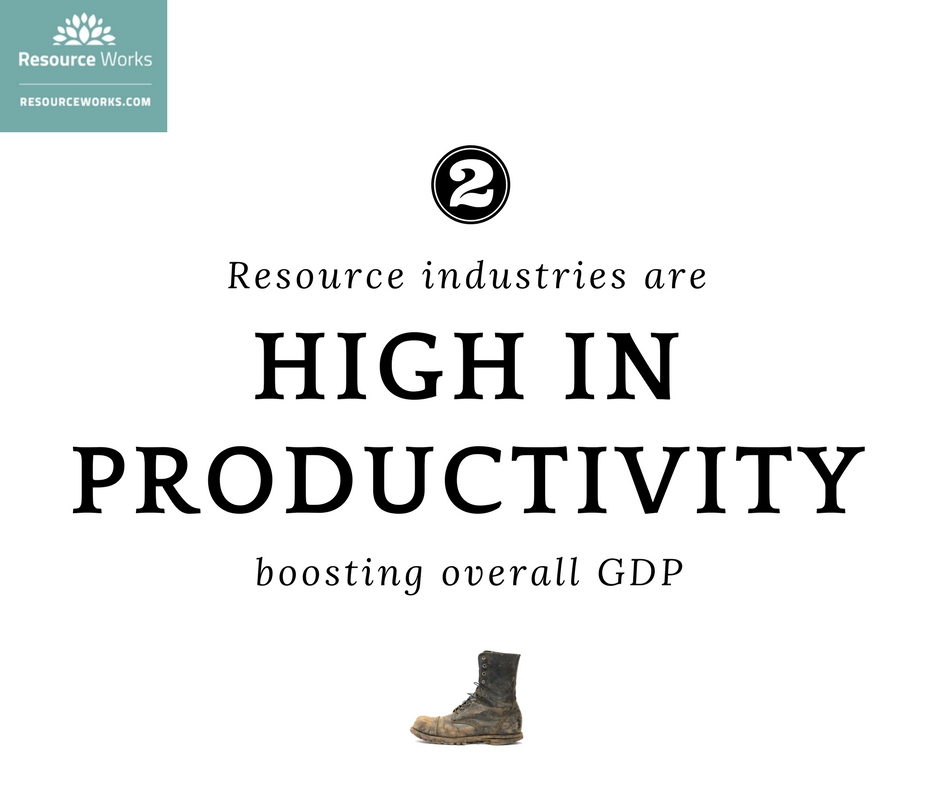
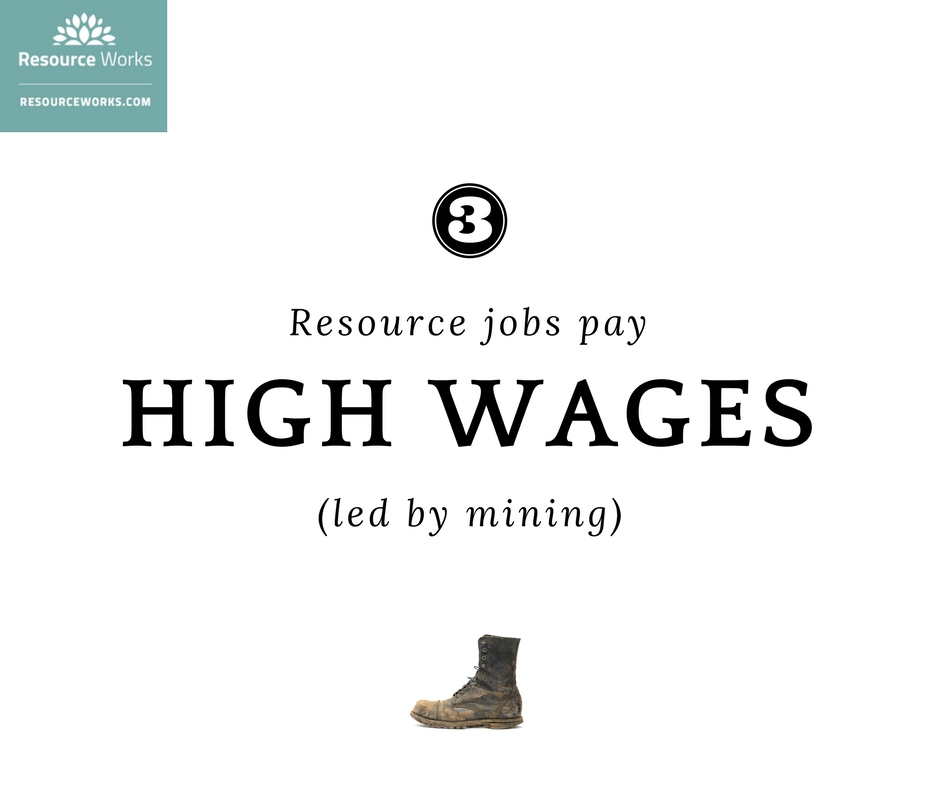
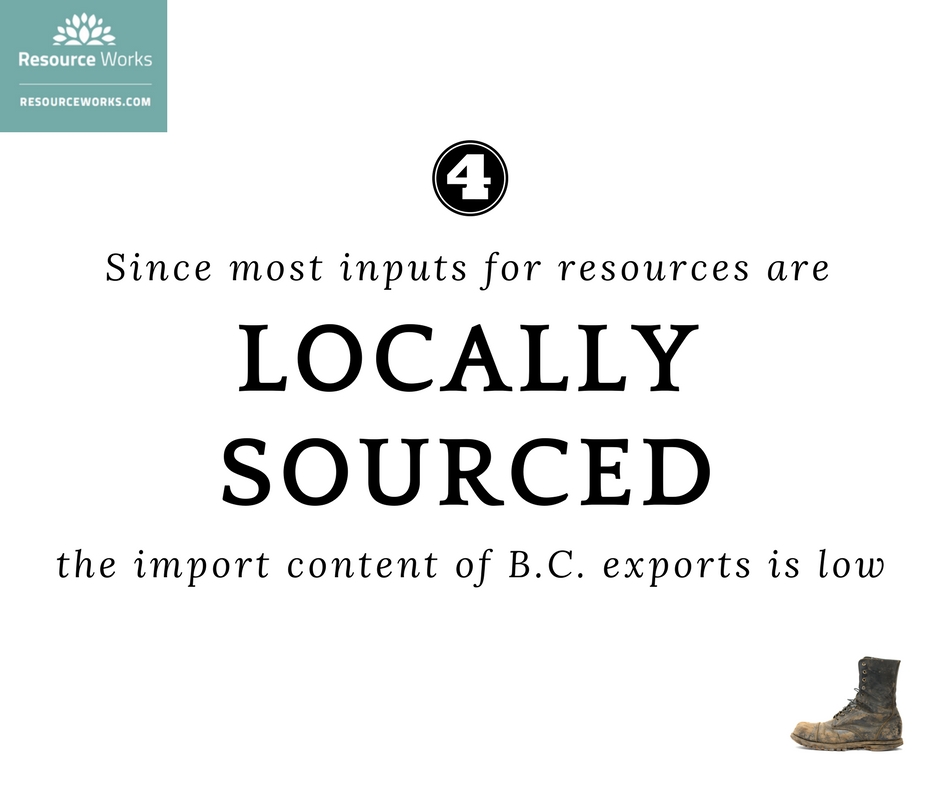
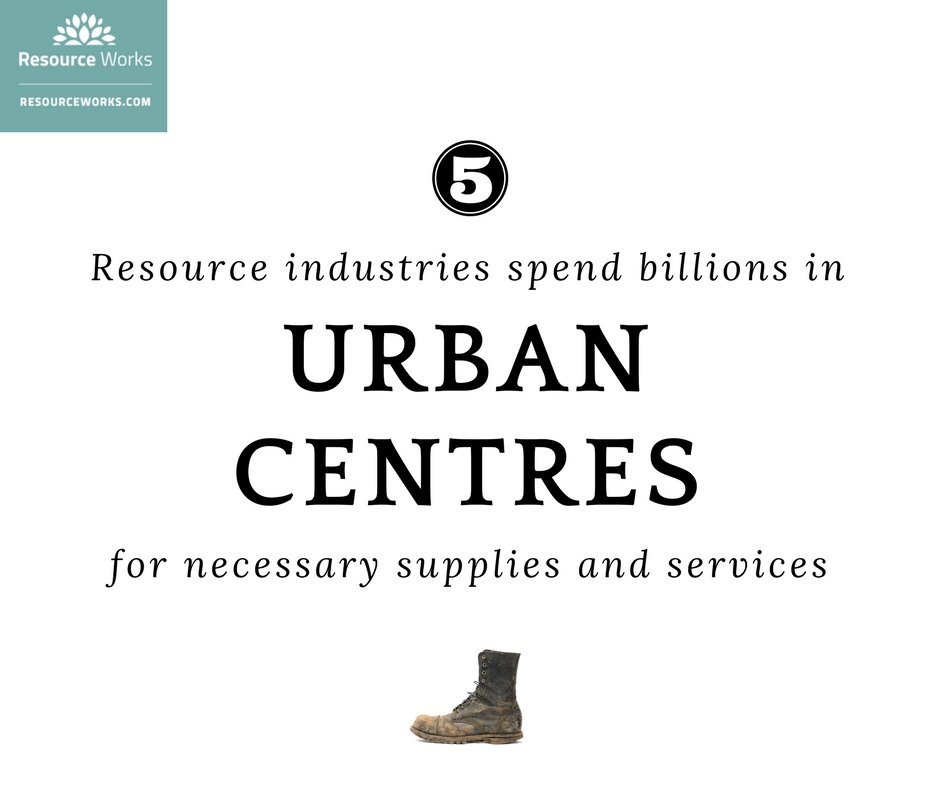
To understand the resiliency of the resource economy, check out the following slides drawn from a presentation by Ken Peacock, chief economist of the Business Council of BC, to the BC Assembly of First Nations in October 2017. 
Get the latest news with the Resource Works newsletter.

Shaping the Peace: Balancing Energy, Environment, and Equity in Northeast BC's Peace River Region

Help Us Get Things Done

Related News

Why sustainably managed forests mean green jobs

Resource Works caught up with Jessica Kaknevicius (pictured), vice president of community engagement, Sustainable Forestry Initiative and Project Learning Tree Canada, to hear about innovation

Collaborative innovation in Canada’s oil sands

WATCH: Our second instalment of the Resource Innovation Forum featured Wes Jickling, Chief Executive of Canada's Oil Sands Innovation Alliance (COSIA), for a discussion on

Mythbuster economist takes to the airwaves

Resource Works senior research fellow Philip Cross discusses the groundbreaking research related in his 7 Myths of the BC Resource Economy report on the Bill