It’s difficult to overestimate the complexity of the human brain and the way it drives our social relations. Check out this chart depicting all the cognitive biases that may lurk beneath every encounter we have with fellow citizens. (Visual Capitalist has more background.)

For those working to improve their communities, whether that means building an LNG plant or proposing a neighbourhood halfway house, a new book by author Adam Kahane offers some solutions for those who are prepared to invest the time.
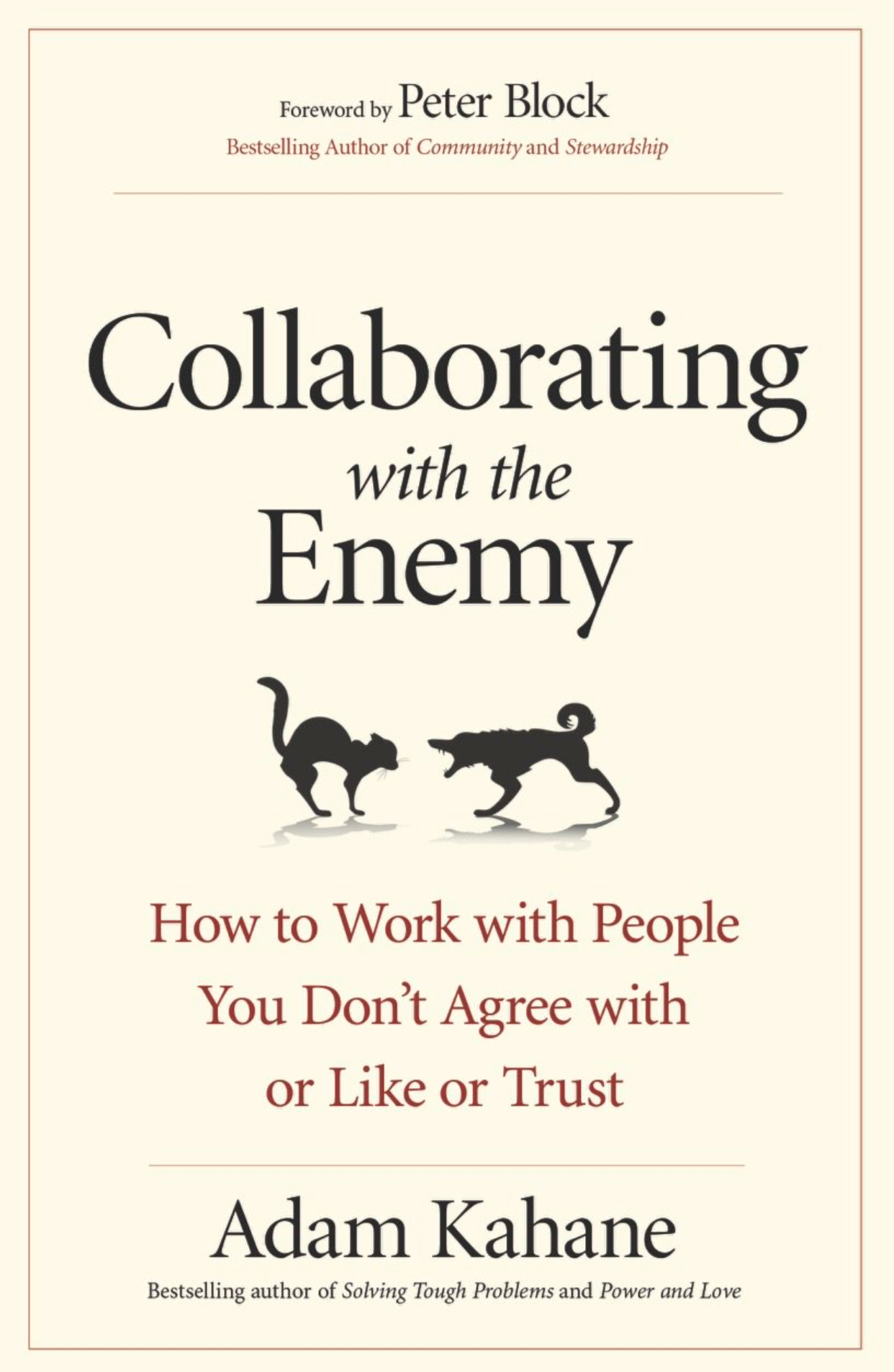
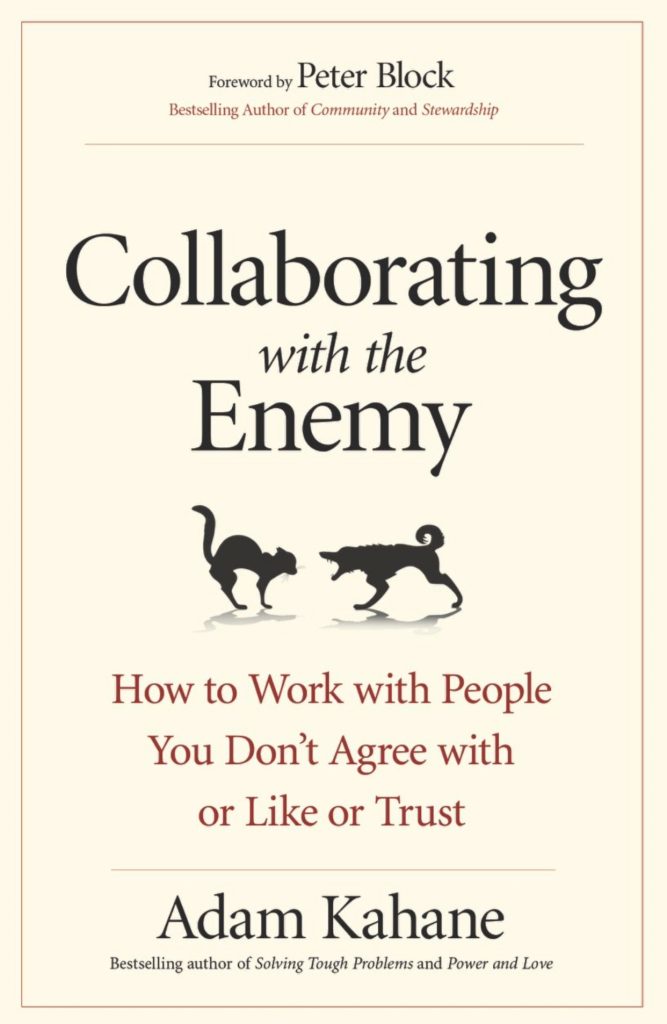
Kahane’s provocatively titled Collaborating with the Enemy: How to Work with People You Don’t Agree with or Like or Trust questions our belief in conventions like expert knowledge and the culture of problem-solving. Instead, Kahane challenges his readers to curb our desire to have our own way at a time when social media dominates public conversations and fabrication without facts is the way to create an audience.
Kahane’s life experience includes time at Shell and working with sworn enemies in places like South Africa, Northern Ireland and Colombia.
In a recent workshop by Kahane that I attended at the School of Leadership Studies at Royal Roads University in Victoria, he mused that today, politics has infused regulatory processes and decisions that were designed to run as autonomous machines. The result is an increasingly disputatious public conversation about the goals and processes of regulation. One challenge he threw out was how to become a spectator to a situation, inviting others to become co-creators with us to the solutions needed.
The conventional models of collaboration, focusing on agreement, certainty, and control, are obsolete today. To make a real impact, leaders cannot just preach to the choir. We must learn to work effectively with people we don’t necessarily agree with, may not like, and often don’t trust.
In his book, Kahane calls for us to stretch ourselves to overcome limitations: embrace conflict, adopt a “presencing” rather than debating style, and be willing to change ourselves, not just others.
Can that be realistically accomplished? Judging by the many positive reviews Collaborating with the Enemy has received, a lot of people are hoping so. Writes one reviewer: “If we are to solve the great challenges of our time, we must learn how to collaborate with those we believe to be our enemies. Adam shows us a way to do so.”