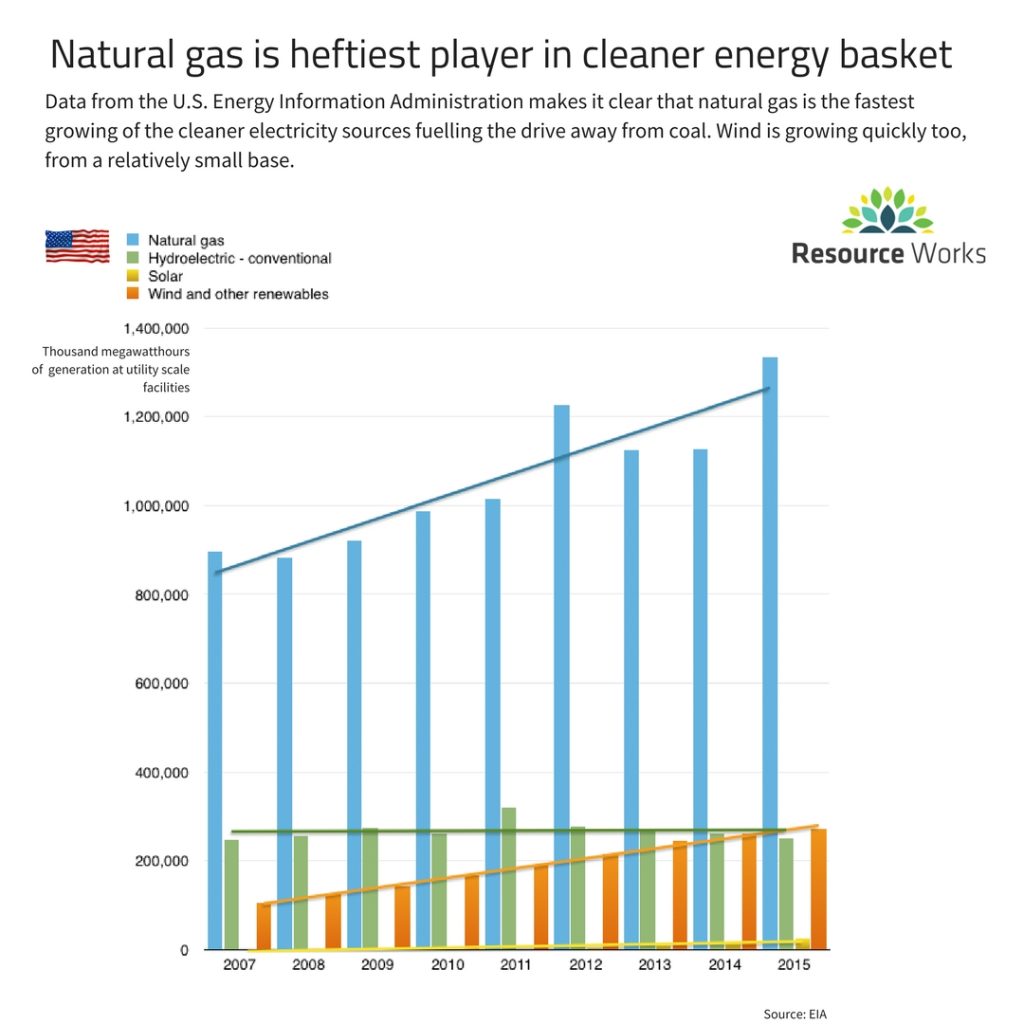

The decline of coal in U.S. electricity generation is why American greenhouse gas emissions have been trending down. Data from the Energy Information Administration make perfectly clear that natural gas replacing coal is the driving factor in this trend.
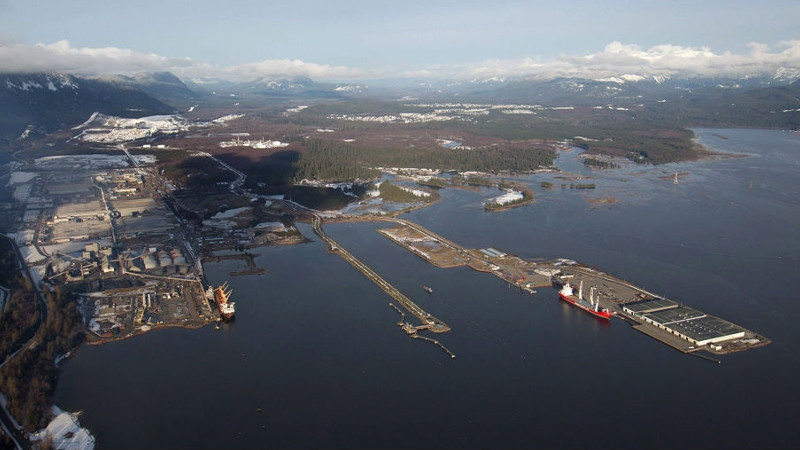
So why are Canadian activists defaming exports of high-quality Canadian natural gas on the basis that LNG is a climate pollutant? The answer to this is not clear, except that the assertion is completely incorrect.
The more Canadian natural gas that is shipped to markets in Asia, the more those jurisdictions will be able to achieve the climate gains Americans have been enjoying for years now. That is why blocking LNG exports is akin to speeding up global climate change – a foolish and reckless aim yet one pursued by a variety of organizations operating in Canada today.

To explore the data behind this trend, here are some links:
Competition between coal and natural gas
Primary energy consumption by source
The following chart illustrates another point that is often misunderstood. While alternative renewable electricity sources are desirable and growing, they have nowhere near the growth rate nor scale of natural gas. So in the short term, it is easy to see why those who are seeking to take realistic steps toward improved climate performance are investing in natural gas and LNG.