It’s true: our planet’s climate is changing and human are the central instigators. Though even as the reality of carbon emission strikes home, we must be careful that our understanding of the state of energy transition doesn’t become mired in conflicting agendas with contrasting narratives about the path to an effective shift into clean tech.
The simple reality is that we subsist on energy produced by carbon emission and goods built on mineral extraction. Think it ends with renewables? Not a chance.
To serve as a viable alternative to fossil fuels, already a major task for the brightest innovators we’ve got, green technologies depend on mineral development, as well as global production and supply chains that are almost entirely driven by petroleum products.
A Tesla car battery or a solar panel doesn’t just come into existence and begin creating limitless energy. Before ingenious technologies built to harness the sun’s power or that of the wind can come online and begin feeding into a power grid, the raw materials that make them must be sourced and transported. Mining is the first step. A solar panel is just one good example of the complexity of high tech manufacturing.
Once minerals like neodymium (a rare earth metal used to make magnets in wind turbine) or quartz (the most common ingredient in the panel part of a solar panel) are sourced, they go to refining to render them suitable for industrial application.
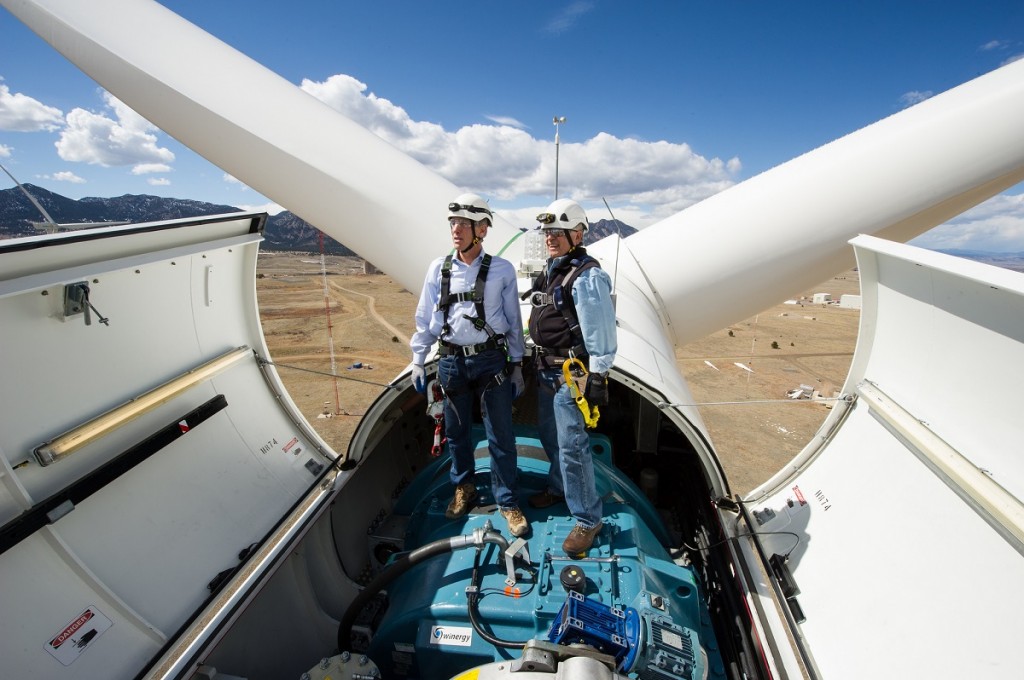
An 80 feet tall wind turbine typically carries 19,000 lbs of steel in the tower itself. Steelmaking, in case you didn’t know, requires coal both as an energy source and as a source of carbon, which when combined with iron is used to create steel. Based on the steel industry’s global annual figures, the total coal used in making steel is about half the weight of the total steel output.
Next these materials must be assembled, often in many places cumulatively. By the time a typical wind turbine starts moving, its parts will have traversed thousands of kilometers.
Here’s the point to take with you: “fossil fuel-free” favourites like wind, solar, or even hydro rely on extracted natural resources. With enough research and development, the methods of manufacturing them will continuously become more efficient and we may reach an entirely zero emissions lifestyle. Until that point comes, mining and fuel extraction remain essential activities to not just our daily lives, but also to our best hopes for a shift to renewable energy production.