
The bitter fights these conditions produce are not good for BC. As opposing camps get more entrenched, facts seem to matter less and less, moderate voices get drowned out, and concepts such as trade-offs, compromise, common ground and public interest get forgotten.
But it doesn’t have to be this way. We can find ways to reach sensible decisions that don’t compromise our economic well-being or our principles. But we do need to make changes. This series examines some of the key causes of our dysfunctional resource debate and suggests a few things we can do to turn things around.
Part 1: A Loss of Trust

British Columbians are struggling mightily about what to do with natural-resource projects.
The province has significant opportunities to sell natural gas, coal, and oil to Asian customers. But the associated pipelines, tanker ships, and coal trains have attracted vehement public objection.
Part 2: It’s Our Institutions Stupid

Earlier this spring, Brian Lee Crowley (the head of the Macdonald-Laurier Institute, an Ottawa-based think tank) published a compelling argument: Canada’s resource wealth lies not in the resources themselves (there are less wealthy countries with more of the stuff we that we have) but in the strength of our systems.
Part 3: Action, Not Marketing

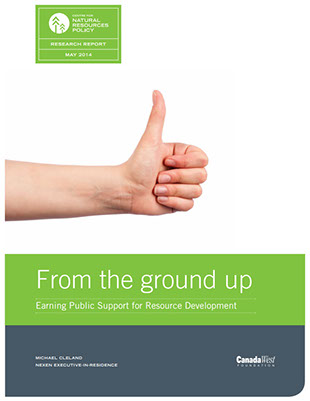
The Calgary-based think tank Canada West Foundation recently released a report examining the resource sector’s challenges with public opposition and what it should do about it. Among its strongest recommendations is that resource companies need to focus on delivering exceptional performance in the communities they operate. Putting out glitzy ads won’t cut it.
Part 4: The Elephant in the Room

Why would this business-friendly think tank based in Canada’s energy capital feel the need to bring up a touchy subject like climate change? “It is because our reputation is hurting us,” the author explains in the report. “It is especially hurting our ability to address perceptions in key markets and generate support for many resource projects.”