
Those debates are a healthy part of socially responsible resource development, but we need to make sure that our discussions are guided by factual information that represent a true balance of risks and benefits.
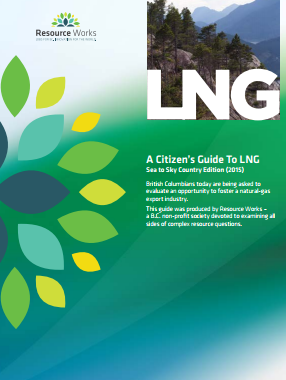
With that in mind, Resource Works is presenting A Citizen’s Guide to LNG, a thorough resource for any British Columbian looking to navigate the ongoing conversation about BC’s biggest emerging economic opportunity.
Economic realities
Plans for a BC LNG industry are based on a few key economic realities: BC has ample natural gas to spare, it cannot get full value of this gas by selling to only one customer as it does now, and there are millions of people in Asia who would benefit from accessing this important resource.
Fortunately, there are proven technologies for getting BC gas supplies to Asian shores: Cool the gas down until it becomes a liquid and transport it by ship.
This opportunity is relevant to a second economic reality. As costs for major public services such as health care go up, BC needs avenues for economic growth – or British Columbians will face higher taxes or lower levels of service.
If we collectively say “no” to economic development opportunities such as LNG, we must understand that there will be consequences. If resource royalties are not available to pay for future ferry services or teachers’ salaries, the onus to pay for these benefits will inevitably fall on taxpayers.
A resource ready to move
Fortunately, there is plenty of evidence to suggest that LNG can be shipped safely off BC’s coast. Natural gas is used in about 60 percent of BC homes, it has been safely used in BC since the 1930s and gas extraction through hydraulic fracturing has been performed safely in BC for half a century. Additionally, natural gas is one of the cleanest burning fuels we have.
The upcoming Citizen’s Guide to LNG is designed to help British Columbians better understand issues like these that underlie a public debate around LNG development, including:
– The economics of LNG
– Community impacts
– Safety
– Environmental protection
– First Nations involvement
– Government accountability
– Jobs and revenue
We hope that this guide helps British Columbians become better engaged in a compelling discussion on BC’s most important new economic opportunity.
Stewart Muir is the Executive Director for Resource Works.