
If LNG projects do go ahead, with investment decisions in late 2014 or 2015, First Nations say there’s a potential to ink deals for as much as $600 million for each pipeline project.
First Nations also want to share in revenues from a so-called provincial prosperity fund, expected to reach $100 billion in the next three decades.
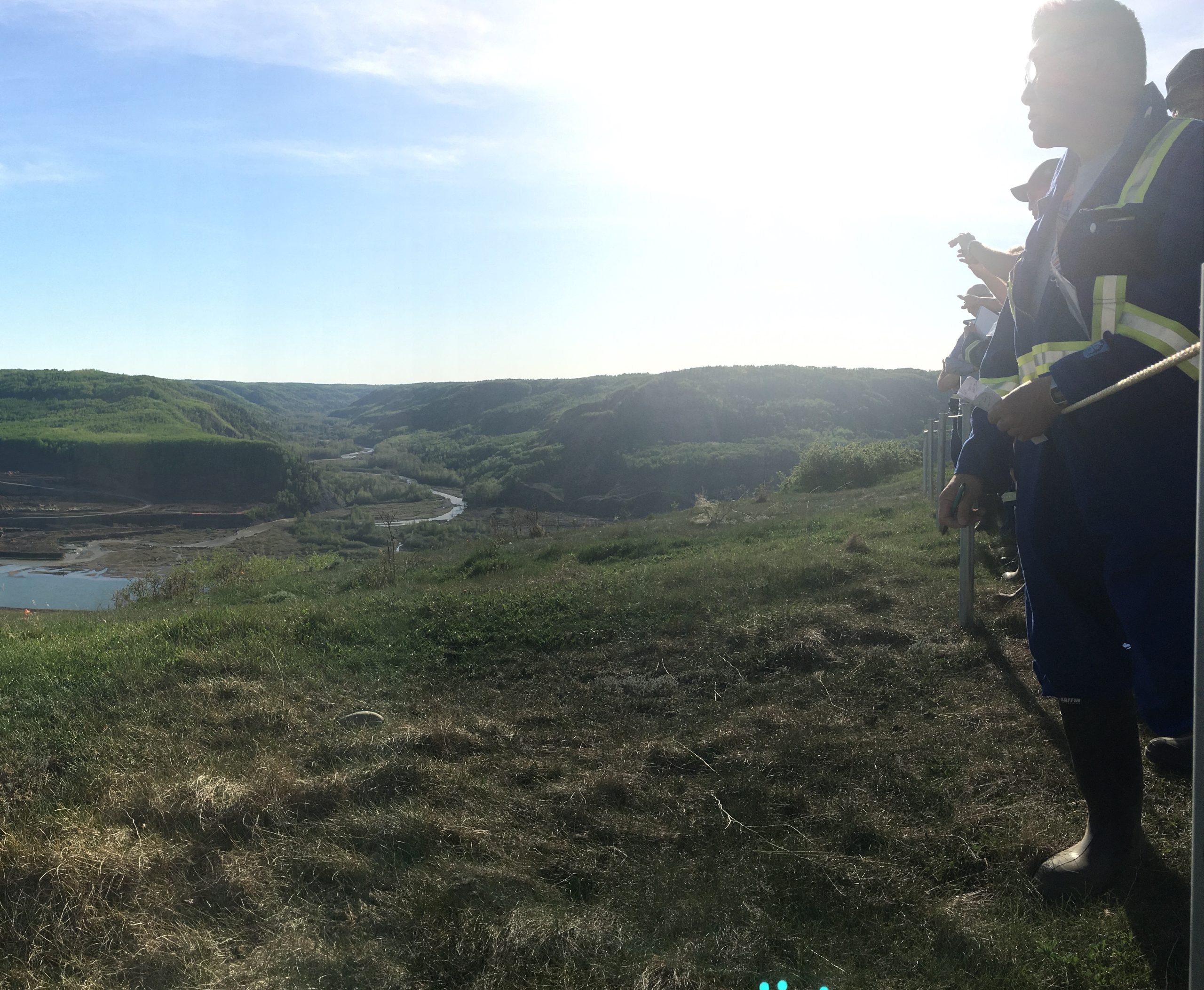
But dozens of First Nations stretching from northeastern BC, where the gas will be drilled, to the northwest coast, where the plants will be built, want their environmental concerns addressed.
That has to happen before they will provide consent on numerous proposals in their vast traditional territories in the province.
“Our first benchmark is the environment. We are not opposed to industry, but we really don’t like it when industry doesn’t do things as well as they possibly can,” says Coastal First Nations executive director Art Sterritt.
While Sterritt says industry appears to be listening to First Nations, it’s imperative that both industry and government drive down greenhouse gas and other emissions from their proposed plants.

If projects do go ahead, with investment decisions in late 2014 or 2015, First Nations say there’s a potential to ink deals for as much as $600 million for each pipeline project.
First Nations also want to share in revenues from a so-called provincial prosperity fund, expected to reach $100 billion in the next three decades.
But dozens of First Nations stretching from northeastern B.C., where the gas will be drilled, to the northwest coast, where the plants will be built, want their environmental concerns addressed.