Canada teeters on the edge, battered by a trade war and Trump’s tariff threats from its once-steady southern ally, yet held back by its own indecision. Trump’s 25 percent tariffs have exposed a brutal truth: Canada’s economy, especially its oil exports, is nearly 100 percent dependent on the U.S.
Voices are crying out to lament the regulatory chaos, ideological zeal, and whispers of “peak oil” that stall progress. If Canada won’t build pipelines when its sovereignty and prosperity are at stake, will it ever? The economics are clear, peak oil is a myth, and the only barriers are self-imposed: dogma, tangled rules, and bad thinking.
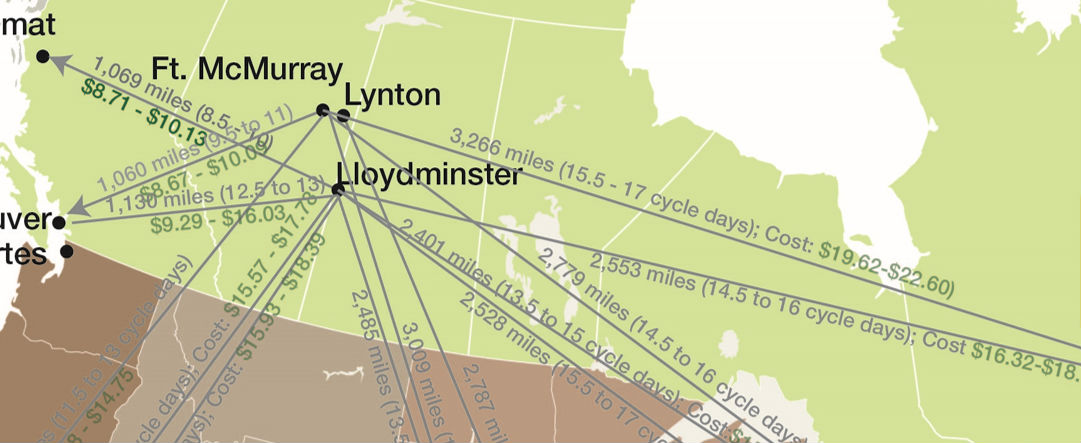
The infrastructure Canada can command is immense. Four million barrels of crude flow to the U.S. daily, and Trump’s threats have made that number look even bigger.
The Trans Mountain Expansion (TMX) is proof—linking Alberta to Asia’s markets, with royalties already filling public coffers.
But it’s a lone success. Energy East and Northern Gateway are buried, killed by delays and poor decisions. Private capital is gun-shy, scarred by TMX’s $34 billion price tag, ballooned by a broken system. Why risk billions when the path is a minefield?
The stakes are higher than ever. Forget the claim that oil demand peaks this year at 102 million barrels daily. Experts see a different horizon: Goldman Sachs predicts growth to 2034, OPEC to 2050, BP to 2035—some forecasts topping 80 million barrels.
Enbridge’s Greg Ebel sees “well north” of 100 million by mid-century, driven by Asia’s demand and the developing world’s hunger for energy. Peak oil is a ghost story, not a reality. Canada sits on the third-largest reserves in the world and could dominate the global market, not just feed one neighbour. Pipelines to every coast—east, west, and north—would unlock that future and secure riches for decades.
So what’s holding us back? Ideology, for starters.
Environmental lobbying and influence wrap resource projects in suffocating red tape—emissions caps and endless assessments that kill progress. Years of environmental studies and “net zero” hurdles that no pipeline can clear are choking off bold ideas.
Quebec’s stance has softened under Trump’s pressure, but problematic ideals still linger that blind leaders to reality. The regulatory mess makes it worse.
Today’s system demands a $1 billion bet upfront—engineering, consultations—before a shovel hits the dirt. Companies like TC Energy have been burned before, and others won’t play unless there’s reform. TMX worked because it was a government rescue, but its cost is a deterrent to others.
Then there’s the mess of bad ideas. Government officials will talk about pipelines one day and then express doubts about them the next, leaving a void of leadership. Former prime minister Jean Chrétien very strongly backed a West-East pipeline at the Liberal Party leadership convention.
New leader Mark Carney supports energy links but will not name pipelines, even though public support for them has surged. Four out of five Canadians back coast-to-coast pipelines—but leaders continue to waver.
If not now—when we’re in a trade war and facing annexation—when? Canada’s future is about the infrastructure it controls, not the excuses it clings to. The wealth is waiting, the demand is there, and the barriers are ours to break. Ditch the dogma, fix the rules, and build. Or remain a nation forever poised to rise but never brave enough to do it.