Canadian voters will go to the polls on April 28, and Canada’s energy and natural resource development policies are under scrutiny as the country faces economic pressure, climate concerns, and US trade threats.
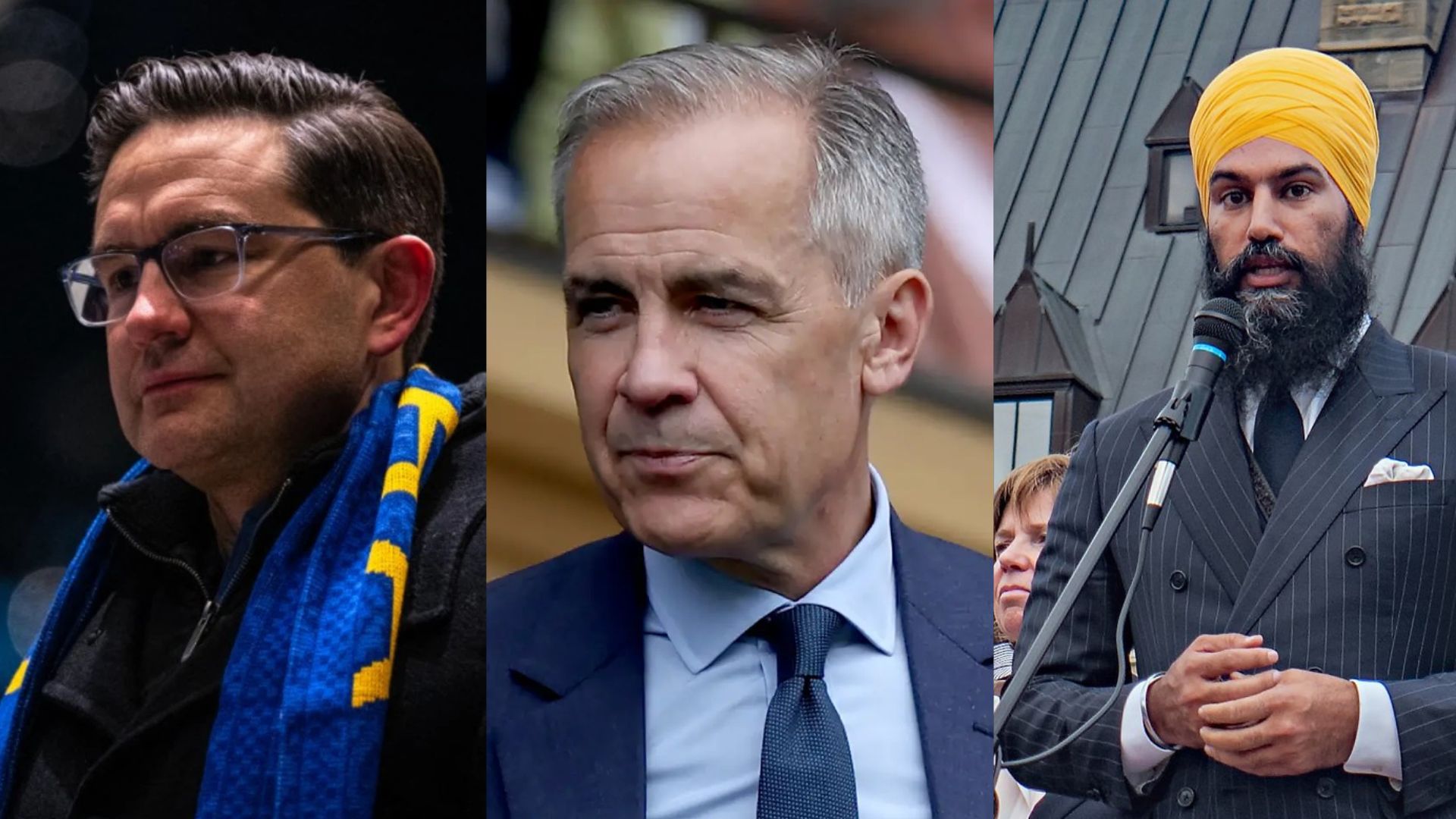
At the heart of this debate is the difference between: Mark Carney’s Liberals, Pierre Poilievre’s Conservatives, and Jagmeet Singh’s NDP. Each one has presented a different vision for how Canada should manage its resources and how they fit into the future economy.
Here we take a closer look at their positions, based on recent statements and policy proposals, and what they could mean for the future of Canada’s natural resources, especially its energy.
Mark Carney – Liberal
Rookie prime minister and Liberal leader Mark Carney has pledged to continue to balance economic growth and environmental responsibility, much the same as his predecessor Justin Trudeau.
That means clean energy will be front and centre in Carney’s vision, but not fully at the expense of traditional resource development. Carney has announced his support for an east-west energy corridor that prioritizes clean electricity, with the long-term goal of weaning Canada off fossil fuels, but including them in the short-term.
In the past, the Liberal Party’s stance on resource projects has been criticized for mixed messaging, and that has continued under Carney. At a press conference in Winnipeg, he said Canada would accept provincial environmental assessments for “clean energy projects or conventional energy projects” as long as they aligned with the national interest.
That flexibility on resource projects has been welcomed by some, but others see it as a barrier to pipeline development due to his refusal to repeal Bill C-69, also known as the Impact Assessment Act (IAA). Carney’s support for the Cedar LNG facility in Kitimat, BC, backed by $200 million in federal funding, suggests that he is indeed taking a middle-of-the-road approach.
Carney’s previous support for “keeping oil in the ground” in his book, Values, has also attracted criticism, with some warning that he may still hold these views.
Green energy is his priority, but traditional resources would still be supported by his government, under strict conditions.
Pierre Poilievre – Conservative
As the leader of the Opposition, Pierre Poilievre and his Conservatives take a very different approach. They are unabashedly pro-development and want to expand Canada’s oil and gas sector to boost the country’s economic sovereignty.
Poilievre says that, as prime minister, he would also push to create a “national energy corridor” with fast-tracked approvals for pipelines and other critical resource infrastructure. His goal would be reducing Canada’s reliance on US markets as the destination for Canadian energy amid Donald Trump’s threats of high tariffs. He’s also committed to meeting the demands of energy companies, including ending the emissions cap and industrial carbon price, both of which Carney has kept in place.
“We need to stop being stupid and start building LNG plants, pipelines, refineries, upgraders and other energy infrastructure,” he recently said in Saint John. “We can sell our energy to the world without going through the Americans.”
That approach has its fans in oil-and-gas rich regions like Alberta, and among resource advocates more generally, although green advocates are unsurprisingly worried about unchecked emissions.
Jagmeet Singh – NDP
As the third-largest party in the House of Commons, NDP leader Jagmeet Singh has fittingly offered a third way. Pushing climate action and community benefits to the top of the list, Singh has said building pipelines is not a priority for his party.
Instead, and in a similar fashion to Carney, Singh has endorsed an east-west energy corridor for clean electricity.
Regarding pipelines, Singh has declared they must be accepted by the communities through which they’re routed, adding that they also must not hurt the environment, must provide good jobs, and must meet Indigenous consultation requirements.
“We’re open to projects if they meet those criteria. The project I’m really excited about is an east-west energy grid, but we’re open to other projects as well,” Singh said last month.
When factoring in the realities of building energy infrastructure, Singh’s conditional stance would set a very high bar for new pipeline development. In the past, Singh has also criticized subsidies for oil and gas and pledged to end them if he becomes prime minister.
Three distinct choices
Voters who prioritize natural resources will certainly have options on April 28.
These three leaders’ positions reflect Canada’s broader ideological divides. Carney is seeking a middle ground, blending green innovation with selective resource support. Poilievre wants to deregulate and grow the fossil fuel industry to assert economic independence. Singh prioritizes sustainability and community welfare.
As Canada faces US tariffs and global energy demands, these positions will determine the country’s resource future. Voters have a choice: development, balance, or environmental priority.
Geoff Russ is a policy analyst with Resource Works. He formerly worked as a reporter with the Hub, and has written for a variety of publications based in Canada, the United States, and Australia. His work has covered domestic and foreign affairs related to current events, the resource industry, and international affairs, including election coverage in North America and Europe.