May is Mining Month in British Columbia, and it is the annual opportunity to shine a light on one of Canada’s most important and intriguing worlds. Our reality is changing faster than we ever expected, and mining is far more than just an industry of remote towns and distant highways.
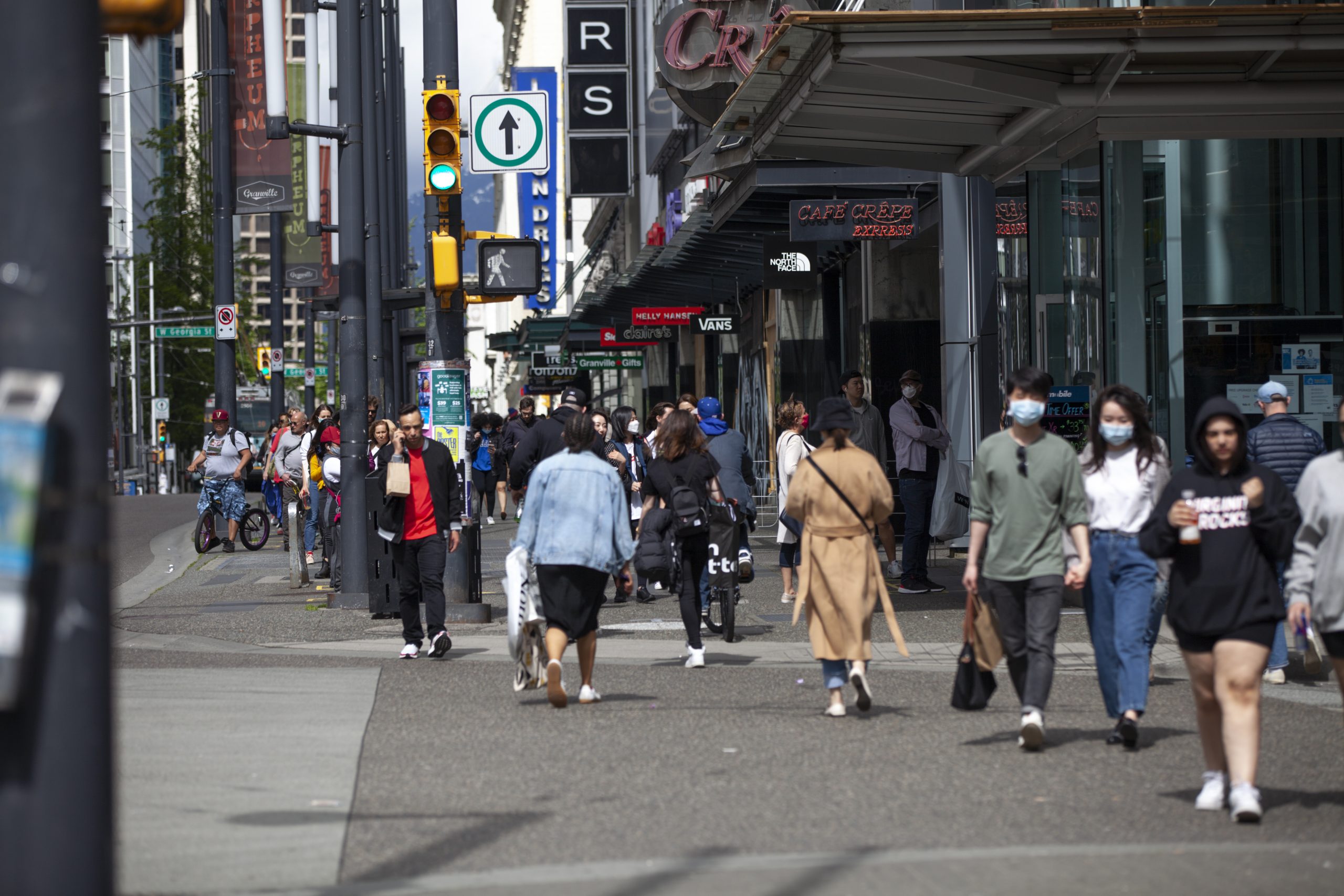
Even in Vancouver and the whole Lower Mainland, mining is part of what makes our modern urban areas what they are today.
Put aside the clichés of separating the rural and the urban or industry and the environment around us. Those who really understand BC or seek to will know this is a false cleavage.
The Port of Vancouver, the skyscrapers of Burrard and West Georgia and the business hubs within them, and the infrastructure that binds them exist in-part, or entirely, because of the work of resource towns hundreds of kilometres away.
The rural-urban connection is inseparable, and it is to our discredit and detriment that we ignore it. Mining’s story in BC is not a tale of isolation but an ongoing process of integration.
British Columbia’s prosperity is undeniably linked to mining. Just last year, $18 billion was injected into our economy while sustaining over 35,000 workers across the province. These are not numbers for a statistical report; these are the jobs that sustain families and communities, and give meaning and hope for real people and fellow British Columbians.
Too often, Vancouver is not included or is marginal when it comes to the dialogues related to mining, but the city owes much to the industry. About 1,125 businesses and other producers in the Lower Mainland take in an annual $1.4 billion from various mining companies. These include engineering firms in North Vancouver or logistical hubs in Delta.
All of these money flows create or support thousands of urban professional jobs across accounting, finance, and even the law.
Beyond mere economics, people themselves are joined with the industry. Indigenous businesses and other local partnerships are present around BC. Nearly 4,000 Indigenous-run or owned businesses are part of the mining supply chain or rely upon it for their community prosperity and fostering economic reconciliation.
These are not just paycheques. Far more than that, mining is part of the path to self-determination, lasting involvement in the economy, and growing leadership among First Nations.
This is the time for mining to grow, not stagnate or slow down. Global demand for new technologies is surging, which requires a larger flow of critical minerals, and BC has 16 of Canada’s 31 critical minerals, including molybdenum, nickel, and copper, which are crucial for electric vehicles, your cellphone, and future energy networks and systems.
The International Energy Agency is projecting that the demand for these minerals will grow sixfold in the next 15 years. Right now, 90 percent of rare earth minerals are processed in China, and BC can be Canada’s key to reducing our reliance on China and becoming a competitor in global supply chains.
Cutting out the unneeded roadblocks to achieving this future is the first step, and the first target ought to be ensuring permitting no longer takes up to a decade.
Prime Minister Mark Carney has pledged that each new project will be streamlined via “one project, one process,” and this will be an excellent breakthrough. That can be followed up with strategic infrastructure investments, particularly in building up electricity transmission and transport lines. Once completed, this will make new partnerships with Indigenous communities easier and further cement economic reconciliation as part of the provincial economy.
Mining Month 2025 will duly celebrate the industry and inform curious minds about it, but it is more than anything a call to action. It is a time to debunk myths and push for sensible and practical paths forward. Urban prosperity depends on resource development, and the growth of our economy and protecting the environment are not mutually exclusive.
It’s time we made that fact a permanent part of our consciousness as British Columbians, and Canadians.