Returning from a recent visit to Northeast BC with Stewart Muir (CEO) and Rawie Elnur
(Research Manager), I’ve been reflecting deeply on the future of a region at the heart of
Canada’s energy potential. The trip we took wasn’t merely a tour of industrial sites and
meetings; it was an opportunity to connect the dots between community resilience, economic pragmatism, and innovation.
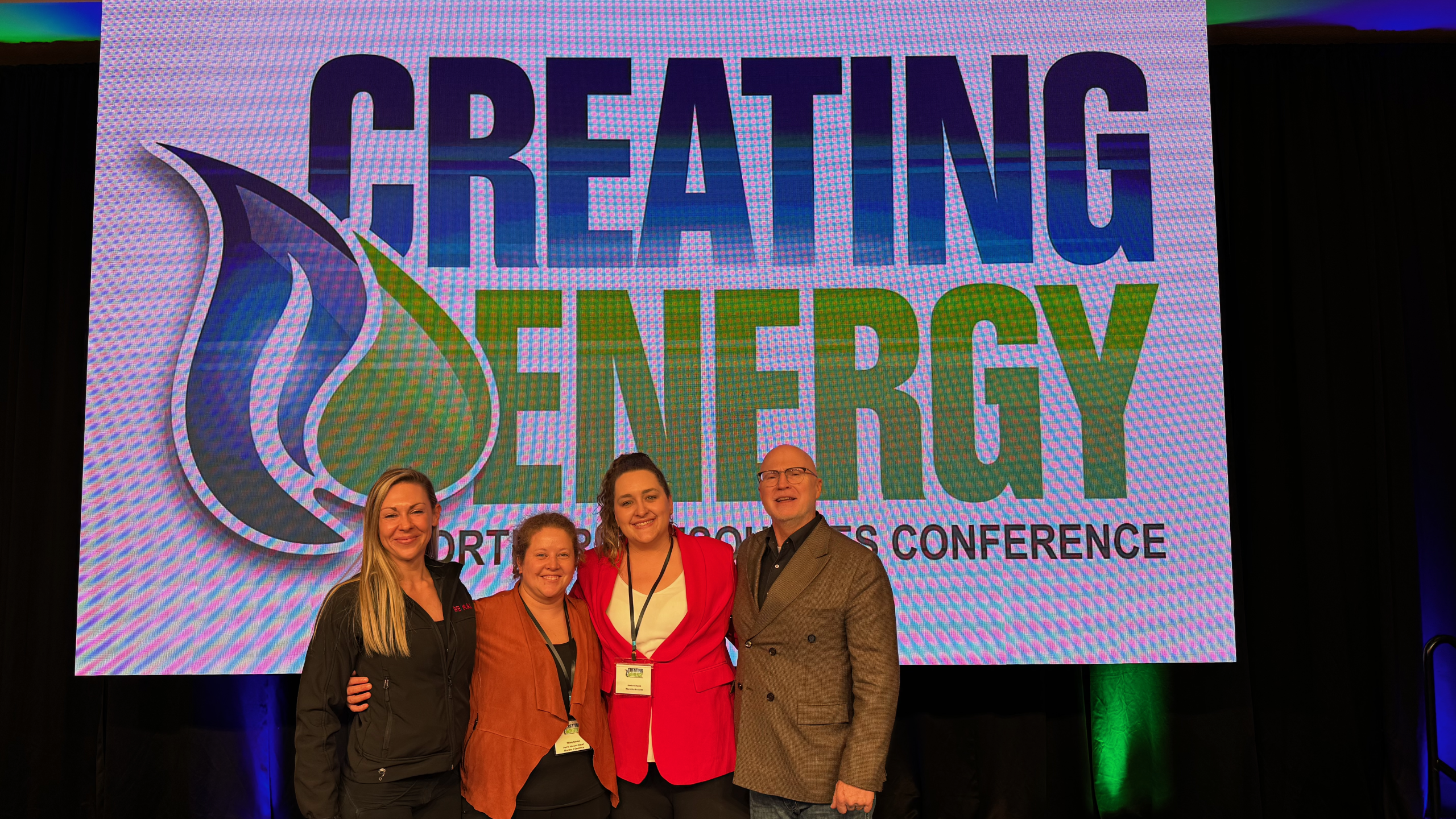
Stewart’s presentation at the Creating Energy conference, put on by the Fort St. John Chamber of Commerce on April 29th, kicked off our trip and framed our thinking: “What has felt like an energy transition has actually turned out to be an energy addition.” Northeast BC embodies this idea.
Energy production here isn’t simply fossil versus renewable: it’s an intricate dance of innovation across sectors, balancing economic vitality with environmental stewardship.

We spoke with innovators like Andrea Warren and Cyndi Bonn from Fort Nelson First Nation’s Tu-Deh Kah Geothermal project. Their vision highlights what genuinely sustainable energy looks like: community-owned, inclusive, and rooted deeply in the land. Their commitment to harnessing geothermal potential to empower local communities is profoundly inspiring. The depth of their understanding and their efforts to integrate traditional knowledge with modern energy practices provides a critical model for how communities across Canada can pursue meaningful sustainability.
Similarly, conversations with Simone Chipesia of Asiskiy Construction reinforced my belief in the transformative power of Indigenous-led infrastructure. Simone’s insights offered a clear perspective on the necessity of inclusive approaches to development. Her passion and expertise underscored the importance of local leadership in driving projects that respect the land and its people.

Inc.
Yet, the trip also underscored significant tensions. As highlighted in Stewart’s presentation, regulations intended to guide responsible development. can inadvertently lead to self-imposed gridlock. Leaders like Brian Surerus, who founded one of the province’s leading pipeline contractors, made it clear to us how crucial clear, pragmatic policies underlying major infrastructure development affect community livelihood. Escalating permitting costs don’t merely affect balance sheets; they erode community prosperity, directly impacting families across the region and BC as a whole.
The frustration from stakeholders was palpable; it is clear that regulatory streamlining must become a priority if the region is to achieve its full potential without sacrificing its communities.

Our visits to Site C and Enbridge’s Aspen Point were stark reminders of both the impressive scale of industrial development and the constant innovation being employed to keep pace with regulatory demands and environmental imperatives. At Site C, the enormity of the hydroelectric dam construction was staggering. It highlighted both the immense engineering capability of Canadian industries and the complex balancing act required to navigate environmental concerns and energy demands.

At Aspen Point, Enbridge’s commitment to pipeline integrity and innovative monitoring
technologies was clear. It demonstrates how industry is actively adapting to meet rigorous
safety and environmental standards.
Drone footage capturing the vast agricultural and industrial landscapes around Peace Canyon offered us a visual testament to the scale of operations, and what’s at stake. Seeing these areas from above provided me with a powerful perspective on the interconnectedness of the region’s economy, ecology, and communities.

Our visit to Forefront Energy offered valuable insight into the tangible ways renewable solutions are practically integrated into traditional industries. CEO Jen Simmons walked us through their off-grid solar systems tailored specifically for oil and gas operations, demonstrating how innovation can directly enhance efficiency and reduce environmental footprints. Seeing Forefront’s technology in action reinforced the importance of adaptive solutions that align economic incentives with ecological responsibility.

Additionally, our engagement with educational institutions like the Centre of Training Excellence in Oil and Gas at Northern Lights College underscored another essential facet of regional development: workforce preparedness. We spoke with faculty like William Sambrook, who teaches power engineers. There is a pressing need for targeted workforce up-skilling to ensure the region’s energy industry remains competitive and sustainable in a rapidly evolving global market.

Conversations with Mary Mytting and her colleague Shannon Stange from the Northern Innovation Network underscored the region’s growing entrepreneurial momentum and the need to close critical research and development gaps. Their insights highlighted the urgency of fostering a robust startup ecosystem, emphasizing how targeted investments and regional collaboration can significantly accelerate local innovation. These discussions reaffirmed the role strategic partnerships play in positioning Northeast BC as a hub for forward-thinking economic development.
This trip has reaffirmed my commitment to telling Northeast BC’s story—not just as a resource-rich corner of Canada, but as a vibrant hub where economic and ecological aspirations meet. Shaping this piece means engaging deeply, understanding fully, and innovating continuously.
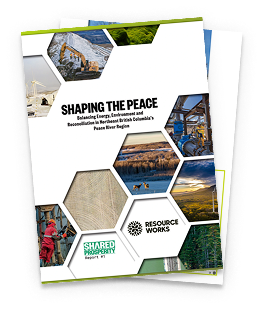
It means amplifying local voices committed to a balanced, prosperous future. I’m excited for the stories we’ll soon share with our upcoming report, authored by my colleague Rawie, spotlighting resilience and ingenuity at the heart of Canada’s energy future, and highlighting how collaborative innovation and strategic foresight can pave the way for sustainable, inclusive growth.
And beyond that, expect to see upcoming episodes of the Innovation Forum that feature interviews with a few of these exceptional individuals and teams.