Canada’s energy grid isn’t just changing—it’s being transformed by the very people who keep it running. As climate change changes the way we get energy, the stories coming from our frontlines show us a basic truth: the shift to resilient energy systems is fundamentally a human job.
The Human Side of Grid Resilience
BC Hydro engineers in British Columbia’s Columbia Basin are not only keeping an eye on water levels; they are also dealing with problems caused by drought that would have been unthinkable a generation ago. These professionals work closely with Indigenous communities to keep an eye on river flows and change their operations as needed. Their work together is more than just a technical need; it’s an acknowledgment that traditional ecological knowledge and modern engineering need to come together to create systems that can withstand anything.
The situation is similar to problems all over the country. In Quebec, utility workers have responded to record-high surges of demand caused by a heat wave with the kind of heroic urgency that keeps communities powered when the grid is under stress from extreme temperatures. These aren’t abstract policy discussions—they’re life-and-death decisions made by people who understand both their equipment and their communities.
Realities on the Frontline
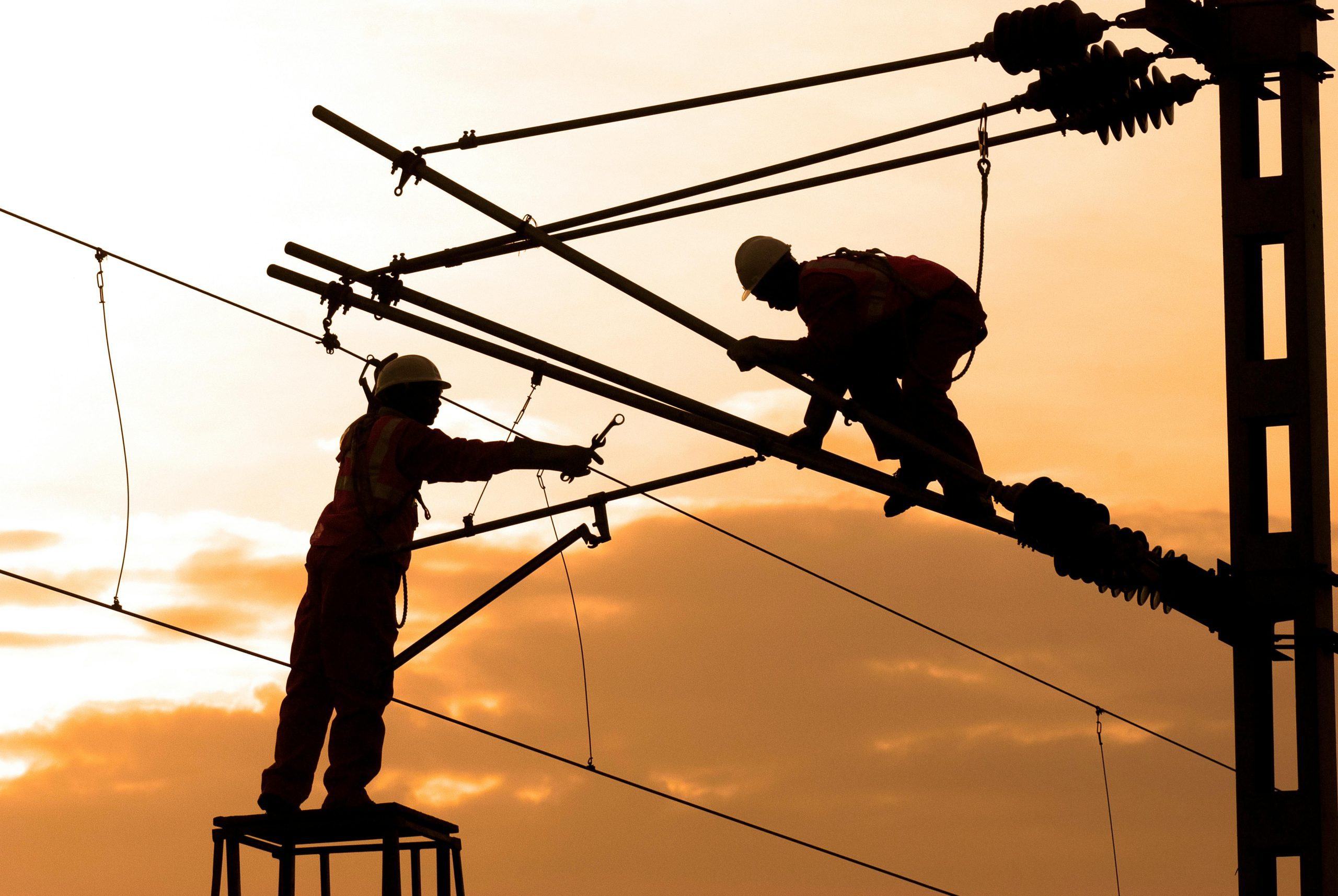
Grid operators in areas affected by wildfires are having to work in increasingly more dangerous conditions to keep the power on for communities that need it. The 2023 wildfire season burned more than 18.5 million hectares in Canada. Utility workers had to make quick decisions about when to turn off transmission lines and when to put their own safety at risk to keep important services running.¹
Urban planners and rural energy managers are realizing that they need each other more than ever. The old divide between urban and rural energy planning is no longer useful because extreme weather events are putting stress on systems that are connected to each other. Cities need power from rural areas, and rural areas need knowledge and resources from cities.
Indigenous Nations are claiming their role as co-stewards of regional grids. They aren’t asking for a consultation; they want to be recognized as partners in energy governance. This change is the result of years of activism and a growing realization that Indigenous communities often know the most about the environment in their area.
More than just using renewable technologies will make the energy transition work. It means recognizing that people who understand their local conditions, communities, and limits are the ones who deliver every kilowatt-hour.
Building Solutions That Put People First, Not Just Technology
Look at how the Ktunaxa Nation and BC Hydro work together. This partnership isn’t just about protecting fish habitats; it’s also about understanding that cultural values and traditional knowledge need to be a part of sustainable energy systems. The Ktunaxa have passed down knowledge about seasonal water patterns, fish migration, and ecosystem health that no engineering study can match.
Manitoba Hydro’s use of real-time community feedback in reservoir management is another example of a big change from top-down utility operations to collaborative governance. When flooding threatens communities, knowing how to drain water, where to go when it happens, and how to get out of the area becomes just as important as hydrological modelling.
The Inclusion Imperative
Northern communities that want to run small-scale hydro projects themselves aren’t just looking for energy independence; they’re showing how energy democracy can make both sovereignty and resilience stronger. These communities know that food, energy, and water security are all problems that are linked and need to be solved together.
This human-centred approach to the energy transition fits with Canada’s commitment to the United Nations Declaration on the Rights of Indigenous Peoples and the Calls to Action from the Truth and Reconciliation Commission. But it’s also a smart policy. Indigenous-led energy projects always get more support from the community, have better environmental effects, and are more likely to last over the long term.²
The Way Ahead
Technology alone won’t make Canada’s energy system more resilient. Grid operators who put their lives on the line during extreme weather events, Indigenous leaders who demand real involvement in energy governance, and communities that won’t accept that adapting to climate change means giving up power will build it.
People who are most affected by climate change and energy poverty need to be able to see the future, and be included in the energy transition. When we plan our energy future with people at the centre—not just as customers but also as partners—we make systems that can change, grow, and last.
The question isn’t whether our grid can handle climate change anymore. Extreme weather is becoming the new normal. It’s about whether we’re ready to let the people who know it best help us make something better.
¹ Final 2023 report from the Canadian Interagency Forest Fire Centre on the national wildland fire situation
² Indigenous Clean Energy, “The Indigenous Clean Energy Ladder: A Framework for Nation Energy Planning,” 2020