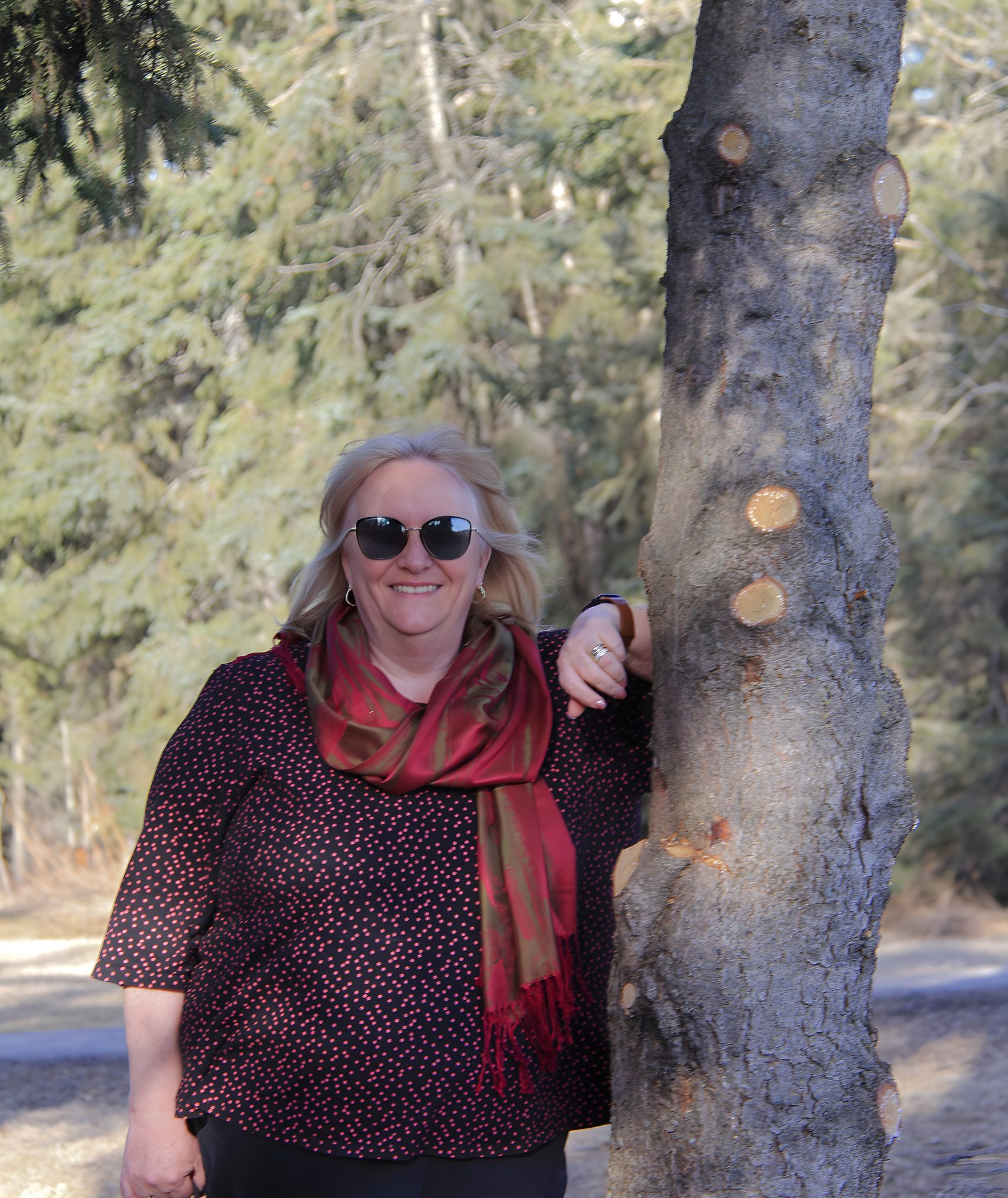
Moira Green didn’t start out as a northerner but now it feels like it is in her blood. Her children get it. They grew up in Fort St. John and got out of town as soon as they graduated. Both daughters are back now and raising their families there because there is no better place to be. The family has a remote cabin where they gather in the summer and in the winter for quality family time and recreation well away from the bustle of the little city but still comfortably situated surrounded by agriculture and the ever-present oil and gas industries.
Moira, the General Manager for Community Futures, embodies this dynamic spirit. Her journey to the region began over three decades ago when economic uncertainties in Manitoba forced her family to pivot in search of new opportunities. “We came here because our business was no longer viable,” she recalls. Landing in Northeast BC on August 9, 1994, her husband found work in the oil fields, while Moira herself embraced a series of roles—from part-time positions in local businesses to a long tenure at the credit union, and later, contributions at the airport and in local government. This rich and varied experience has given her a profound understanding of the region’s pulse, its economic promise, and the intrinsic connection between the people and the land.
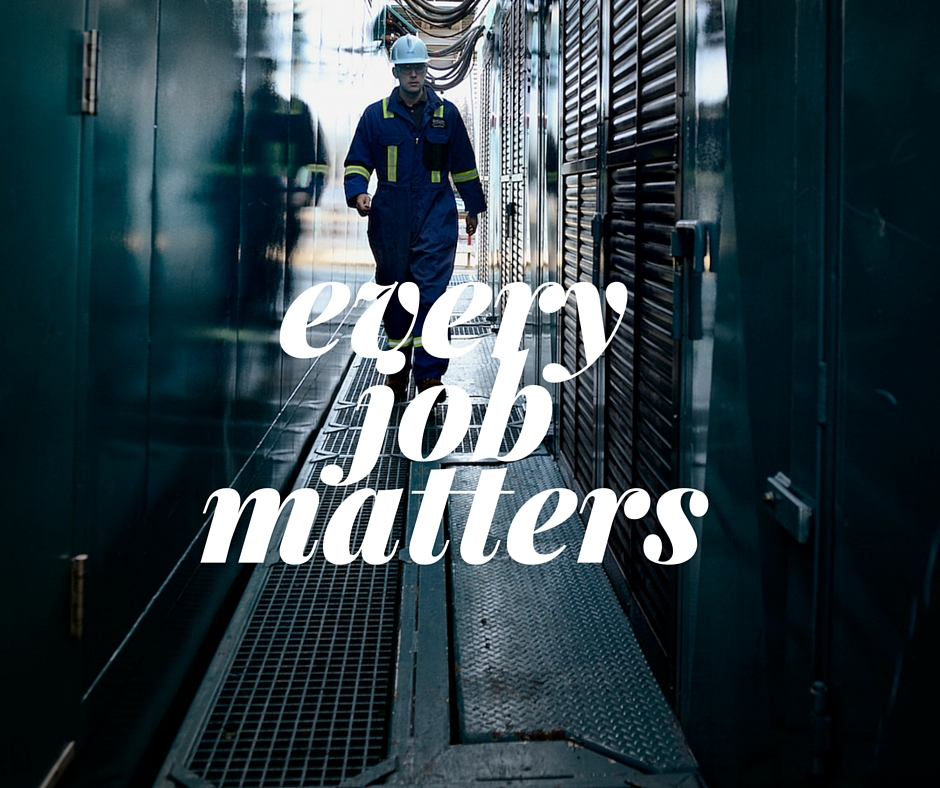
In Northeast British Columbia, the resource extraction industry is not merely an economic engine—it is the lifeblood of communities and a cornerstone of the regional identity. The rugged landscape, marked by expansive forests and striking mountain vistas, forms the backdrop for an industry that, despite its challenges, fuels local livelihoods and shapes a way of life deeply rooted in both tradition and innovation.
Despite attractive job offers in communities like Fort McMurray, Trail, and even Calgary, Moira and many local residents have chosen to stay. Their commitment is rooted in the region’s unique blend of affordable housing, vibrant cultural life, and close-knit communities that offer abundant opportunities for families. “I want people in the south to know about the value of our contribution to their quality of life. They are banning natural gas with no understanding of what that means to their lifestyle or our economy,” Moira declares. This statement not only encapsulates her pride in Northeast BC’s contributions but also highlights the disconnect between urban perceptions and rural realities.
The region’s economic fabric is woven from diverse threads: oil and gas, agriculture, forestry, and innovation. Local entrepreneurs embrace a “can-do” attitude that distinguishes Northeast BC from other parts of the province. Here, business people rarely take “no” for an answer—they are self-reliant, managing dual roles in farming and industrial work while continually seeking new ways to drive growth. This enterprising spirit is evident in the way communities rally around local industries, ensuring that each venture contributes to both immediate prosperity and long-term sustainability.
Environmental stewardship is another cornerstone of the local ethos. Although resource extraction might appear at odds with environmental protection, community initiatives in Northeast BC strive to maintain a balance between progress and preservation. Projects such as energy literacy campaigns and environmental reclamation efforts, exemplified by agreements like the Blueberry River Agreement, underscore a commitment to responsible extraction and the rehabilitation of natural landscapes. Moira explains that these reclamation projects are not merely about restoring ecosystems but also about creating new opportunities for secondary industries—ones that will serve the communities for generations to come. “Of course, we are responsible stewards of this land,” she explains. “This is where our children play and our gardens grow – in our very, very long summer days,” she brags in reference to the long clear daylight hours in the summer months.
Local residents take pride in the tangible benefits the industry brings. From affordable homes that cost a fraction of what they would in major urban centers to career opportunities that allow for meaningful community engagement, the industry supports not only individual livelihoods but the overall vitality of the region. Moira’s own life is a testament to this synergy: she has experienced first-hand how natural resource revenues can secure quality housing, fund local initiatives, and sustain a vibrant social fabric.
Looking ahead, there is optimism about further strengthening the region’s economic foundation. Enhanced infrastructure, investments in secondary industries, and innovative approaches to combining traditional resource extraction with modern environmental practices are seen as pivotal for future success. As Moira notes, ensuring that local communities remain both livable and competitive will require coordinated efforts that bridge the gap between government policies and the real-world needs of those working in the industry.
In Northeast BC, defending the industry is not about resisting change—it is about celebrating a legacy of resilience and a forward-looking vision where natural beauty, economic opportunity, and community values converge to create a truly exceptional way of life.
About the author:
Julie Rogers coordinated and conducted interviews across Northeast BC, distilling perspectives into clear, compelling stories that ground our report in lived experience. Julie Rogers, APR, is an award-winning communications strategist, speaker, and trainer, with 20 years’ experience in municipal government communications. Having lived and worked in communities across Northeast BC, she understands the people and projects that fuel Canada’s resource economy. As principal of Julie Rogers Consulting, she helps organizations craft plain-language communications strategies, design inclusive engagement plans and turn complex issues into stories that build trust.
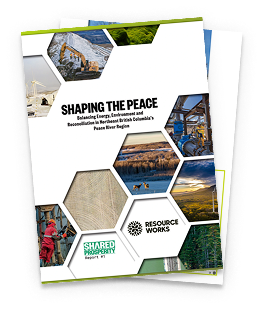
This profile is part of the series commissioned for Resource Works’ Shaping the Peace report, a socioeconomic study of Northeast British Columbia.