B.C. resource companies and innovators take center stage
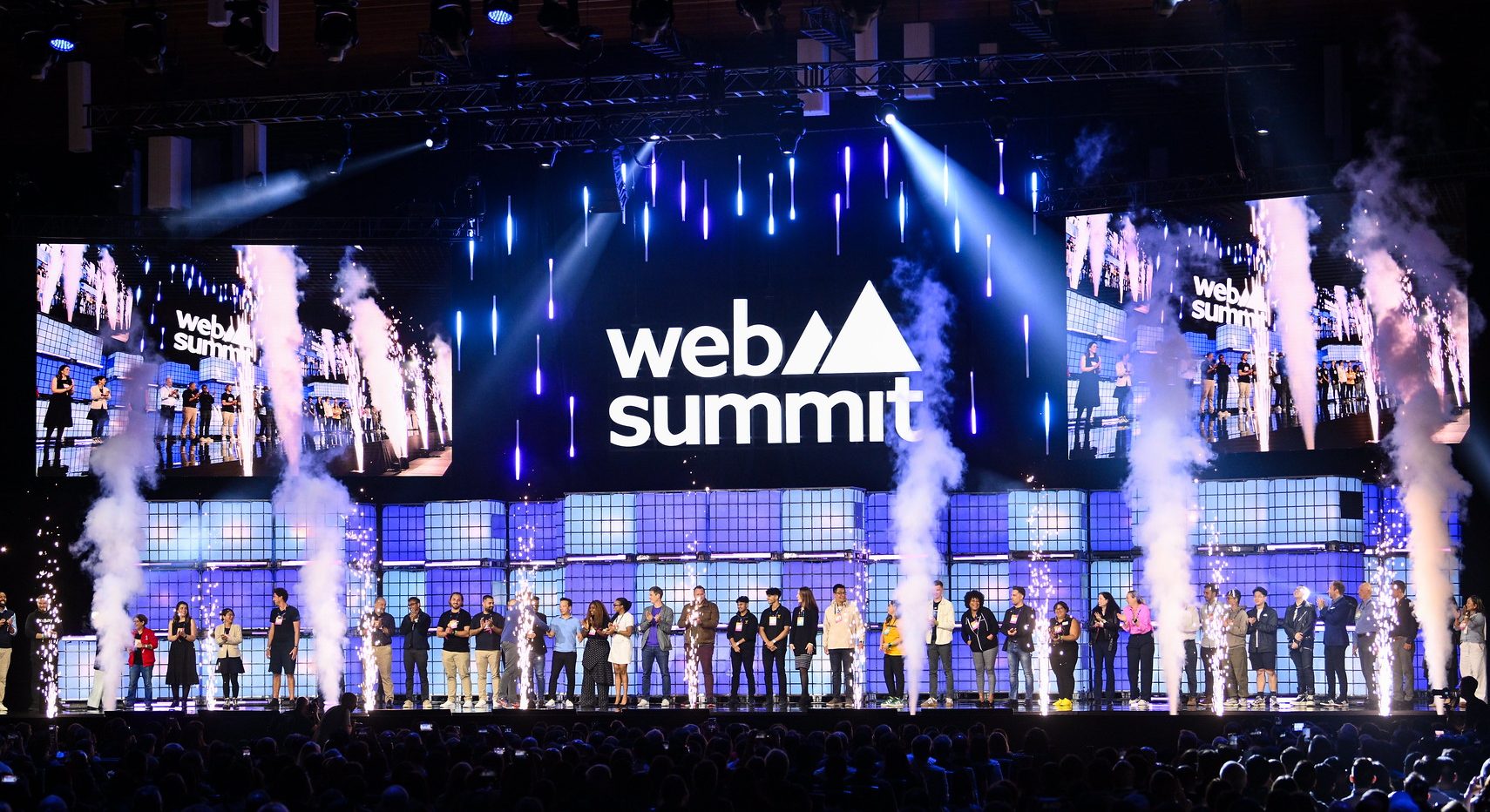
Thousands of international entrepreneurs, investors and Indigenous leaders descended on the Vancouver Convention Centre in May and B.C. resource companies and innovators took center stage at this global event. Dozens of British Columbians showcased the province’s spirit of innovation as speakers and panelists, including Jacquie Griffiths, president of Invest Vancouver.
“I think what people don’t realize is just how much innovation is happening within mining and forestry in B.C.,” says Griffiths, whose organization attracts investors from around the world to the province. “We’ve done a lot of exportable work like wastewater treatment, a lot of that coming from the mining sector. Now it’s being exported to be used all over the world, places like Tel Aviv as they deal with shortages.”
The B.C. Pavilion sponsored by Innovation B.C. put 12 of the province’s most promising ventures in the spotlight as well as giving dozens of companies a chance to display their products and new technologies. The range of innovation was staggering. Lindsay Morh was there to describe how drone technology can help with resource development, especially in remote regions. His systems will help give resource companies eyes in the sky. “The West has an innovation spirit right and I believe we are leading on drone enablement. It’s a game changer and it’s going to be a massive catalyst for Canada’s economy,” Mohr said.

Mohr’s AIRmarket company is developing a suite of technologies to provide airspace surveillance and a dedicated command and control network for drones, essentially a flight control system that increases safety. Mohr has been working with Transport Canada and NAV Canada on pilot projects and developing nation-wide regulations. A more down to earth innovation has been created by Cares, a B.C. company that uses all natural products to produce menstrual underwear for woman who have especially heavy flows. It’s a revolutionary product that has diverted over five million disposable products from landfills, reducing the province’s carbon footprint.
“A lot of competitors use synthetics that have toxic chemicals in them, but 99 per cent of our garments will decompose over time, unlike plastic, pads and tampons,” says Shirley Thompson, shares vice president of business development. “It’s important for us to be here and it’s really cool to talk to people and have them realize that there’s textiles technology involved here that creates a lot of products that a lot of people don’t necessarily think about.”
B.C.’s growing high-tech agriculture sector had a strong presence with firms like QuantoTech Foods which has developed cutting edge integrated urban farming systems that not only increase production but shrink the province’s carbon footprint. CEO and founder Alycia van der Gracht says the company designs and manufactures its own equipment here in B.C., making it a truly home-grown venture. “We started off just doing LED lighting for tissue culture and then we added our control systems and about five years ago, we were able to finally shift to food production because the cost of components had come down so much,” says van der Gracht. “Then I decided, well wait, I want to be the farmer so now we still make our own equipment and we use that to grow and sell the produce.”
Lights, hydroponic shelving, climate, pump and other controllers combine with advanced software to create a system that produces crops like chard, butterhead and romaine lettuce, basil, parsley, cilantro and mushrooms to feed a growing domestic market. QuantoTech plans to double production in the next year to meet the demand. “Once the tariffs hit, demand from customers like Whole Foods doubled, so the demand is pretty insatiable right now for Canadian produce and especially when we have it grown with Canadian technology on top of it. It’s kind of a double whammy,” she says.
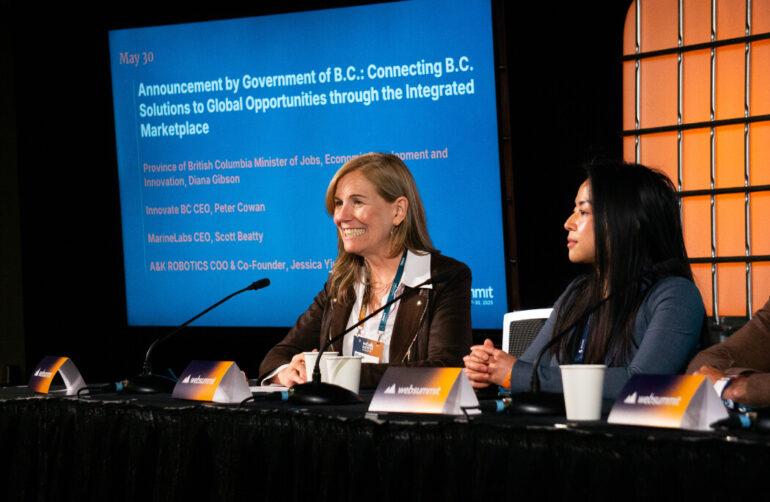
With such a range of unique ideas and new technologies being shared, Web Summit in Vancouver 2025 gave B.C. companies a chance to strut their stuff on a global stage and demonstrate how AI and other systems are helping reshape the way the province develops its resources responsibility. “It’s so important that we’re here in Vancouver showcasing the innovation, the over 12,000 companies here in B.C. that are able to be on the world stage,” said Diana Gibson, B.C.’s minister of jobs, economic development, and innovation.
“The energy is here.”