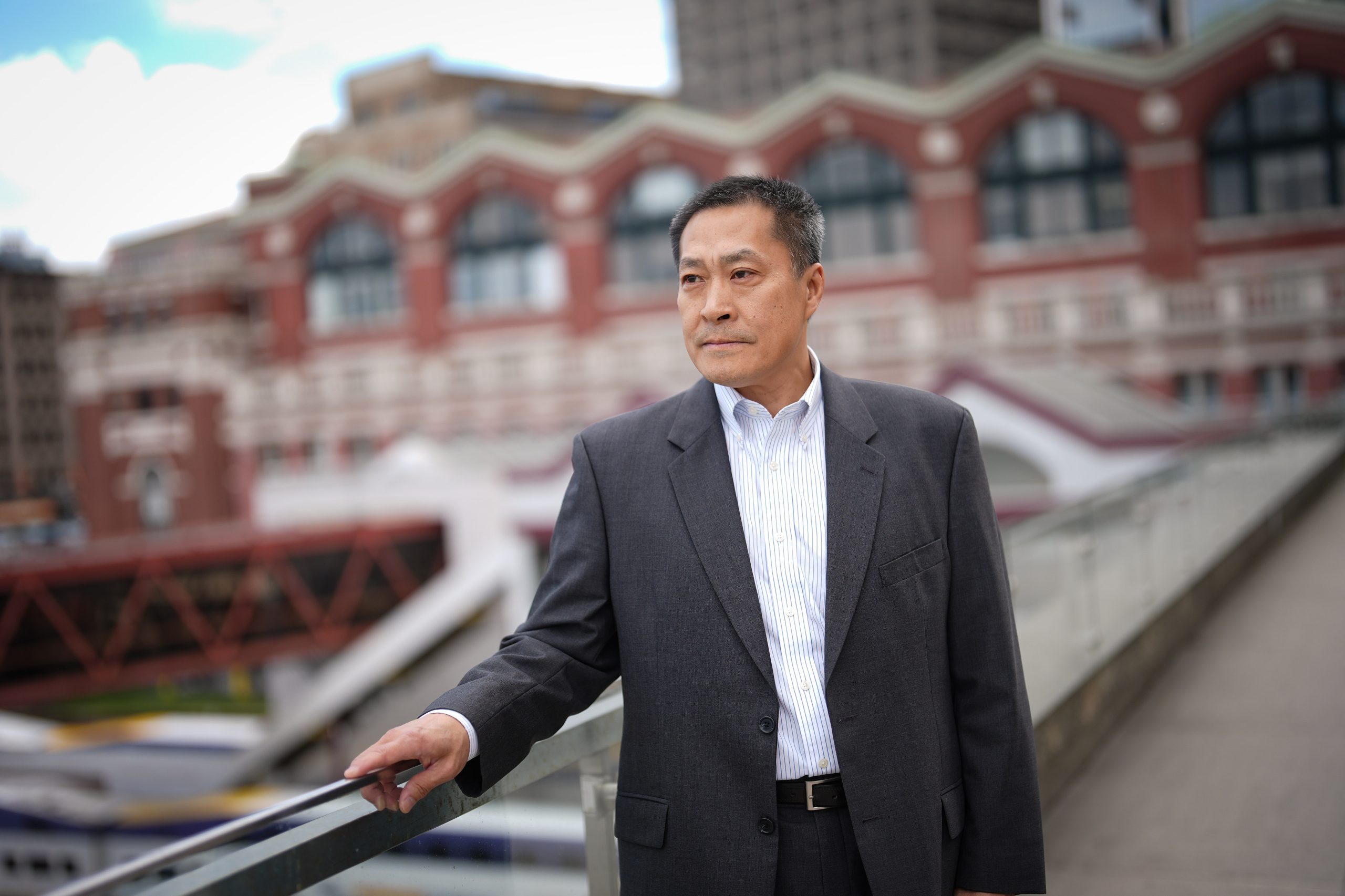
The way Edson Ng sees it, not capitalizing on our biowaste to create the base of LNG is, well, a waste. With so many sources, especially in rural and remote areas of B.C. untapped, there had to be a cost-effective solution to the problems of conversion and distribution. Other firms had been trying for 20 years or more. Then Ng and G4 Insights found the answers.
“We developed a very straightforward process, a low-cost process to make biowaste into methane directly,” says Ng. “Once you have methane, it opens up the whole chemical processing world because methane is the foundation for many of our outputs. So the key is to get the methane and we did that in a very simple step.”
Edson Ng and G4 Insights were one of the many B.C. resource sector success stories that created a buzz at the Web Summit Vancouver 2025, May 27-30 at the Vancouver Convention Centre. This global event attracted thousands of international entrepreneurs, investors and Indigenous leaders to display and share a constellation of innovations and technological advances.
Ng and G4 Insights produce clean, low cost renewable natural gas (RNG) from biomass using its PyroCatalytic Hydrogenation technology. It delivers significantly higher energy conversion and lower capital intensity compared to other RNG producers. The proprietary process also has a unique feature of biochar production at zero cost. The revenue stream from biochar carbon dioxide removal (CDR credits) results in a net cost of RNG production at or below the cost of fossil natural gas. The G4 RNG can be used in any unmodified natural gas equipment, appliance, vehicle, industrial process, or power generator. RNG can be liquified to create LNG and can also produce green hydrogen instead of RNG output. The biochar can be used in agriculture, concrete, and asphalt applications or returned to the forest to enhance regrowth.
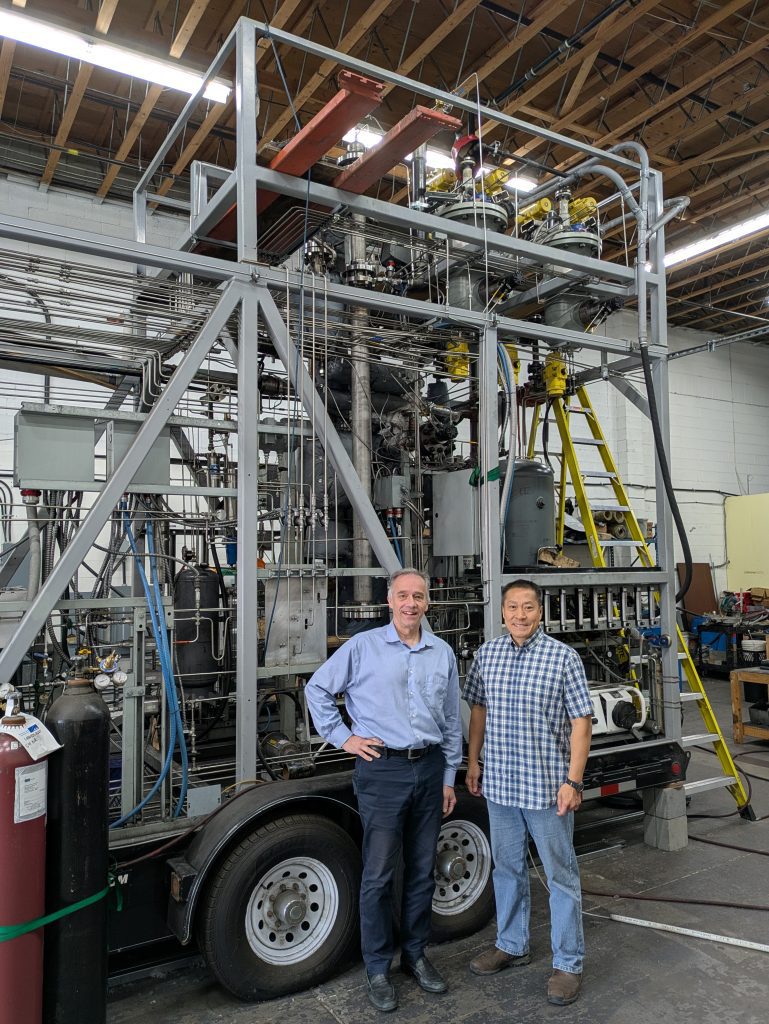
The PCH technology is based on a low temperature pyrolysis process rather than a gasification-methanation process which heats biomass into syngas and then converts that into methane. The G4 process coverts the biomass directly into methane, eliminating the generation of toxic polyaromatics hydrocarbons and minimizes tar formation.
Another strength of the technology is it can use existing gas infrastructure to plug the RNG directly into the Fortis network, enabling hundreds of communities from Hope to Prince George and beyond to sell their product to markets abroad as well as locally. “You need a business model that will pay people to harvest the biowaste and convert that into something that’s available to markets directly. A lot of these remote communities are too far from the markets,” says Ng. “But virtually every community has natural gas pipelines running through them, every sawmill has a natural gas pipeline at their front doorstep. We can get your gas injected into the grid so you sell it to any buyer. You could be in Prince George or Burns Lake and sell to San Diego or Mexico just by transferring the credits across a grid.”
The RNG is useable in applications like power generation, transport fuel, heating and chemical feedstock. Ng says key markets for G4 RNG are renewable power generation in existing natural gas combined cycle power plants and green transportation fuel. Not only is it environmentally sound, it’s good for local economies. “It’s great for communities and creates long-term jobs, so it’s very sustainable,” says Ng. “It’s a real game-changer.
Ng has over 30 years experience in the technology sector, having worked at Pathway Industries Inc., QuestAir Technologies and IBM Canada, among others. He has a B.Sc. Mechanical Engineering degree from University of Alberta and holds designations as a Professional Engineer and Certified Management Consultant. All that experience helped him and his team find the secret to unlocking B.C.’s biowaste potential. You can sense his enthusiasm and joy for what the future holds.
“I think that what we do fits in with the whole ecosystem of industry, forests, and communities all coming together with technology,” he says. “Especially in forestry communities, you need to build industries to support ongoing jobs year-round and endure the ups and downs of the market cycles. That’s what we can deliver.”