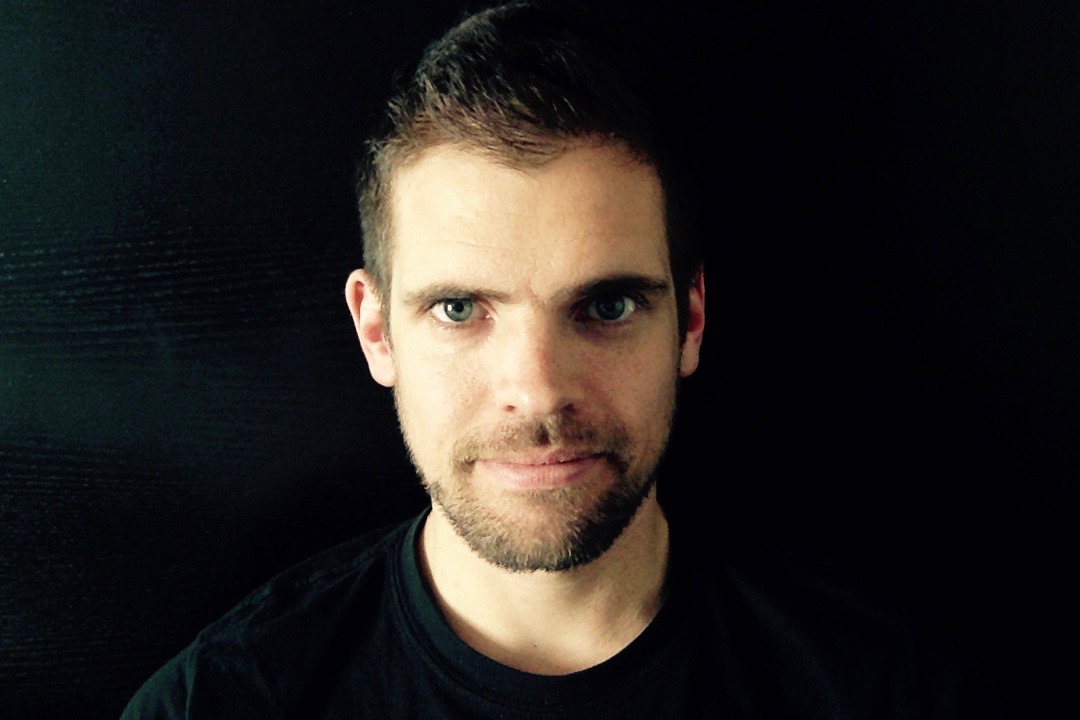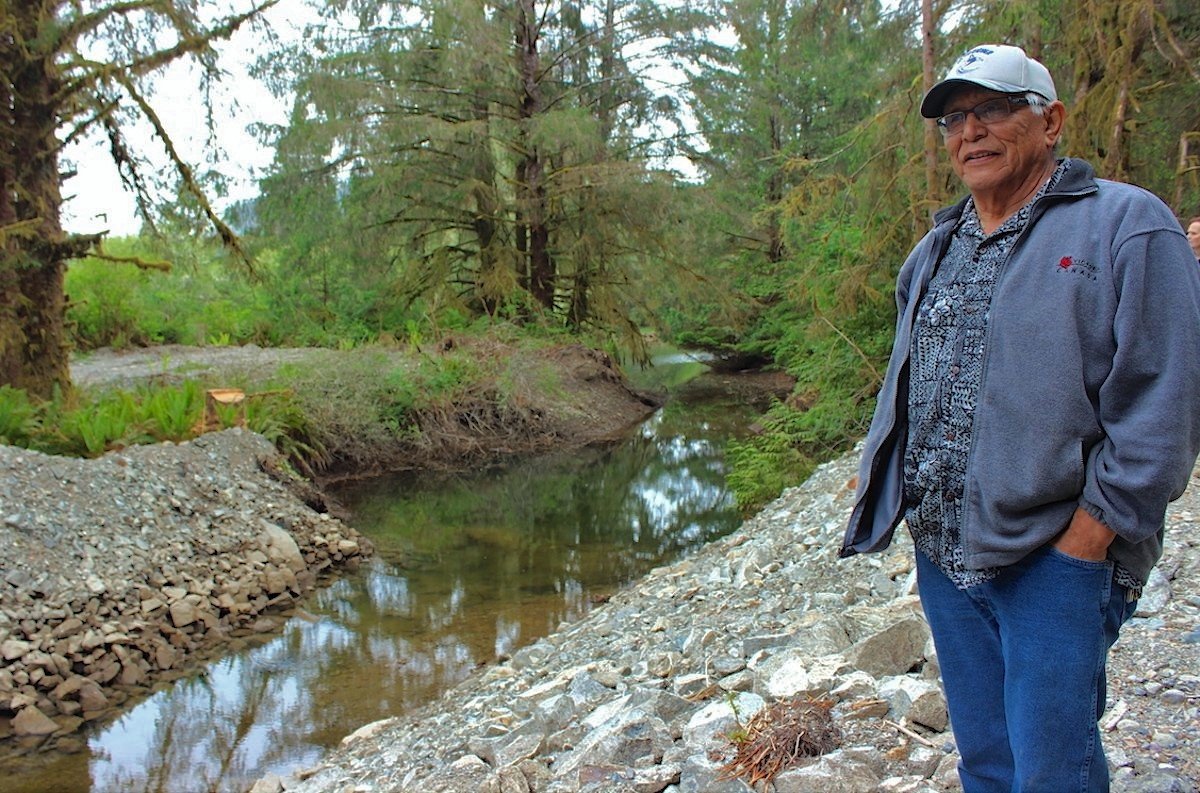

Susannah Pierce, former president and country chair of Shell Canada, joined our Stewart Muir in a special Power Struggle podcast.
She calls LNG Canada the source of the lowest carbon intensity LNG. And she introduces us to Studio.Energy, a new project led by Peter Tertzakian, a partner at ARC Financial Corporation, founder of the ARC Energy Research Institute, and a longtime respected commentator on energy issues.
Pierce began with a look back at the development and birth of LNG Canada, at $40 billion the largest private sector investment in Canadian history. “It’s almost like climbing a mountain. You don’t look at the top of the mountain, you look at your first step and you keep going and you have resilience and you have ups and you have downs.”
“But it’s also the way that we did it and the way that we coordinated it and integrated it was the most rewarding, and it’s part of why we are here today, and I’d even say it’s probably part of why LNG Canada, of all the projects that were on the docket way back when, is really the first one to get going in a major way.”
The first export cargo left on June 30, from the initial start-up of LNG Canada and was delivered to a Korean import terminal of KOGAS, a 5% partner in LNG Canada. The other partners are Shell Canada Energy (40%); PETRONAS (25%); PetroChina (15%); and Mitsubishi Corporation (15%).
Phase 1 of the LNG Canada plant at Kitimat BC will, in full operation, produce 14 million tonnes of LNG a year. The company and its partners are looking hard into a future Phase 2, which would add another 14 million tonnes.
LNG Canada itself speaks of some of the benefits of the project:
- More than 50,000 Canadians have directly contributed to building LNG Canada Phase 1. The connecting Coastal GasLink pipeline employed more than 25,000 Canadians. In operations, more than 300 full-time, permanent LNG Canada jobs have been created.
- The cumulative value of LNG Canada’s contracts and subcontracts to local, Indigenous and other businesses in B.C. to date has exceeded CAD$5.8 billion; this includes more than $4.9 billion to Indigenous-owned and local area businesses. It includes a $500-million contract with HaiSea Marine, a joint venture between the Haisla Nation and North Vancouver-based Seaspan providing harbour and escort tugboat services to LNG Canada with its innovative fleet of battery-powered and low emissions vessels.
- LNG Canada has to date invested more than $10 million in workforce development programs—meaningful trades training and development programs designed to increase the participation of local area residents, Indigenous communities and British Columbians in trades and construction-related activities including but not limited to the LNG Canada project.
- It has also contributed more than $13 million to programs and equipment benefiting Kitimat, Terrace and First Nations communities, and enabled and supported the addition of new long-term housing in the Kitimat and Terrace region.
Indigenous involvement and Indigenous benefits were hailed and underlined bv Pierce in her interview with Stewart: “The First Nations were part of the success of this and in fact essential to the success of it.” She paid tribute to Crystal Smith, then the elected chief councillor of the Haisla Nation in BC, Karen Ogen, CIO of the First Nations Natural Gas Alliance (then known as the First Nations LNG Alliance) and Ellis Ross, Crystal Smith’s predecessor as elected chief of the Haisla, later a BC MLA and now a Conservative MP and that party’s shadow minister for environment and climate change.
She also thanked Phil Germuth, mayor of the District of Kitimat, for his leadership role. Pierce touched on Peter Tertzakian’s new Studio.Energy,and its vision she described as “to bring people together to solve problems, solve energy problems, solve complexity.” “My hope with Studio is that the decisions that can be made are being made with data transparency and an understanding of the implications of decisions on investment in Canada, on jobs and on the competitiveness of the Canadian economy.
“I wanted to be part of is something that is nonpartisan, is not driving any corporate agenda. It’s having a place for that dialogue, for that conversation, data-driven, to happen.”
- Pierce video on Power Struggle’s YouTube: https://ow.ly/rx4V50Ws4il
- Audio and full transcript: https://ow.ly/HzLp50Ws4fO
- Stewart Muir on LinkedIn: https://ow.ly/Smiq50UWpSB
- Peter Tertzakian on LinkedIn: https://ow.ly/tr6P50Ws4tm
- Power Struggle on LinkedIn: https://ow.ly/KX4r50UWpUa
- Power Struggle on Instagram: https://ow.ly/3VIM50UWpUg
- Power Struggle on Facebook: https://ow.ly/4znx50UWpUs
- Power Struggle on X: https://ow.ly/tU3R50UWpVu