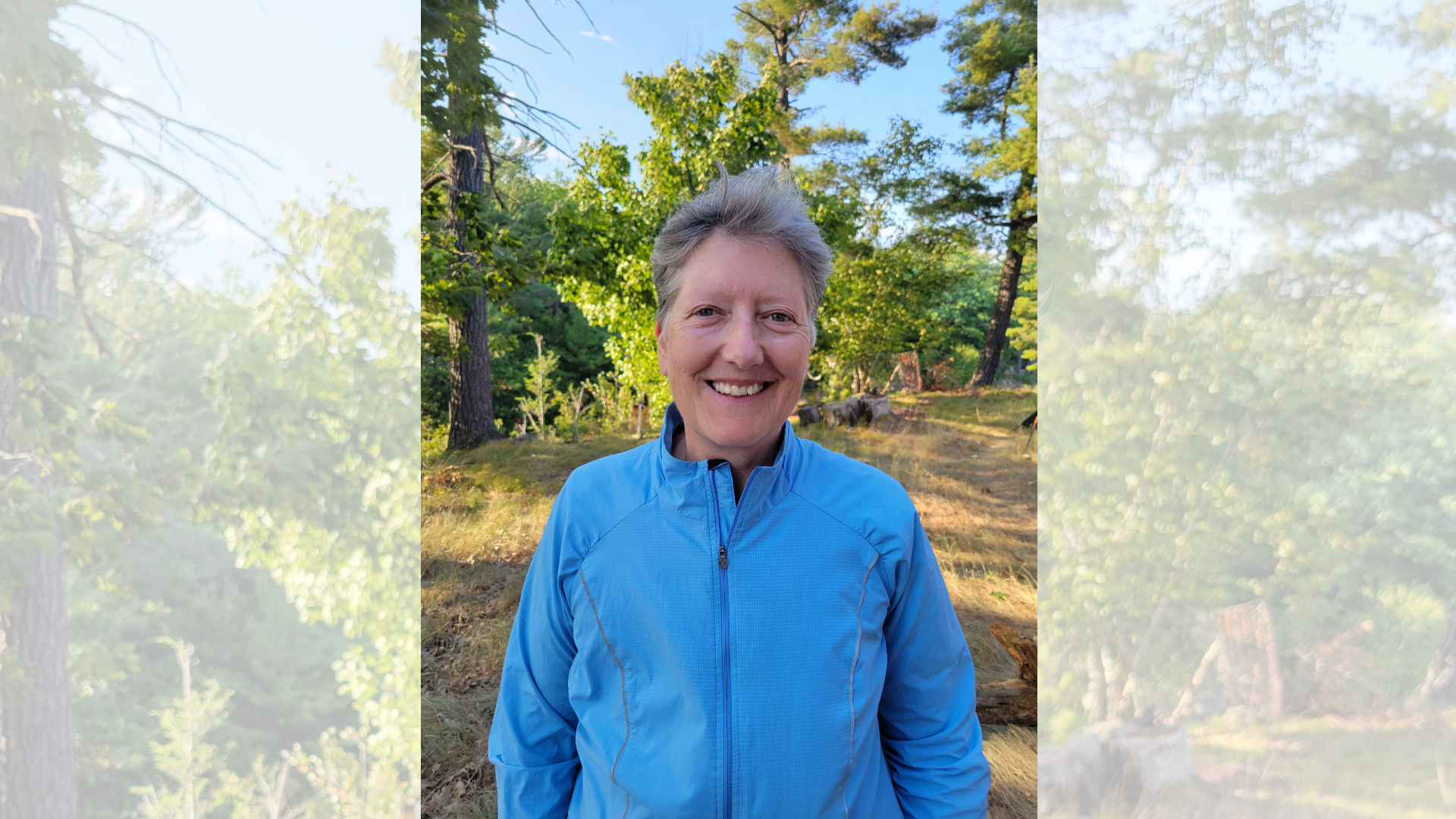
A PhD geoscientist who helped clean up one of B.C.‘s worst mining disasters has joined the board of the Resource Works Society, bringing decades of hands-on experience to the Vancouver-based think tank’s mission of promoting fact-based dialogue on natural resources.
Lyn Anglin, the newest member of Resource Works’ board of directors, doesn’t mince words about Canada’s economic predicament: it’s time for politicians to stop tiptoeing around natural resources and start championing an industry that built this country.
Resource Works is a non-partisan organization that researches and advocates for responsible natural resource development across Canada. Founded in 2014, it brings together diverse voices to elucidate evidence-driven policy on energy, mining and forestry issues.
“Resource Works is a fact-based organization that brings together a lot of different perspectives, from both Indigenous and non-Indigenous communities, and brings people together to talk about resource development,” said Anglin, who previously served as the organization’s inaugural advisory council chair from 2014 to 2018.
Canada’s future prosperity hangs in the balance as mounting government debt threatens the living standards Canadians have long taken for granted, she warns.
“Our standard of living is now under threat because of our growing debt, driven by our growing government deficits at both provincial and federal levels,” said Anglin, who spent eight years running Geoscience BC before returning to consulting in 2013.
Enter tariffs imposed by US President Donald Trump,, which Anglin sees as an unexpected gift — a harsh spotlight forcing Canadians to confront economic reality.
“This whole tariff situation has really focused a lot of people’s minds on this issue of ‘what do we need to do to create jobs, increase our productivity and support our economy?’” she said. “And I think resource development is the obvious answer that we’ve been overlooking for 10 to 15 years.”
Resource Works Board Chair Richard Prokopanko welcomed Lyn Anglin back to Resource Works, commenting: “Lyn brings exactly the kind of real-world expertise and credibility that Canada’s resource sector needs at this critical time. She’s not just someone who talks about responsible development — she’s actually rolled up her sleeves and proven it can be done, as her work at Mount Polley demonstrated. Her ability to bring together diverse perspectives, from Indigenous communities to local interest groups to industry stakeholders, combined with her track record of turning complex science into clear public policy, makes her a valuable addition to our board. At a time when Canada faces unprecedented economic headwinds, we need voices like Lyn’s who can cut through the noise and focus on evidence-based solutions.”
Mount Polley: The untold success story

Quesnel Lake close to where Hazeltine Creek enters the lake. (Credit: Northern Lights Lodge Facebook)
Anglin had unique hands-on experience in the resource field after a tailings dam failure at the Mount Polley copper and gold mine in 2014 sent mine tailings into Polley Lake, Hazeltine Creek, and Quesnel Lake near Williams Lake BC. The spill sparked a question to Anglin from Resource Works founder and CEO, Stewart Muir in August 2014, right after the spill: “What’s the impact of this going to be?”
In response, she wrote her first article for Resource Works: “Getting a better understanding of the Mount Polley accident”. After writing this Resource Works blog article, Dr Anglin was approached by the company that owned Mount Polley, Imperial Metals, asking for her help in assessing the environmental impact of the spill, and guiding the environmental remediation and recovery work.
Anglin went on to spend four years working with Imperial Metals and their Mount Polley remediation team as their chief scientific officer, and vice-president of environmental affairs. She retired from Imperial in 2018 once the final remediation plan was submitted to government, and went back into consulting.
In 2019, she wrote another report for Resource Works, headlined “How things were made right after the Mount Polley spill.”
Now, she says: “That’s the part of that story that really should get more coverage. I’m surprised that the mining industry in BC and Canada, and the governments, are not talking more about the remediation work that was done at Mount Polley.
“It really was exemplary work, and won an award for mine reclamation in 2023. The team did a really good job there. I’m very, very proud of the work that they did, and it shows that the mining industry in Canada is capable of responding well to an unfortunate accident.
“Unfortunately, whenever there’s a story about Mount Polley, the media run a picture from 2014, and no one ever seems to want to run a picture of what it looks like now. Trees are growing, it’s very green, and Hazeltine Creek is a more productive stream for fish than it was before the spill.”
From Kingston to the Kootenays: A geoscientist’s journey
Lyn Anglin’s path to the Resource Works board reads like a cross-Canada tour of higher learning and public service.
Born in Kingston, Ont., as the eldest of six children, Anglin earned a Bachelor of Science with honours from Queen’s University before heading east to Memorial University in Newfoundland and Labrador for her master’s degree. She rounded out her education with a doctorate in geological sciences from Carleton University in Ottawa.
Her first 20 years were spent in the nation’s capital with the federal government, primarily with the Geological Survey of Canada, though she also spent three years working in science policy with Revenue Canada’s Scientific Research and Experimental Development Investment Tax Credit program.
Love changed her geography in 1987 when she met fellow geologist Dan Marshall in graduate school. When he landed a professorship in Simon Fraser University’s earth sciences department in 1998, Anglin transferred to the Geological Survey’s Vancouver office. The couple now lives in North Vancouver.
In 2006, Anglin made the leap from government to become the inaugural president and CEO of Geoscience BC, an independent, industry-led research organization. She ran the non-profit until 2013, when she returned to consulting — setting the stage for her cleanup work at Mount Polley and her ongoing advocacy for responsible resource development.
Indigenous partnerships key to future
Anglin’s work with Indigenous communities, including at Geoscience BC, opened her eyes to opportunities politicians keep missing.
“A lot of the Indigenous communities understand the benefits of resource development, and want to be involved in resource development,” she said. “There is an incredible opportunity now for us in Canada to move forward in true partnerships with Indigenous Peoples.”
Time for politicians to step up
The path forward, Anglin argues, starts with leadership that isn’t afraid to say nice things about mining, forestry and energy development.
“One of the things that I would really like to see happen is that, at all levels of government, politicians and bureaucrats start thinking and talking about resource development as a positive thing for the country,” she said.
“We really need to have every level of government start talking about developing Canada’s natural resources in a positive way, so that we re-establish the public’s confidence in our natural-resource industries, which are among the best in the world.”
For Anglin, it’s not just about economics — it’s about preserving the healthcare, social services and educational opportunities that define the Canadian experience.