Mark Carney hasn’t been in office long, but his pivot on liquefied natural gas (LNG) may be one of his defining decisions. For years Ottawa said there was “no business case” for Canadian LNG, a phrase first uttered by Justin Trudeau in 2022 when Germany’s Olaf Scholz came knocking for alternatives to Russian gas.
That hesitation left Canada sitting idle while allies signed long-term contracts with Qatar, the United States, and Australia. Now, after years of missed opportunities, Carney is betting LNG can be both an economic strength and a foreign policy tool.
The question is whether Canada can move fast enough.
Europe’s appetite for LNG is not hypothetical. Germany has built four terminals since Russia’s invasion of Ukraine, with the latest opening in Wilhelmshaven in May.
Europe’s LNG imports reached near-record highs this past winter, pulling cargoes away from Asia where demand softened. In January alone, Europe imported nearly 12 million tonnes, while United States cargoes hit record levels.
Half of Europe’s LNG comes from the Gulf Coast. That infrastructure advantage, billions of dollars worth of liquefaction plants, pipelines, and tankers, is something Canada does not have.
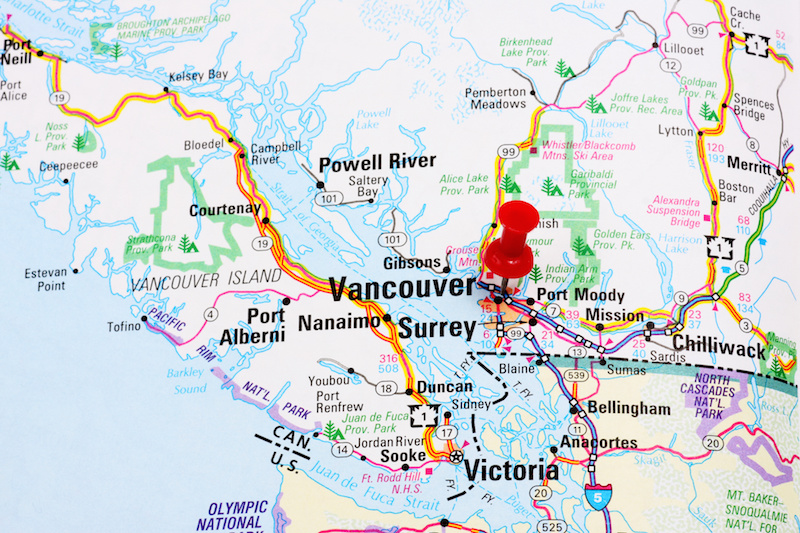
Canada has only just begun. LNG Canada in Kitimat shipped its first cargo in July, a milestone nearly a decade in the making.
Six projects are on the drawing board. If all are built, Canadian capacity would hit 50 million tonnes a year, still half the United States total but enough to matter in a global market where even small shifts in supply mean billions of dollars and hard power gains.
Carney’s government is framing this as a nation-building moment. His Building Canada Act (Bill C-5) gives cabinet the ability to fast-track major projects deemed in the national interest.
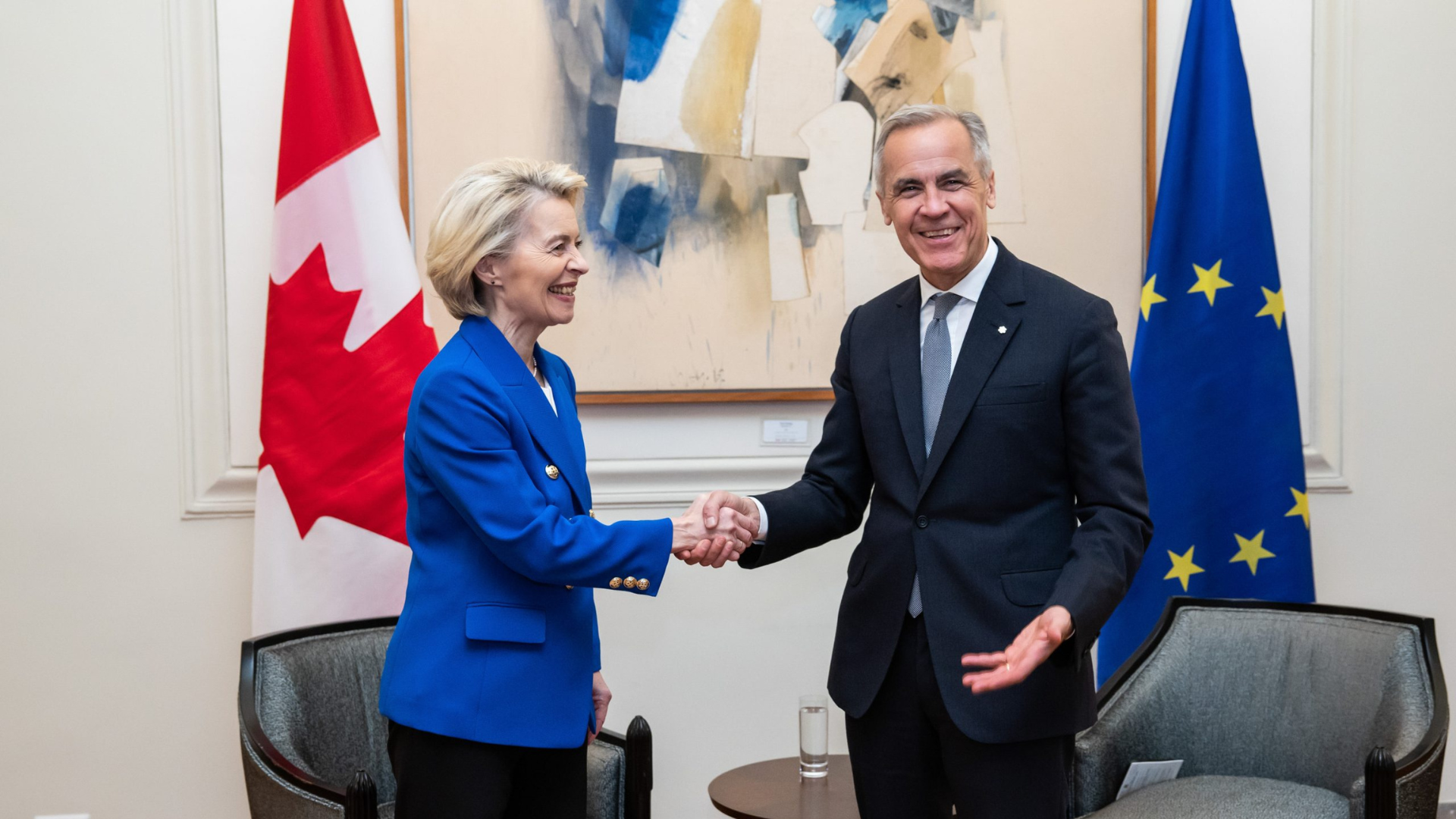
In Europe last week, he teased upcoming announcements, hinting port expansions in Montreal, the East Coast, and Churchill, Manitoba could be among the first out the gate.
Churchill, Canada’s only deepwater Arctic port connected by rail, has long been written off as a grain terminal with a short summer season. But Indigenous-led Arctic Gateway has been expanding its capacity, with the first critical minerals shipped last year and new talks underway to evaluate year-round operations.
Turning Churchill into an LNG port would be no small task. Icebreakers, new jetties, and upgraded pipelines would be required. But Carney calls it “essentially a new port” that could unlock LNG and critical minerals exports to Europe.
Manitoba Premier Wab Kinew has signed on as a way to connect prairie energy and resources to the world, and Fednav, one of the few shipping firms with Arctic ice experience, has signed on to explore year-round access.
Skeptics point to the obstacles. Shipping windows in Hudson Bay are limited, and investors remember the 670 billion dollars in cancelled resource projects since 2015.
Spain’s Repsol abandoned its Saint John LNG conversion plan in 2023 citing costs. Critics argue if Canada could not make East Coast LNG work, then why would Churchill?
Carney’s answer is demand. Germany under Chancellor Friedrich Merz has taken a pragmatic line: it needs gas and lots of it, even as it invests in renewables and hydrogen. Brussels has committed to reducing Russian imports, but that gap must be filled from somewhere.
That is where British Columbia comes in. The west coast projects once seen as solely Asian-bound are now strategic for Europe too.
The Panama Canal provides a shorter shipping lane to Atlantic ports, and Canadian LNG is marketed as having the lowest carbon footprint in the world, a selling point in a Europe still tied to its climate goals.
Energy Minister Tim Hodgson says “there are buyers” and describes LNG as a cornerstone of Canada’s ambition to be an “energy superpower.”
Canada’s misjudgment of LNG was costly. Had exports been flowing between 2020 and 2022, analysts say Canadian gas could have displaced an entire year’s worth of Canada’s emissions by replacing coal abroad.
Instead, Asian and European utilities leaned on dirtier fuels and allies turned elsewhere. The United States and Qatar seized the moment. Canada said no.
Now the calculus has changed. Trump’s trade war has made diversification urgent. European allies are asking again, and this time Carney is listening.
Infrastructure on both coasts, from Kitimat to Churchill, may finally put Canada into the LNG game it once sat out.
The opportunity is still there, but hesitation is no longer an option. For Canada LNG is not just about moving gas molecules. It is about sovereignty, power, and resilience.
It is about whether we can still do big projects. And it is about whether we will finally turn our natural resources into real clout.