
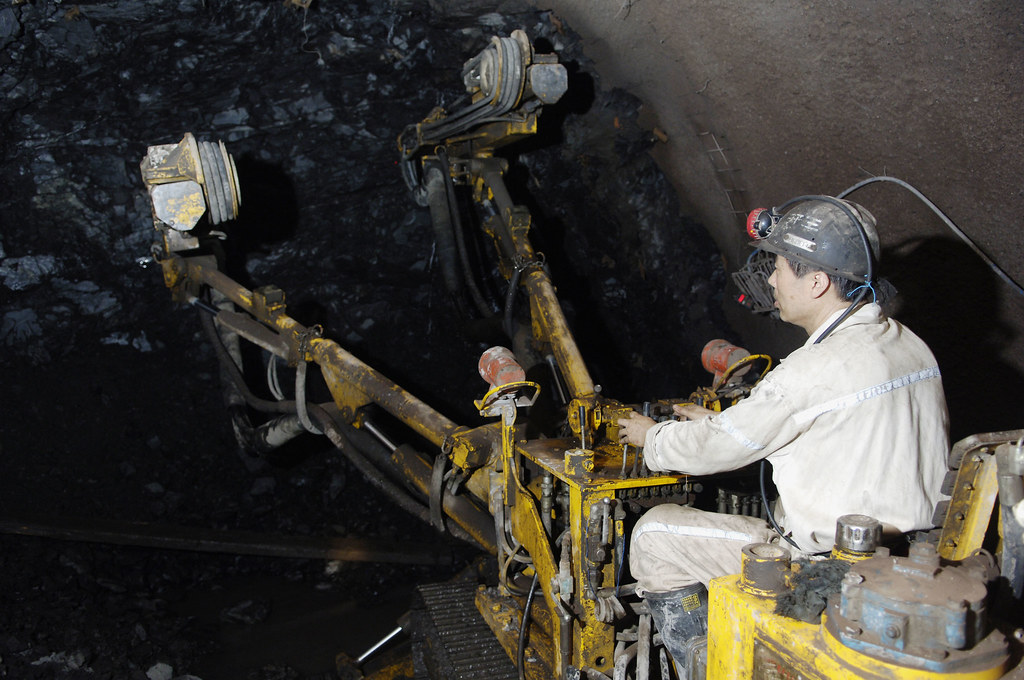
Coal has not been replaced, so it will not die.
Coal remains a cornerstone of global energy, with demand hitting a record 8.8 billion tonnes in 2024 and projected to hold steady through 2026, per the International Energy Agency.
Far from dying, coal is supplemented—not replaced—by cleaner power, as old plants keep running beneath growing renewable capacity.
To phase out coal, immediate reforms in market design, grid investment, and financing are critical, especially in developing nations where coal’s role is entrenched.
That is not the end of a transition, that is the start of an addition.
China, the epicenter of coal use, commissioned 21 gigawatts of new coal power in early 2025, potentially reaching 80 gigawatts annually—the most in a decade—driven by post-2021 shortage permits, according to Reuters.
In 2024, China added 356 gigawatts of wind and solar power, but coal construction starts jumped to 94.5 gigawatts and approvals reached 66.7 gigawatts. Coal companies pay for most of that pipeline, and long-term contracts, inflexible dispatch rules, and capacity payments keep coal plants running even when they are not needed, as detailed by CREA and GEM and Reuters.
As clean energy grows, coal’s share of China’s power mix fell to 51% by June 2025, with emissions down 1%, per Carbon Brief and Reuters. Yet, coal plants run at 50% utilization, but plants get built anyway because provincial incentives reward visible insurance against blackouts, contracts guarantee operating hours, and grid rules still treat many units as baseload instead of flexible support, per Carbon Brief and CREA and GEM.
When institutions work together, Europe shows what a smooth pivot can look like. In 2023, fossil fuel generation in the EU fell by 19 percent, coal generation fell by 26 percent to an all-time low, and, for the first time, wind power produced more electricity than gas. Renewables made up 44 percent of the power supply, per Ember.
Some of that success came from grids, storage, and demand response, and some from a rare drop in electricity demand, which included a drop in industrial load. The lesson is not that coal falls apart on its own, it is that policy, market design, and infrastructure need to work together, as Ember notes.
The truth is that life is harder in many parts of the developing world, and the average age of plants in Southeast Asia is about eleven years.
Intermittent renewables need grids that can balance storage that is still expensive, and capital can be two to three times more expensive in poorer countries than in advanced economies, plus the risk of currency fluctuations.
When gas prices go up or cargoes are hard to find, governments make choices to protect themselves. Pakistan took LNG out of its long term plan, replacing it with coal. As a result, coal is growing in some parts of Asia, while real renewable energy is booming.
Size matters. One million tonnes of coal are burned every hour around the world. In 2024, coal use in India went up by 10 percent. Vietnam, the Philippines, Indonesia, and Pakistan are using coal to power their factories and keep the lights on.
The energy transition will stop if we do not deal with coal, no matter how many panels and turbines we put up. Getting rid of coal should still be the most important thing to do.
Oil and LNG can help in the short term. Switching from coal to gas in power systems reduces emissions and air pollution. In some industrial heat uses, oil or gas can replace coal, with less carbon intensity, as argued by Resource Works on LNG.
The scramble in Europe after losing Russian gas showed both sides of this truth. LNG imports went up by 60 percent, but some countries had to restart coal units because there were not enough supplies.
In Asian power markets, Canada’s LNG can replace coal. Even when Canadian cargoes do not go directly to Europe, they can free up other shipments to go where they are needed. LNG can be a bridge away from coal if it is made with high environmental standards.
Bridges are still not destinations. The Chinese experience shows that adding clean energy is not enough if institutions keep coal in place, as detailed by Carbon Brief.
Reforming the market to reduce the number of long-term coal contracts, set targets to cut coal use hours, speed up retirements, and make spot markets bigger will make room for renewables. Grids need money, storage needs to grow, and dispatch rules need to value flexibility, which aligns with CREA and GEM recommendations.
In developing economies, concessional finance and de-risked capital are necessary for clean projects to be more bankable than coal, not just cheaper.
Many have written coal’s obituary, but each time reality has changed the draft.
Planning for a future without coal is a good thing, but, if we are being honest, that plan could take a long time to come true.
The job is to quickly build up clean supply, change markets so coal levels fall, rather than rise, use LNG and oil as temporary substitutes when possible, and help poorer countries so they do not have to use new coal to grow.
The longer we act like the problem is easy, the longer coal will stay alive.
Photo credit to ILO Asia-Pacific