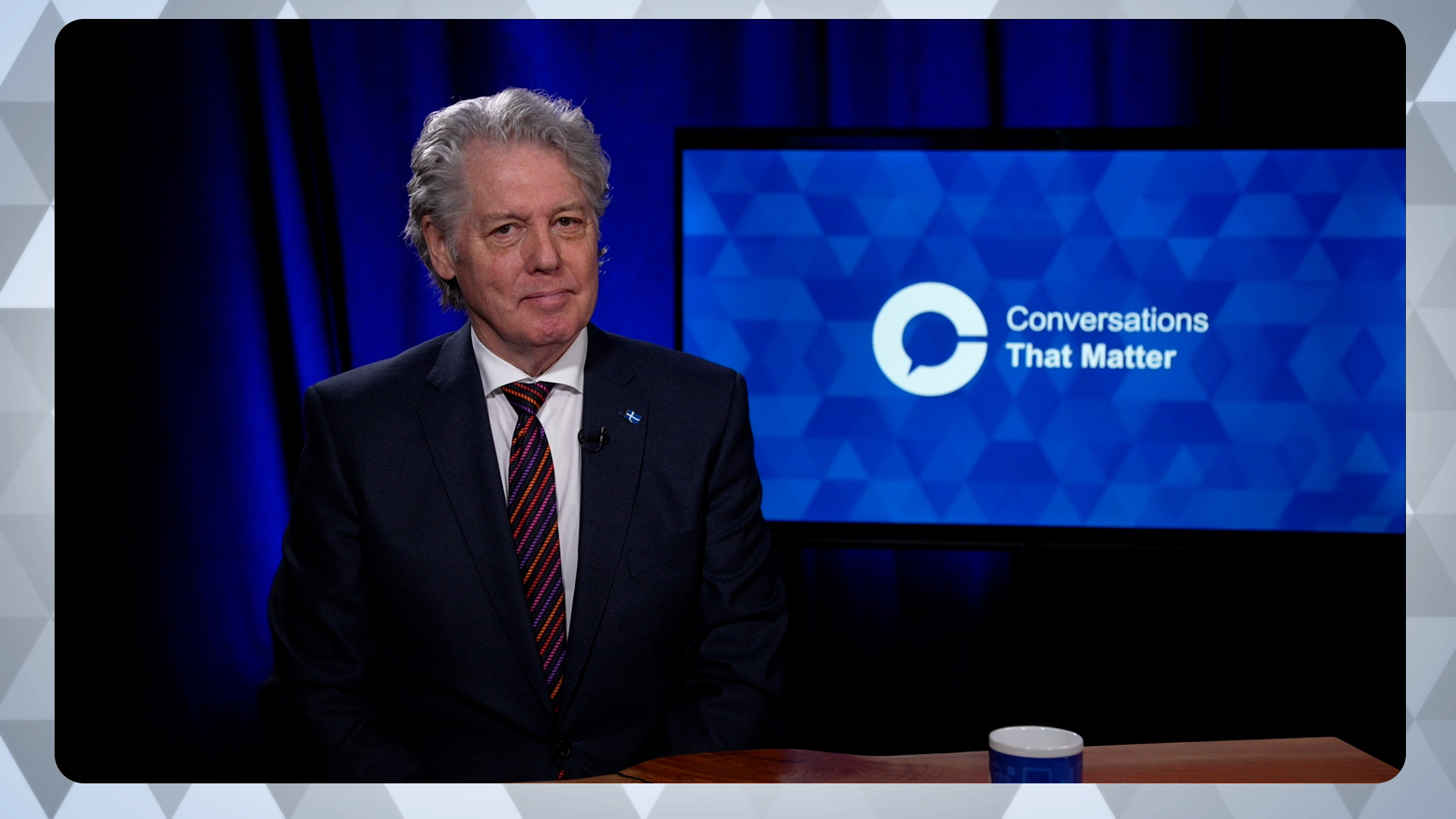
Well-known veteran moderator Stu McNish will host the Indigenous Partnerships Success Showcase on November 13 with a live edition of his program Conversations That Matter.
Before that curtain rises, he has already set the table with a broadcast on September 16 that focused on investing in British Columbia with First Nations.
The pairing is deliberate: McNish wants you to hear, in plain language, what it takes to move projects from concept to construction in a way that respects rights and delivers results.
His core message is that people, not just policies, make projects possible.
He says durable relationships with First Nations are the starting point for everything that follows, including permitting, capital and construction, especially in light of Bill C-5, a federal bill to speed up the construction of major projects that Indigenous leaders have warned may infringe treaty rights.
“What I found interesting, and it will be a big part of what we’re talking about on the 16th, is why weren’t First Nations consulted?” says McNish. “There is a legal obligation on the Crown to consult and accommodate and if there wasn’t consultation, it causes me some concern if our objective is to move forward as quickly and efficiently as possible.”
That tension between speed and consultation is front and centre this fall.
Ottawa’s Bill C-5 and British Columbia’s Bills 14 and 15 promise to speed up approvals, yet McNish warns shortcuts will only delay projects if proponents miss the mark on the duty to consult. “With Bills C-5, 14 and 15, they may now have to slow down to ensure buy-in and accommodation with First Nations,” he says.
McNish calls for smarter process design: align federal, provincial and First Nations approvals from the start rather than running them in sequence.
Another hot topic that is sure to feature heavily is the Cowichan decision. In July, the B.C. Supreme Court ruled that the Cowichan hold aboriginal title to an historic seasonal village site on the Fraser River, where private businesses operate. Most importantly, the court found Aboriginal title outranks fee simple, with enormous potential implications for private property in B.C.
The provincial government, the City of Richmond and First Nations with overlapping claims have all appealed. McNish cautions that the final outcomes of this development are still unknown.
“There are appeals that are in underway, and I’m not sure how that changes some of the elements,” says McNish.” One of the things that I am hearing, and that I think could go a long way to streamline approval processes, is if there’s some way that the feds, the province and First Nations can bring together their approval processes, so they’re doing them collectively.”
As a template, McNish points to LNG Canada’s Kitimat export terminal on Haisla Nation territory. LNG Canada partnered with the Haisla, including the joint Haisla–Seaspan HaiSea Marine tugboat venture.
In parallel, the Haisla and Pembina are developing the Cedar LNG floating facility, slated for 2028.
For IPSS, McNish wants day one to focus on what works. He is bringing practitioners into the room to walk through real deals and the mechanics behind them, from equity terms to procurement to Indigenous-led regulatory pathways.
“What I want to see out of that is to talk about what worked, why it worked and how it’s benefiting everybody,” says McNish.
That is the theme set by the conversation on September 16, and the challenge to the room on November 13: if B.C. is to build the mines, transmission lines, ports and energy projects a growing economy needs, certainty must be earned the right way.
McNish’s thesis is simple: bring the right people together early, respect First Nations as governments and owners, align the processes, and the province can move faster while doing better.