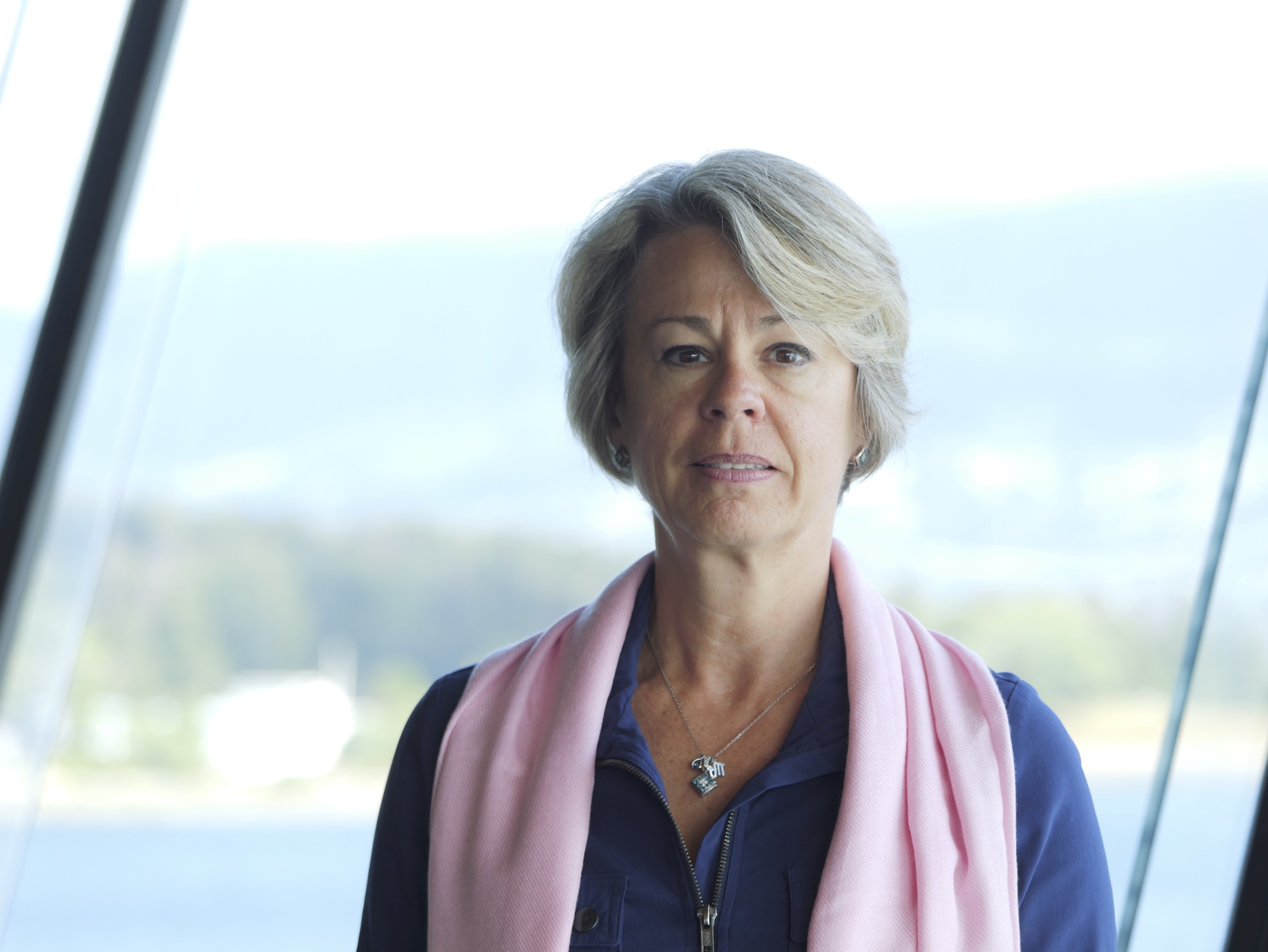
“People in the streets aren’t happy, the citizens aren’t happy, the business owners aren’t happy, nobody is happy,” said Nanaimo Mayor Leonard Krog on the lawn of the British Columbia legislature in Victoria last week.
Crime and public disorder were unavoidable at this year’s Union of B.C. Municipalities convention in the provincial capital.
From Nanaimo to Prince George, from Nelson to Dawson Creek, delegates arrived with the same message: the strategies of the past six years have not delivered the safety or accountability British Columbians deserve, and communities are paying the price.
While there’s been some encouraging signs that certain types of crime may be falling recently in some places in the province, there’s still a long way to go to fix some very serious issues.
As the CBC’s convention coverage made clear, the mood in Victoria was shaped by a sense that “in our desire to be compassionate, we have sometimes lost the balance with accountability,” a call echoed during a packed session titled “Disordered Downtown” where shelter leader Julien Daly and mayors, including Nanaimo’s Krog, pressed for change.

THE CANADIAN PRESS/Jonathan Hayward
The Alliance of Resource Communities, a network of small-town governments, was launched at UBCM to advocate for resource development, to fight mill closures and delays in new projects, but these challenges aren’t the only things harming people in places like the North, the Interior, and Vancouver Island.
Over recent years, resource communities that rely on mining, logging, and other industries have to reckon with more than just street crime and disorder, but political violence as well.
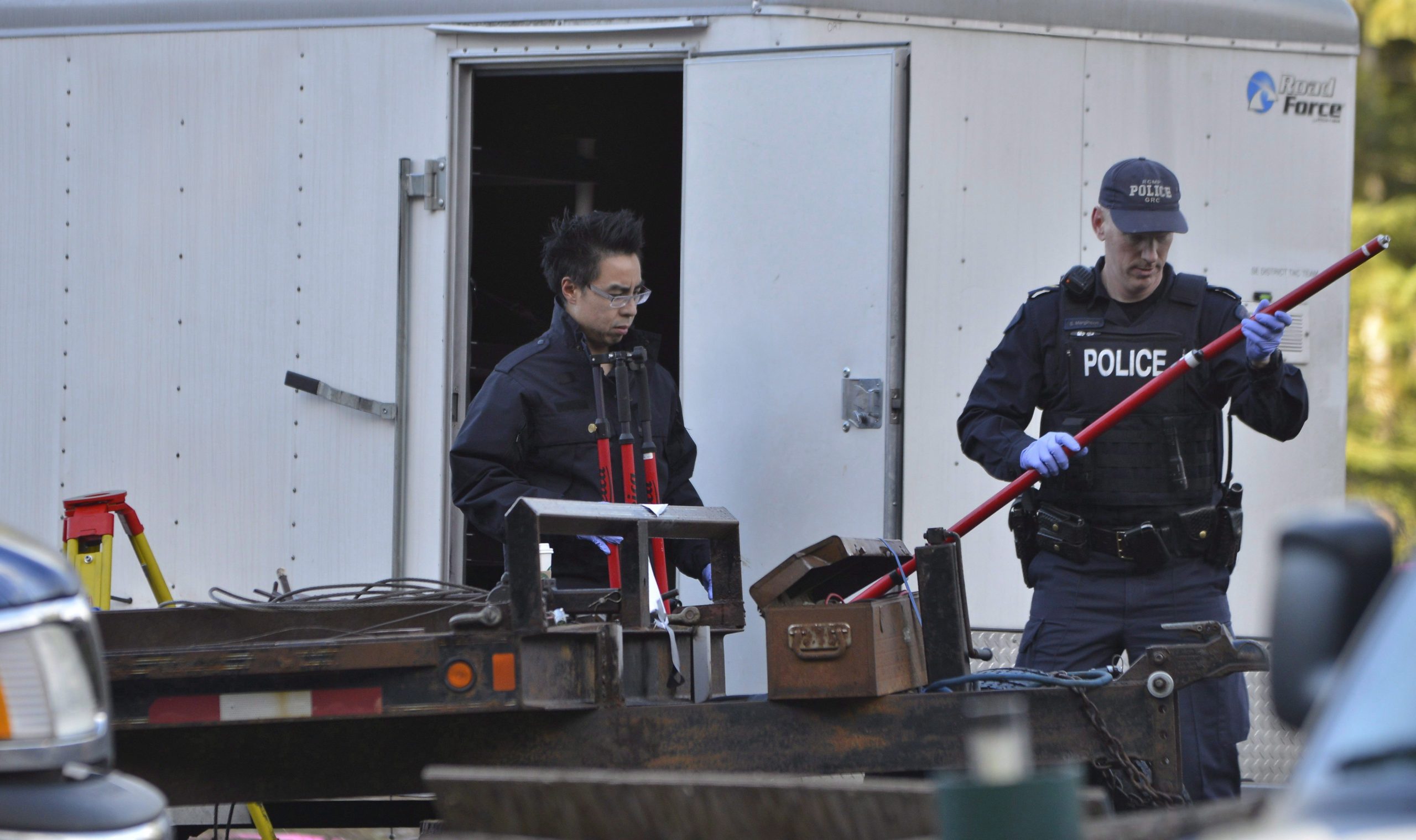
In February of 2022, workers building the Coastal Gaslink pipeline in northern BC were attacked by masked assailants who destroyed equipment and drove the workers off the worksite.
“To have somebody come at you with an axe is, you know, a whole other level of … fear,” said an employee of Coastal Gaslink at the time who went by Trevor. “I heard smashes on the back tailgate and when I looked in my mirror I could see one of them was holding an axe … it was terrifying.”
It was part of a pattern of workers and their families being put at risk by radical, anti-resource activists. In 2019, employees constructing the Trans Mountain pipeline were harassed by group called the “Tiny House Warriors” who were caught on camera uttering threats towards the workers.
“Sick, pathetic loser,” said one of the activists. “I know where your kids go to school,” she adds, and the video cuts out.
These stories are rarely heard by people in Metro Vancouver or Victoria, but are part of everyday life for people in small towns, where disorder is much more unavoidable.
Big cities see concentrated disorder around services and, in the rest of the city, lower levels of crime than a generation ago.
Resource-based towns feel the shock waves more personally, with thinly staffed police detachments, small downtowns that are easy to hollow out, and businesses that simply cannot absorb repeated losses.Prince George is emblematic in recent years. Long a hub for northern forestry, the city recorded the highest Crime Severity Index among B.C.’s 20 largest municipalities in 2022, more than double the provincial average, according to Statistics Canada data summarized by the Prince George Citizen.

This month, the owners of CrossRoads Brewing & Distillery, a downtown anchor, wrote a blunt letter after their historic building was destroyed in an alleged arson that displaced 50 staff. They pleaded, “Give us back our streets, give us back our sense of safety,” a message that council bundled into its UBCM advocacy.
Terrace tells a similar story on a smaller canvas, in a town where logging, LNG, and mining are major employers. Local retailers describe repeated break-ins, confrontations, and fear that outstrips the size of their town, with business owners detailing thousands in losses, staff safety concerns, and little deterrence for a small number of prolific offenders.
This is a tough loss for a town that has been stricken with mill closures and the halt of Fortescue’s Coyote hydrogen project that could have helped transform the local economy.
A detailed account from Northern Beat captures the cycle, the justice bottlenecks, and the call for integrated health and addiction care paired with real consequences for repeat property crime.
Earlier reports chronicled an uptick in robberies and appeals from local leaders and MPs for bail and prosecution fixes to keep chronic offenders off the street.
The theme is fairness, to the vulnerable and to the business owner who just replaced a window for the fourth time.
Ongoing decline in sectors like forestry will only worsen the situation.
The Aspen Planers mill in Merritt was shuttered the week, putting hundreds of people out of work, and the link between unemployment, drug use, and petty crime is well documented.
The Vancouver Sun likewise highlighted a new sense of urgency from mayors, business owners, and prosecutors, including data on prolific offenders in the Okanagan and calls for immediate bail reform and more Crown resources.
People in these communities outside of the Lower Mainland deserve both a healthy economic climate, and a safe one too, free from political violence and public disorder.
We can expand evidence-based care for people with addiction and mental-health challenges, while restoring accountability for the small cohort harming others.
We can recognize that crime data can improve in a metropolis while a logging town’s main street buckles. And we can accept that public safety is now a whole-of-province issue that affects more than the Downtown Eastside of Vancouver.
Vancouver’s overall declines in crime are welcome, but Victoria’s investments are overdue, and the lesson from Prince George, Terrace, and dozens of other communities is that the crisis is province-wide.
Until the province backs compassion with consequences, and the justice system is resourced to act on both, B.C.’s downtowns, large and small, will keep ringing the alarm.
As Mayor Leonard Krog said earlier month, “This did not happen overnight, and it’s not going to get better overnight, but it’s never going to get better if we don’t get going.”
THE CANADIAN PRESS/Desmond Murray