
Life in a federation is mostly hard, but worth the effort and frustration. We should keep that in mind when we face a question like: Should there be a second oil pipeline to Canada’s Pacific Coast?
We should also remind ourselves of the chain of events that led eligible voters in the Colony of British Columbia to choose Canada over the United States, and what the British North America Act stated about such decisions at that time and still today.
Section 92 of the Constitution stipulates that infrastructure projects that connect or run through provinces fall within federal jurisdiction. It clearly states that Parliament may declare a project which is wholly situated within one province to be “…for the general Advantage of Canada or for the Advantage of Two or more of the Provinces.”
Many crucial events took place between 1867 and 1871, the year B.C. entered Confederation. Canada and the United States were in a race across North America to the Pacific.
The United States had reached Washington State and Alaska by 1867, which posed a threat to Canada. In 1870, Canada acquired from the Hudson’s Bay Company the land that is today Manitoba, Saskatchewan, Alberta, Yukon, the Northwest Territories, and Nunavut. Both the United States and Canada competed for BC.
The Colony of British Columbia was having infrastructure debt problems, as Britain was becoming a less enthusiastic sponsor. Canada won the competition in part because of Upper Canada’s British roots, but the deal was sealed by promising to build a transcontinental railway.
B.C.’s entry to Confederation had everything to do with a transportation corridor. Ever since, Canada has relied upon B.C. to be an ever-expanding transportation and energy corridor, and the province has delivered. Today, B.C. hosts the largest and third-largest deep-sea ports in the country, as well as the only oil and natural gas pipelines to tidewater.
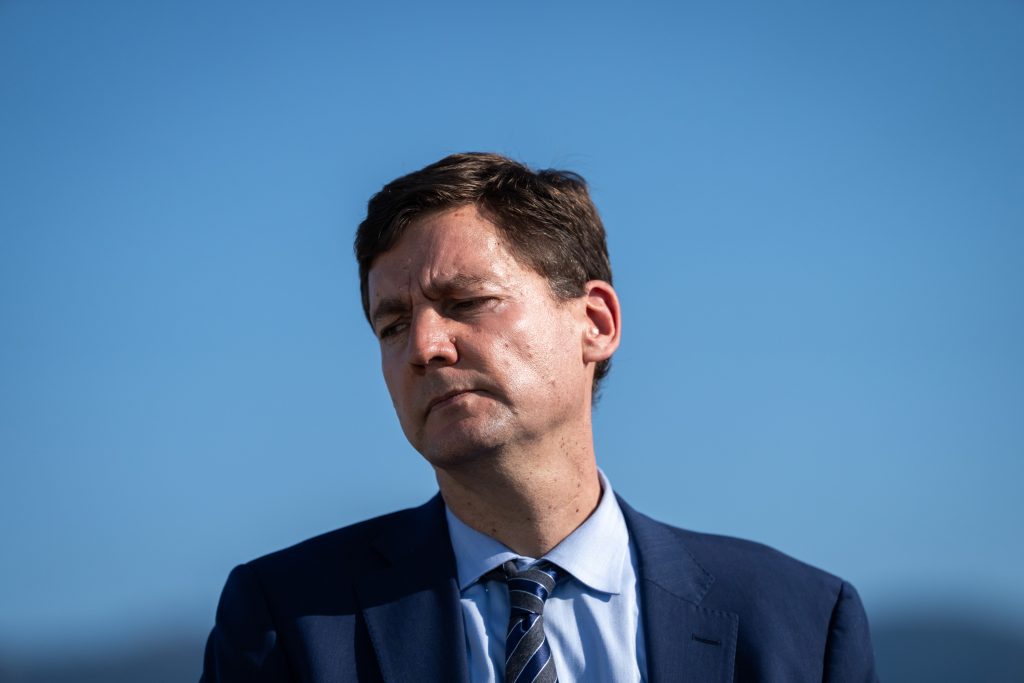
I agree with Premier Eby that BC’s contribution has been taken for granted, as have other western provinces. However, I disagree with the dismissive arguments he is making about Alberta’s goal to significantly increase oil production, in particular, relying on the point that there is no proponent.
Premier Smith, Federal Minister Hodgson, and potential proponents are all clearly acknowledging that fact. They also demonstrate a clear understanding of the requirements for adding the proposed project to the Major Projects List. The purpose of Alberta’s undertaking is an attempt to reach that threshold.
It is intellectually dishonest not to acknowledge the shattering of investor confidence and the erosion of trust among global customers in Canada’s ability to deliver another oil pipeline.
Both Premier Smith and Minister Dix appeared on CTV’s Power Play this past week. I cheered them both on and thought each did a good job. It was entertaining, but not political theatre. The debate was an expression of opposing viewpoints within a pluralistic and democratic country.

The argument that TMX is not at capacity is true but irrelevant. If the dredging is completed on schedule, the terminal will be capable of reaching full capacity as early as Christmas 2026, bringing total rail and pipeline capacity to approximately 4.8 million barrels per day. Production in Western Canada in July 2025 was 4,303,045 barrels per day.
Saskatchewan has set a 2030 target of 600,000 barrels per day, and projections indicate that Alberta’s 2034 production goals will reach 4.7 million barrels per day. This raises the need for an increased transport capacity to approximately 5.3 million barrels.
It is a fair point made by Premier Eby and Minister Dix that 10 years ago, a social licence trade-off was made with coastal First Nations in exchange for accepting LNG on the North Coast. Many things have changed since then that warrant a thoughtful second look.
There has been a general stagnation in living standards for something like eighty percent of the population. Public debt is rising to a level that is threatening many public services. The breakdown in relations with the United States is attacking our economy and sovereignty.
We have come to realize that we need billions of dollars annually to fortify the Arctic regions, protecting our northern populations and their resources from Russia and China.
Also, it has become apparent in the changing geopolitical landscape that energy resources and energy technology are essential currency for a mid-sized country to establish reliable trading partners and allies. It will get us back to the table internationally with credibility.
It is now clear that the industrialization of developing and emerging economies will not be halted. Canada has a choice to be an active, positive democratic participant or sit on the sidelines.
We now acknowledge that our proximity and dependence on the United States have defined our place in the world. We will need every asset and every comparative advantage to make that change. If we become less reliant on the United States, they will be less inclined to take us for granted.
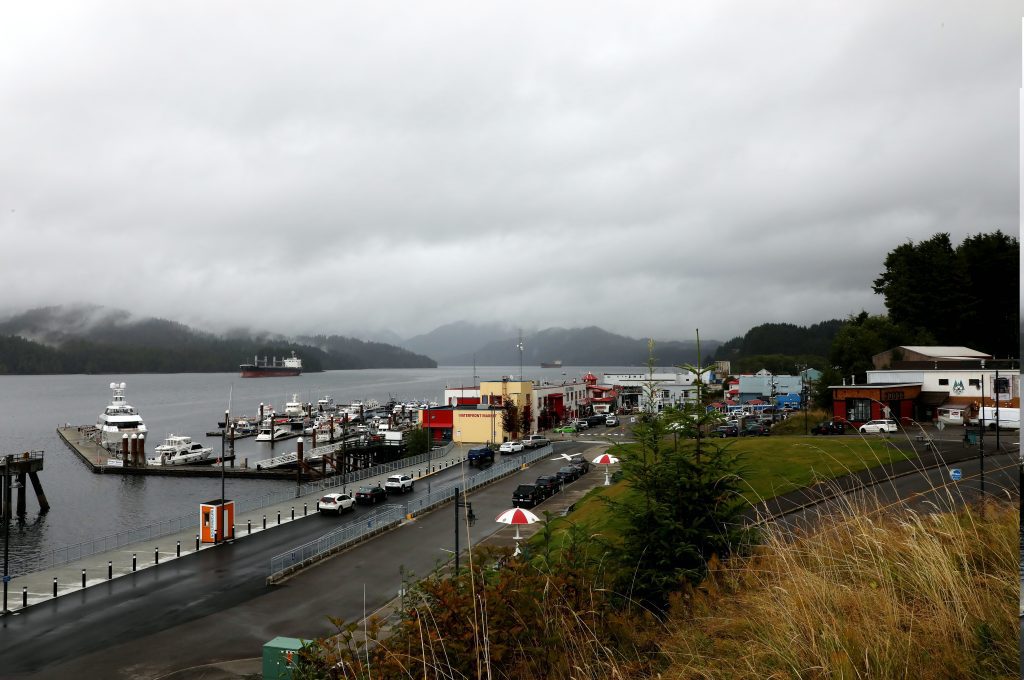
The first proposal had the pipeline terminal at Kitimat. The project being worked on today proposes that it be changed to Prince Rupert. Many reports suggest that a route from Prince Rupert, and through Dixon Entrance, is the safest, even safer than the Burrard Inlet. This contention should be tested early in the process.
Most importantly, what has changed is that a growing number of First Nations are leading resource development. Joint regulatory processes, business, employment, and training opportunities, as well as access to rents and equity, have brought Indigenous Nations into partnerships with governments and corporations. The first equity opportunity came through the oil and gas industry.
It is reasonable to assume that the tanker ban decision made 10 years ago should be put under scrutiny. It is also sensible that potential proponents and supportive First Nations and Indigenous economic development groups engage with other First Nations in the early stages of developing an amended version of the Northern Gateway Pipeline.
It is also necessary to answer this question: What is the probability that Canada can successfully meet the consensus economic and sovereignty goals we have set for ourselves without expanding oil production?
Like it or not, oil outweighs natural gas and critical minerals in value when its entire value stream is considered.
One final thought. The NDP of old would not have objected to public ownership of an oil industry company. We should learn from the Norwegian example. Norway sold its leading oil and gas company in 2001 on the Oslo and New York Stock Exchanges. They did so because their reserves are limited, and they decided to acquire international assets, including in Canada.
Since then, Equinor has significantly expanded its asset base, and private companies now own approximately one-third of the company’s shares. Despite top-level environmental regulations, and the fact that the people of Norway hold two-thirds of the shares, private investors have confidence.
Jim Rushton is a 46-year veteran of BC’s resource and transportation sectors, with experience in union representation, economic development, and terminal management.
Photo credit to THE CANADIAN PRESS