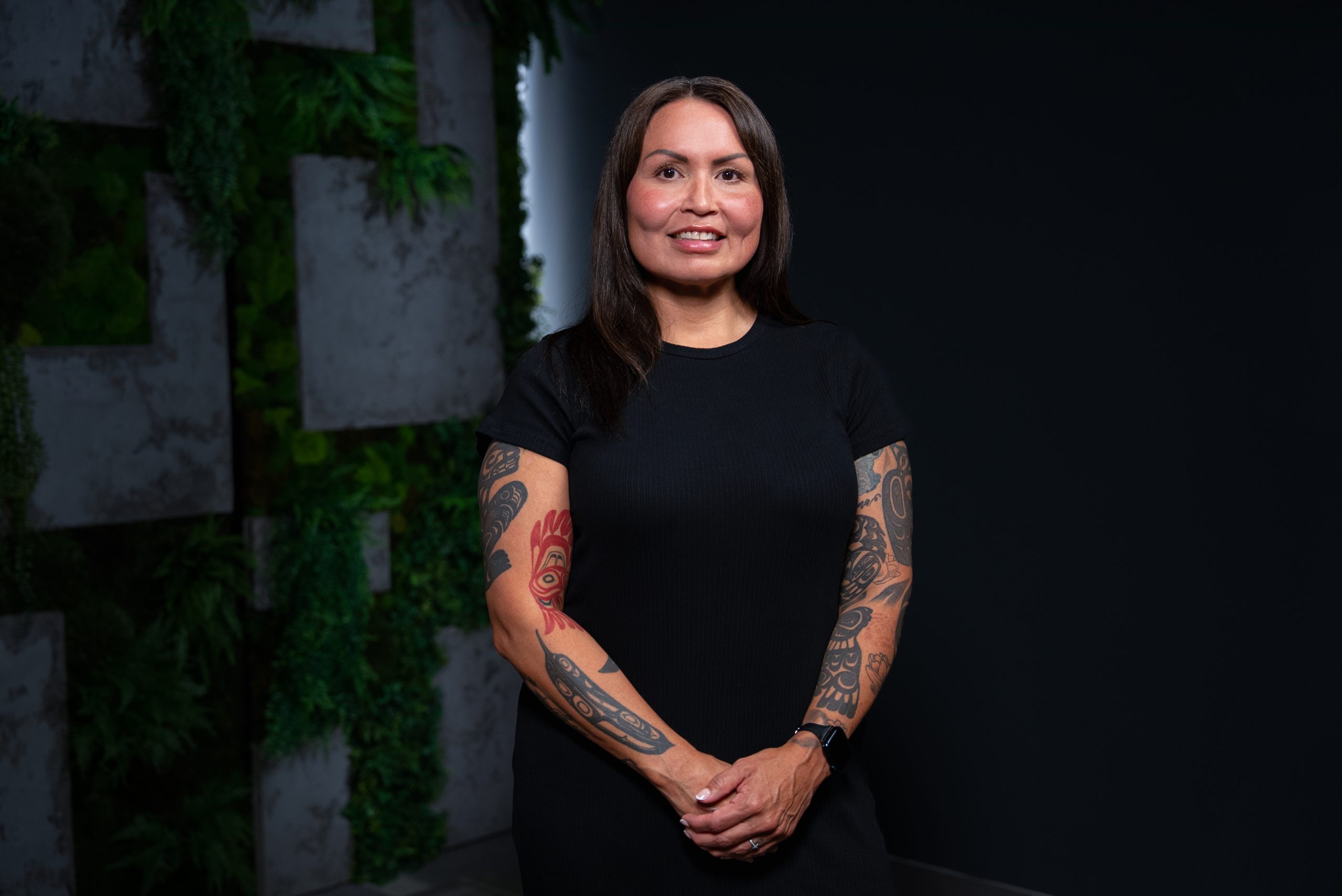
When Crystal Smith stood on Haisla territory and watched the LNG carrier Diamond Gas Crystal ease seaward behind HaiSea tugs, she called it “an incredible honour,” a moment of “beautiful weather, powerful symbolism, and an unforgettable day.”
The vessel’s name, long promised by Mitsubishi and now emblazoned on a working ship, is a fitting tribute to a leader who has reshaped British Columbia’s energy story and set a national benchmark for reconciliation through shared prosperity.
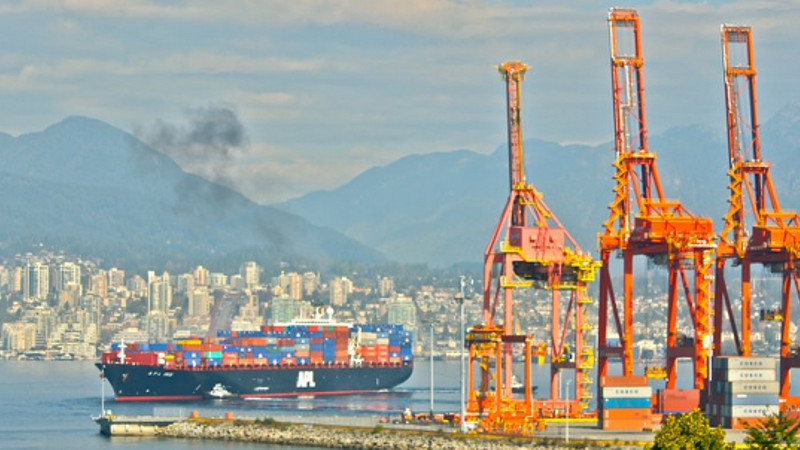
The Diamond Gas Crystal was delivered in 2021 to carry cargoes for LNG Canada under an 18-year charter with Mitsubishi’s Diamond Gas International. Built by Hyundai Samho for an NYK-led joint venture, the 297-metre tanker features an X-DF dual-fuel engine, reliquefaction, and a 174,000-cubic-metre membrane tank.
Canada shipped its first LNG cargo this summer from the LNG Canada facility on Haisla territory, an inflection point for a country seeking new markets in Asia.
A ship that now bears Smith’s name is part of that outward-looking future, sailing under Singapore colours on global routes that connect B.C. gas to allies seeking a secure, lower-emissions supply of energy.
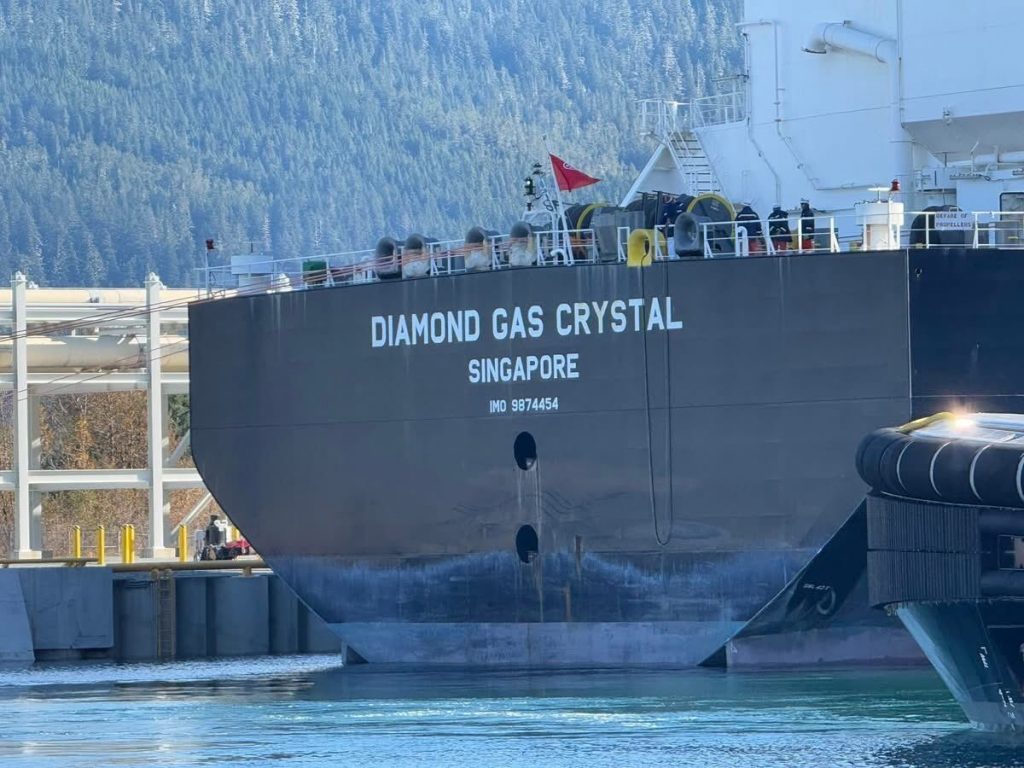
The Diamond Gas Crystal at anchor it Kitimat.
Smith’s own trajectory mirrors the project timeline. As Haisla Chief Councillor from 2017 to 2025, she helped advance Cedar LNG, majority-owned by the Haisla with Pembina Pipeline as a partner, from concept to a positive final investment decision in June 2024. The floating facility, designed to be powered by BC Hydro electricity, is slated to start up in late 2028 with capacity of three million tonnes a year, backed by 20-year tolling agreements.
“It’s absolutely amazing to see how we’ve taken our experience of not being involved to becoming majority owners of a project where we make majority of the decisions of what the technology would be,” Smith said during her appearance on the Power Struggle podcast.
From the beginning, Smith framed the work in human terms.
In a Public Policy Forum address earlier this year, she argued that “government relationships are a work in progress” and that the point of partnership is “better opportunities for our future generations.” Her stance reflects a lived history in Kitimaat Village, where heavy industry arrived without consent, and explains why she pushed for equity, decision-making, and dignity.
Cedar LNG’s electric-drive design and compact footprint are in line with Haisla priorities, while jobs, training, and contracting opportunities are already visible along the corridor that links the Coastal GasLink line to the Douglas Channel. In Smith’s words, criticism “brought our people together,” because members could see careers and entrepreneurship emerging at home, and her leadership now extends far beyond the Nation.
“I’ve seen members who have lived in the Lower Mainland for years, because of lack of opportunity, move back home,” Smith said on Power Struggle, adding that people from Alberta have returned to work in the LNG industry. “People on Vancouver Island, who were just waiting for Cedar to come into operation and construction so that they could move home and be closer to family.”
In September 2025, Smith became Senior Fellow, Energy and Partnerships at Energy for a Secure Future, and she was appointed to the federal Indigenous Advisory Council to advance equity ownership and meaningful participation in major projects. This month, the Macdonald-Laurier Institute also introduced her as a Senior Fellow, reflecting her earned national role in shaping policy debates.
International partners have noticed B.C.’s Indigenous-led LNG industry.
In Tokyo this year, the First Nations LNG Alliance, ESF, and Japan’s IEEJ signed an MOU to grow Canada-Japan energy trade, with Indigenous-led projects at the centre of emissions reduction and energy security. Japanese demand for reliable, lower-carbon LNG dovetails with B.C.’s short shipping lanes and electrified facilities, a point
Reconciliation is being politicised across the country, but the Haisla model, and Smith’s career, demonstrate a practical path that unites environmental performance, Indigenous jurisdiction, and national interest.
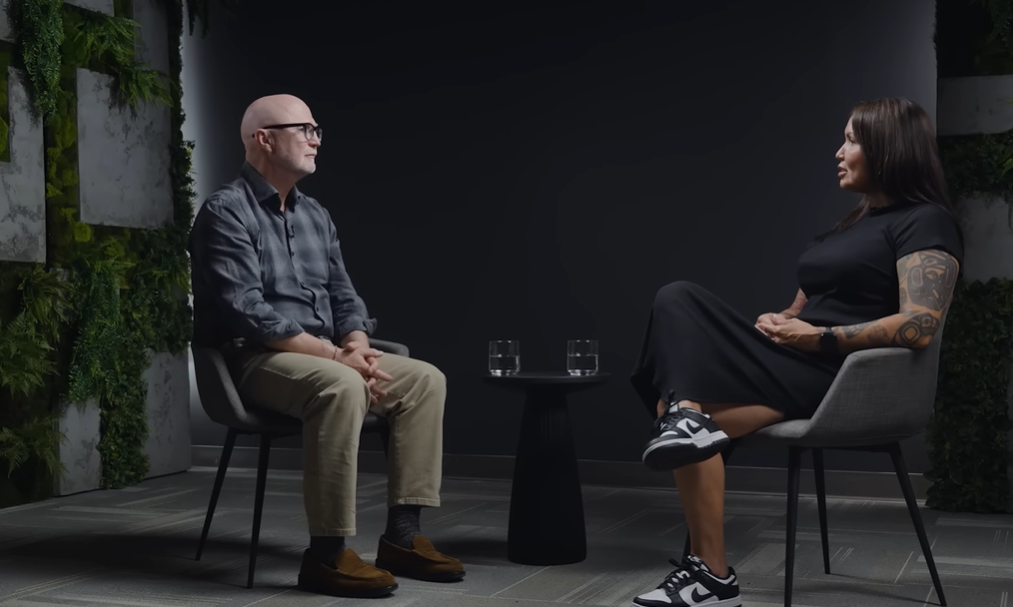
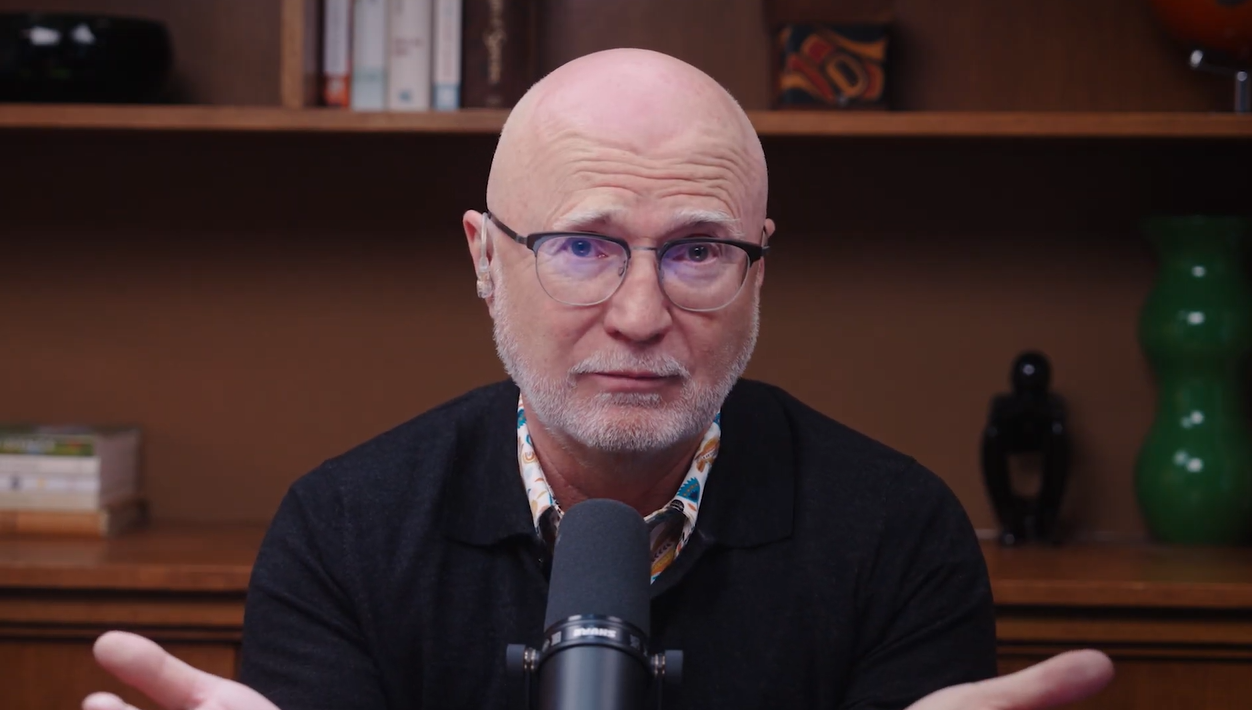
Crystal Smith during her appearance on Season 2 of Power Struggle.
Ottawa’s Strategic Innovation Fund support of up to 200 million dollars for Cedar LNG, and Tokyo’s interest in Canadian supply, are not slogans. They are the scaffolding of a better way forward, one that lifts all boats by making Indigenous peoples co-owners of the prosperity they help create.
“There’s a lot happening in the community in terms of infrastructure and new programming and and service delivery,” said Smith on Power Struggle. “Our nation’s constantly growing to be able to meet the needs of our people.”
The ship’s name is apt, then, because it captures three truths at once. First, that leadership is concrete, not rhetorical. Second, that British Columbia’s LNG story is increasingly Indigenous-led, from Kitimat to the proposed Ksi Lisims and Woodfibre projects. And third, that reconciliation’s strongest argument is not a press release, but stronger families, training programs, and community services rebuilt with own-source revenue.
As the Diamond Gas Crystal disappears beyond the horizon, it carries a message from the North Coast that reconciliation works best when it is built, owned, and steered by the people it is meant to serve. Smith’s name on the hull simply makes that visible to the world.