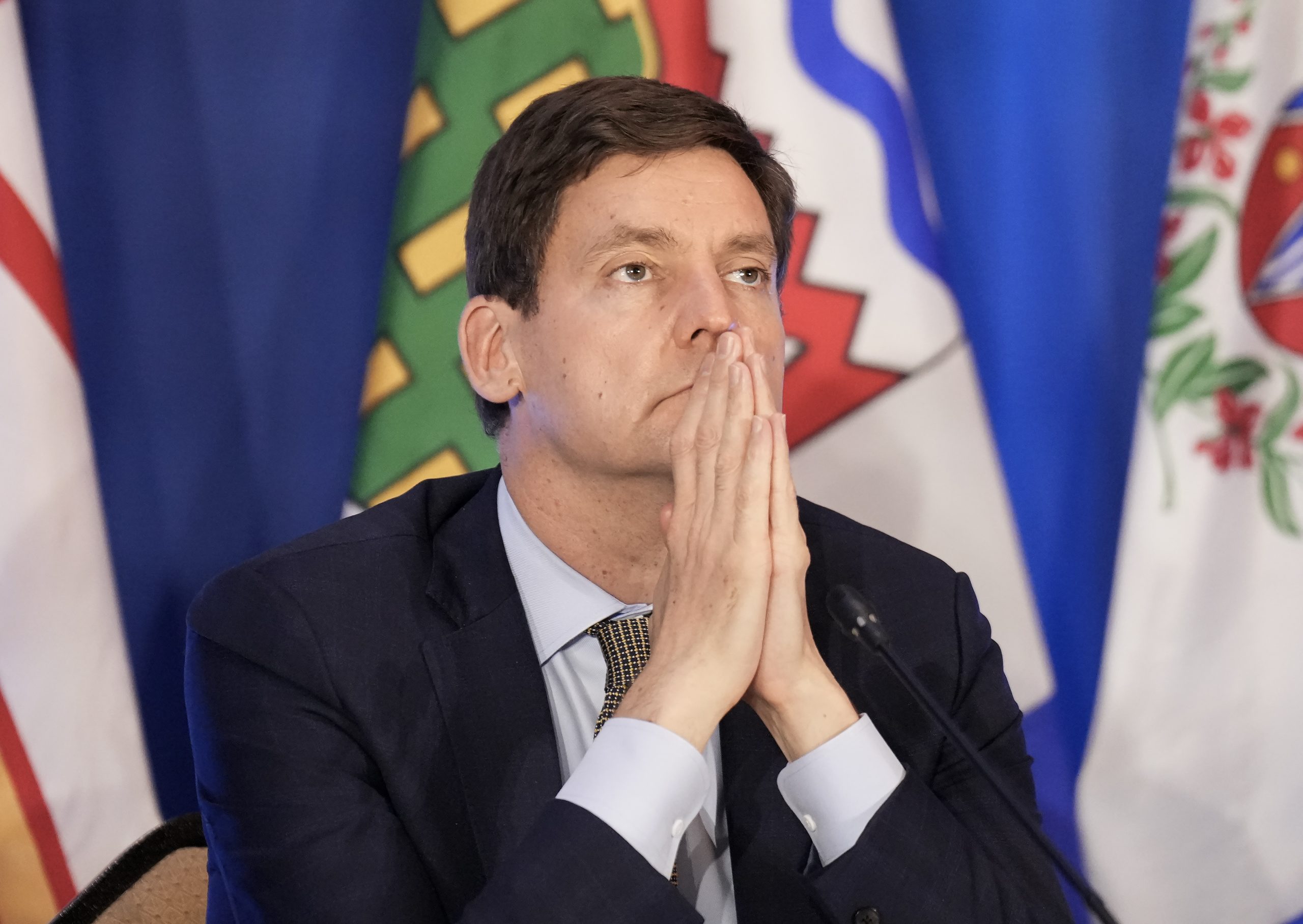
Campbell River Mayor Kermit Dahl led with skepticism in an interview with Resource Works on November 3, after Ottawa and British Columbia announced a joint working group for the province’s embattled forest sector.
“I think it’s pretty standard,” said Dahl, a driving force behind the founding of the Alliance of Resource Communities, representing rural BC communities who rely on the resource sector. “It’s very similar to the press releases we’ve heard for years.”
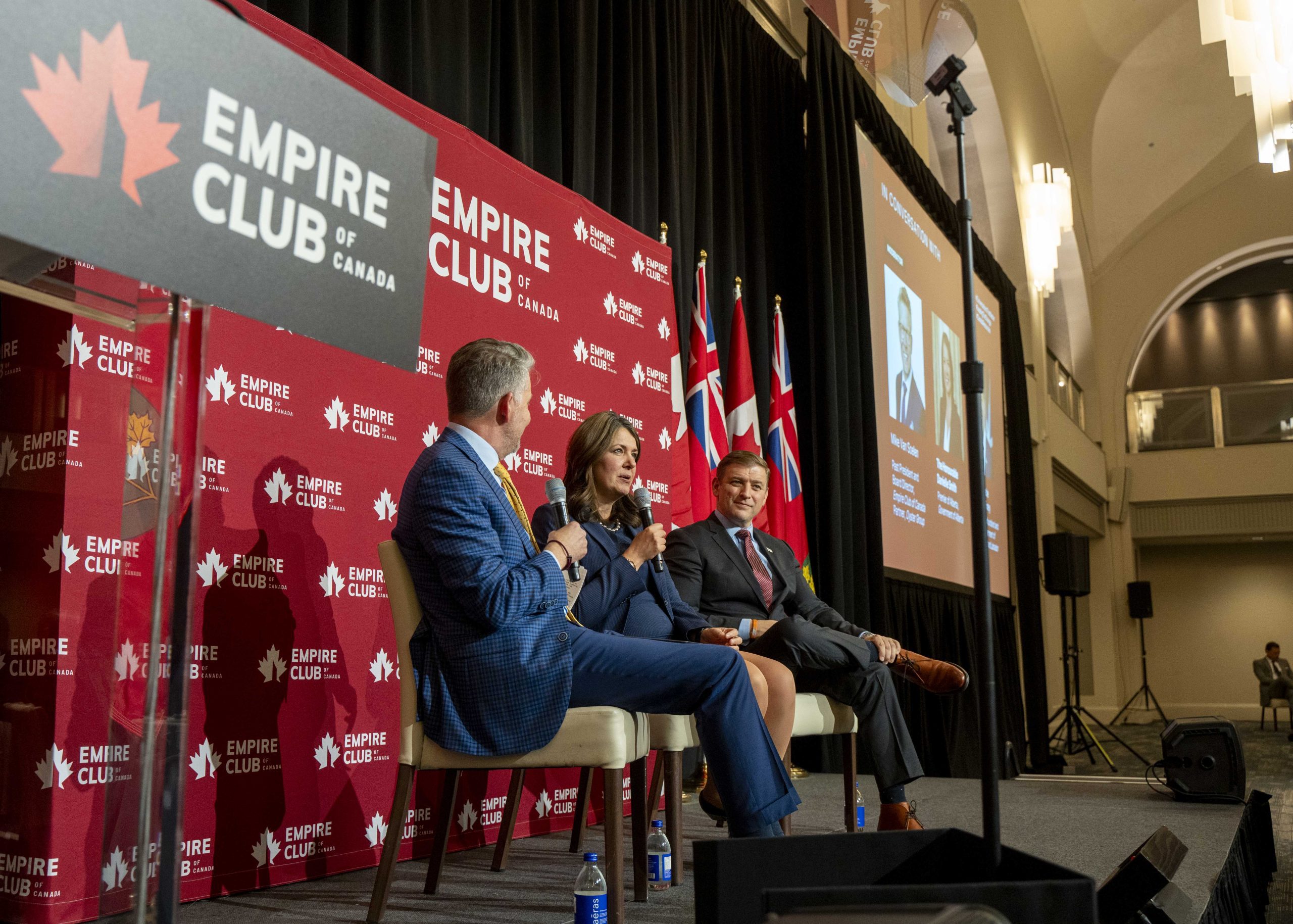
The remarks followed a Vancouver summit where B.C. Premier David Eby, federal Energy and Natural Resources Minister Tim Hodgson, and Dominic LeBlanc, the federal minister responsible for Canada–U.S. trade, outlined a coordinated response to U.S. softwood duties and tariffs and announced a federal–provincial working group.

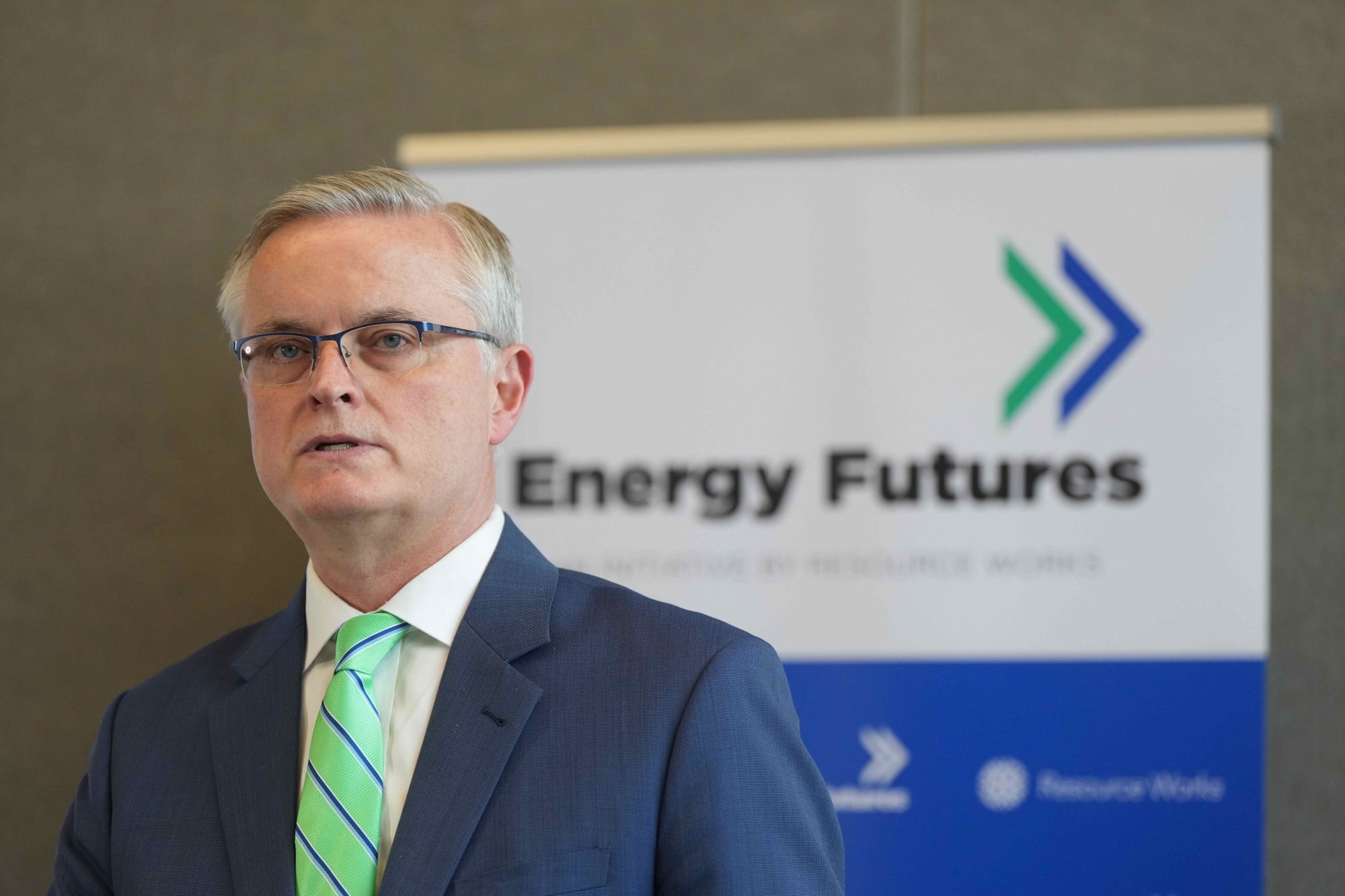
Campbell River Mayor Kermit Dahl
Dahl added that officials were “trying to tippy-toe around the issues and and stay friendly,” but that “there’s no teeth at the end,” before asking, “What happens when nothing has changed in a month or three months? We’ve heard these things over and over again. It’s just another committee.”
Eby said the new group would move quickly to connect B.C. companies with existing federal support and identify further measures tailored to the sector’s diversity. “The working group that we’re establishing is going to do a couple of key things,” explained Eby. “First of all, they’re going to make sure that the forest sector in British Columbia has access to the programs that have been announced and implemented by the Government of Canada.”
He claimed that some federal opportunities had not yet been taken up by B.C. firms and promised to fast track access.
“One of the items that was known as there are some opportunities in the federal table that BC companies have not been able to, have not applied to take advantage of yet, sort of make sure that that’s fast tracks, we’re able to access those resources immediately,” said Eby. “For the forest sector, the other thing is to make sure that we’re working together on what additional resources will be brought to bear. The forest sector is incredibly diverse in BC, from little, tiny mom and pop shops to great, big, internationally traded companies. And so making sure that there are supports in place, and that was what we were pitching today, supports in place to respond to that diversity and support workers keep the industry intact.”
LeBlanc stressed the urgency of a unified approach with the province as talks with the United States remain uncertain. “The soft wood lumber continues to be something that we had been raising with the Americans,” said Leblanc. “I committed to the premier, obviously, that we would work with him and his colleagues when and if those negotiations resume in the short term, to ensure that we’re buckled up at the same time.”
He added, “The hour is grave, the moment is serious for us to continue to work together and to adjust and to increase the supports that the province and the Government of Canada can put in place together to to support the sector and the women and men who work in British Columbia and in every part of the country in this important industry.”
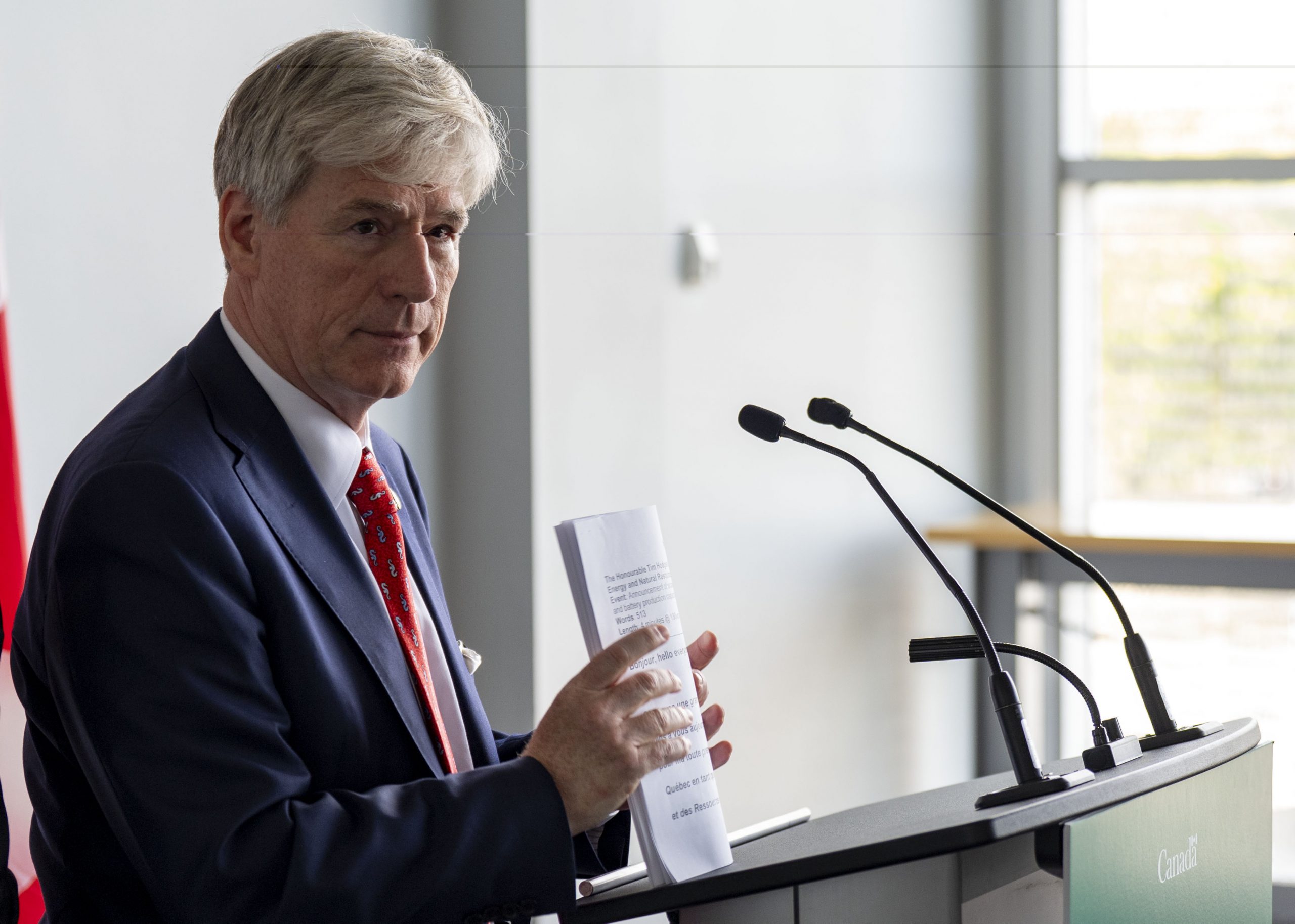
Hodgson pointed to immediate federal financing tools. “Here’s $700 million of liquidity support that’s being set up. It’s now available to all the companies in the sector,” said Hodgson. “With Minister Parmar, we talked about how to make sure BC got its full and fair share of that $700 million of liquidity support. There’s an additional $500 million available to help companies retool and prepare for the world where we’re trying to grow our exports beyond just the United States.”
Industry responded cautiously and supportive. The BC Council of Forest Industries, an industry association representing forest companies, welcomed federal–provincial coordination and called for the working group to include industry. COFI urged three federal priorities, a durable softwood lumber agreement, faster access to existing softwood funding with a single window and additional support where needed, and regulatory and permitting reform to reduce duplication.
Provincially, COFI pressed for improved efficiency under Forestry’s Major Project work, significant reductions in tenure-related costs, and provincial funding to match federal commitments, arguing these steps are needed to keep mills open and people working.
Whether the new working group meets Dahl’s test for action will be judged in the coming months by workers and communities looking for quick relief, predictable access to fibre, and clarity on long-running trade tensions. For now, the province and Ottawa say they are aligned, promising to move swiftly to tighten the link between announced programs and on-the-ground support.
Photo credit to THE CANADIAN PRESS/Nathan Denette
Resource Works News