Writing in Troy Media (follow this link to see the article), Bill Whitelaw makes some insightful points about the changing role of news media and what that means for the Canadian natural resource sector. Says Whitelaw:
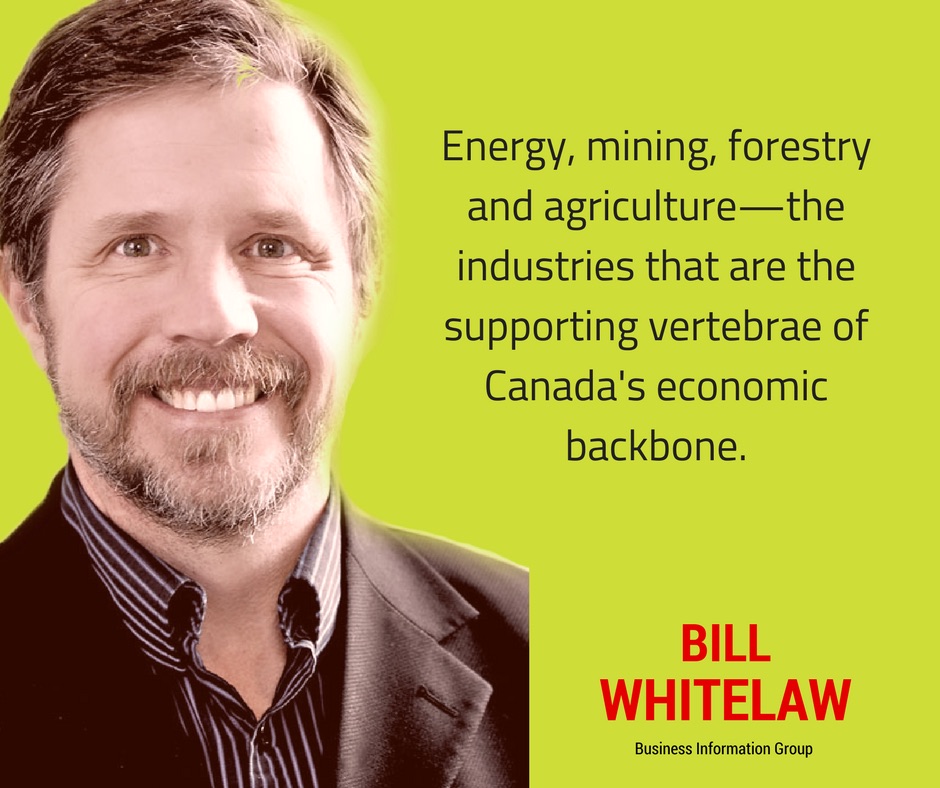
“In this age of thought-leadership reports and white paper discussions that flutter around our lives like so much wedding confetti, there’s one document out there that deserves immediate attention—particularly in Canada’s resource sectors. Energy, mining, forestry and agriculture—the industries that are the supporting vertebrae of Canada’s economic backbone.”
After several decades in the news media myself, I can heartily concur with much of what Bill has to say. Just this week I saw a raft of onetime Vancouver Sun colleagues take their leave from the publication after many years of service. Not retiring: taking buyouts. No doubt all of these individuals have the talents to thrive in whatever they do next; more worrisome in my view is where this leaves the average reader.
Even when we had a solid complement of reporters, editors and designers to keep readers informed, it was a big challenge to ensure coverage of large-scale industries was both fair and frequent. Resource industries are not, to most people, particularly glamorous. Yet they are absolutely essential to the Canadian way of life.
With more departures in the news industry, it will become even more challenging for these issues to be covered. Resource Works is striving to be partially a solution to this with our academically sound, balanced approach to the resource narrative. In a few short years we have done much to restore a factual foundation to the public conversation, recognizing at the same time that we are operating in an emotion-drenched realm.
The amount of misinformation out there is staggering. The job to be done is not only to perform quality research, but also to get out there and talk about it so more people can understand the needs we have as a society, and how qualified people are working out the answers to layer upon layer of challenges.
Working alone, Resource Works can’t be the total answer, but by making ourselves available to news media, and by ensuring our information is neutral, relevant and timely, it’s possible to make progress.
Stewart Muir is executive director of the Resource Works Society.