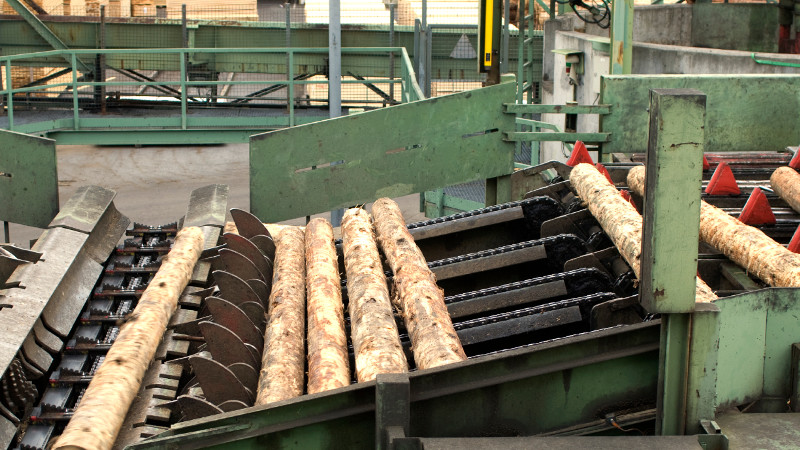
BC’s wood-frame construction sector has been targeting China’s construction scene for years, offering a more environmentally friendly alternative to concrete building materials.
In the memorandum of understanding (MOU), the two governments agreed to share wood-frame construction expertise and research in order to promote wood-frame construction and help with the development of new construction standards in China. But is this knowledge sharing MOU a game-changer for the BC’s wood construction industry, tipping the odds of success in its favor?
In the last couple of years, Chinese policy changes toward greater sustainability and climate change mitigation, together with a growing need for affordable housing, have created opportunities to expand BC’s lumber exports. Lumber exports increased from $75 million in 2004 to almost $1.4 billion in 2013. But according to the Council of Forest Industries, the majority of Canadian lumber sold to China is used for concrete forming, furniture and other home decoration purposes. The use of lumber as a core building material has been growing slowly, predominantly in resort and other tourism facilities.
On top of Asia-oriented efforts to support wood exports, the government is promoting wood culture in our own backyards. It launched Wood First initiative in 2009 to maximize the use of wood building products and technologies, strengthen wood manufacturing industry and support the industry on the global scale.
The BC Government has high hopes that this MOU will open the Chinese construction sector to BC businesses. While success of BC wood-frame construction in Zhejiang province might open doors to a sea of new building projects across China, the impacts of the MOU remain to be seen in the upcoming years.
Is this MOU a game-changer? Maybe, maybe not. Ultimately, selling wood for home-building in China will depend on shifting cultural preferences of Chinese investors and buyers toward BC’s culture of wood. The question that both the industry and BC government should ask is how to accelerate that cultural shift towards viewing wood as the first choice for construction, interior design and daily living. Zhejiang’s rolling hills, rivers and lakes may provide just the inspiration for the Zhejiang’s version of a wood culture campaign.
Anja Novak is an assistant researcher at Resource Works. She earned a master of arts degree in political science at SFU. When she is not working on research and engagement activities at Resource Works, she is coordinating partnerships development at Reconciliation Canada.