What makes this agreement so compelling is its attempt to use a moderate, step-by-step approach to complex projects. The setup is designed to allow for early collaboration between the First Nations representatives and industry proponents followed by a gradual, phased approach to decision making as projects develop. It means trying to tackle one decision at a time rather than trying to imagine and agree on an entire project in one go.
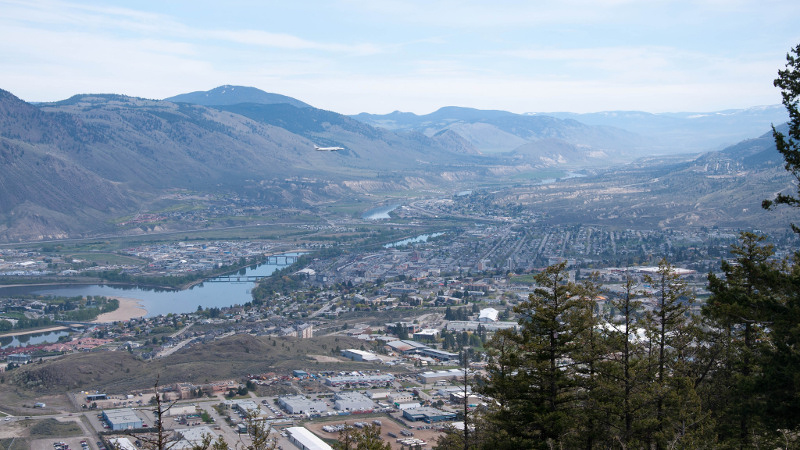
The agreement between the province and the five member communities of the Nlaka’pamux Nation Tribal Council involves setting up a board that will lead this process, with an immediate focus on forestry and mining. Nlaka’pamux territory – covering territories surrounding Ashcroft, Boston Bar and Yale – includes Teck Resources’ Highland Valley Copper Mine, which employs 900.
The province is clearly hoping this new model will be a success, investing just over half a million dollars for the 18-month pilot project.
It’s of course far too early to tell if this new setup will help resolve conflicts stemming from First Nations’ deep-rooted and legitimate concerns regarding resource development in their territories. But seeing some innovation in this area is very welcome, and we wish the project the best of luck.
More info: