BC’s energy policies need to evolve and evolve fast.
The energy deficit in this province is being exacerbated by contradictory clean energy mandates and the gap between 2025 climate plans and reality.
The BC government just paused the electric vehicle (EV) rebate. Meanwhile, BC Hydro is planning to power 500,000 new homes. Both have only made it more urgent to get to the bottom of the deeper policy problems facing our province.
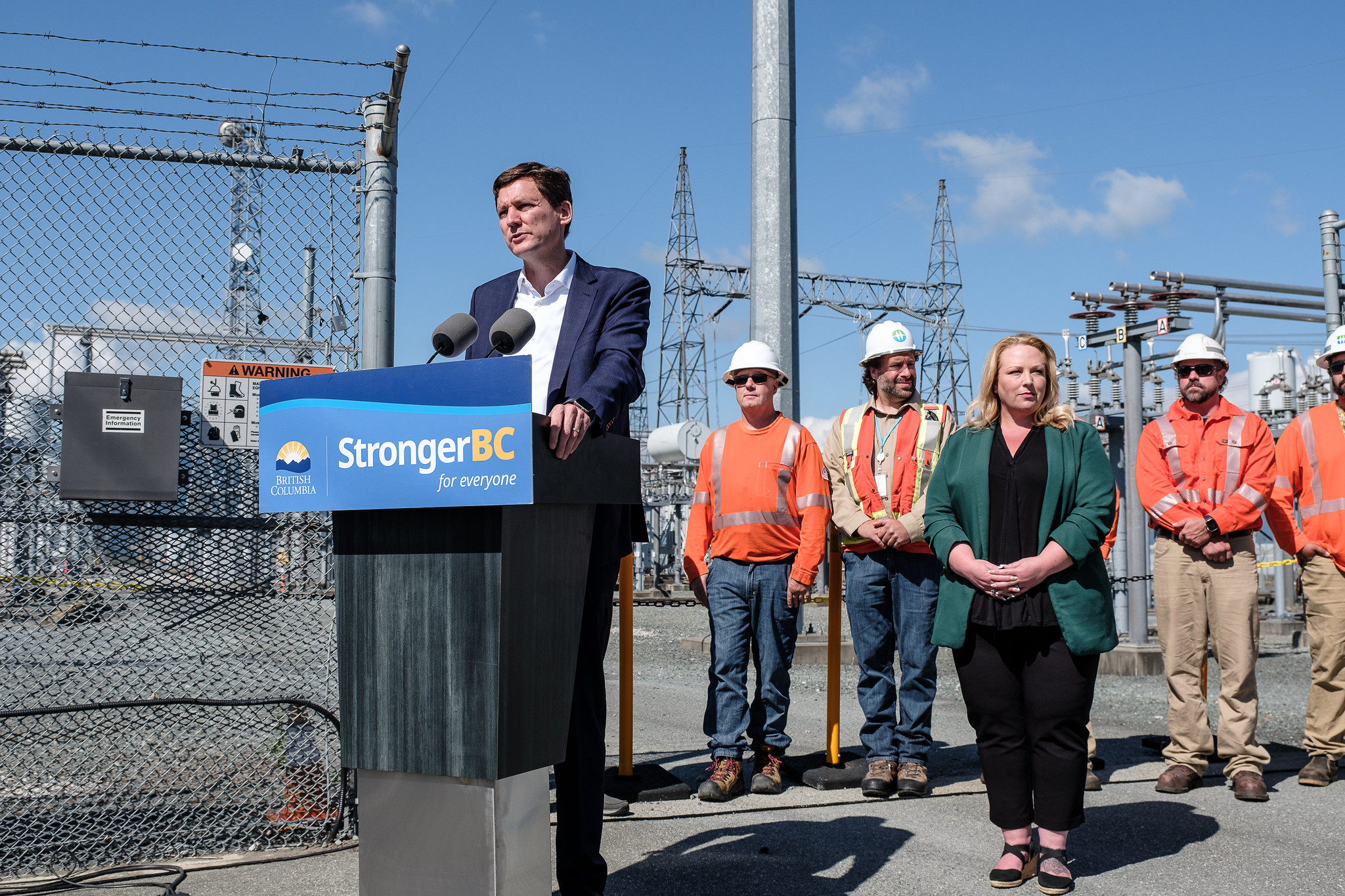
Premier David Eby and his government have committed to aggressive greenhouse gas (GHG) reduction targets. But those targets, cutting emissions to 16 percent of 2007 levels by 2025, are impossible to meet.
In fact, emissions are going up despite billions of taxpayer dollars being spent on clean energy initiatives like the EV rebates, new heat pump incentives for homes and strict building codes to eliminate natural gas power and heating.
The recent halt of the provincial EV rebate highlights a bigger issue. Despite the rebates being critical to EV adoption and covering about half the premium of electric vehicles compared to traditional gas-powered cars, the government yanked the funding just as the federal government did. So there was an immediate drop in EV sales from 23 percent to 18 percent of new car sales.
At the same time, the province’s EV sales mandates still require 26 percent of all car sales for the 2026 model year, including those already on dealer lots, to be electric. Automakers face a heavy fine per vehicle if those mandate requirements aren’t met.
The contradiction between the consumer rebate and the sales mandate will punish middle and lower-income BC residents who have few incentives and higher costs.
And BC Hydro is looking to power 500,000 new homes. This is at odds with the provincial government’s narrative on energy self-sufficiency.
BC imports two and a half times the energy output of the Site C dam every year and we import way more energy than we export. Much of that imported energy is from fossil fuels, including American coal-fired plants.
The province can’t seriously claim to be a leader in clean energy when we’re importing high-emitting energy that we’re phasing out here at home.An energy crisis of both cost and supply is coming for BC. The province’s policies are creating demand through the electrification process as EV mandates and natural gas phaseouts strain BC Hydro.
Many alternatives have been eliminated without consideration. Natural gas is being phased out and the Clean Energy Act of 2010 made nuclear power illegal.
Intermittent renewables like wind and solar have to fill the gap but their lack of supply and unreliability make them poor fits for this task.
And the cancellation of contracts for natural gas power plants like the Island Generation plant in Campbell River. Natural gas has proven to be critical during peak demand. Without these plants, BC’s energy stability is precarious especially during extreme weather.
Renewable energy expansions need to include storage or backup from traditional sources like natural gas.
It’s time for an energy reset. This means policies that align with reality not ideology. EV mandates must reflect market conditions and be affordable.
There is no time to waste, because the world is already changing faster than government policies can keep up.
Barry Penner is chair of the Energy Futures Institute, former president of the Pacific Northwest Economic Region and former four-term B.C. MLA and cabinet minister.