Wildfires consumed Lytton, British Columbia, in June 2021 after temperatures reached 49.6°C. Residents faced a devastating double threat: consuming flames and blackouts. The same extreme conditions that sparked the blaze also pushed electrical systems beyond their limits. In those critical hours, the difference between tragedy and survival often came down to the courage of utility technicians racing into danger zones and the preparedness of communities who refused to wait for someone else to save them.
Where Fire Meets Power
Canada’s 2023 wildfire season burned over 18.5 million hectares—an area larger than all of Atlantic Canada combined.¹ But statistics can’t capture the human reality of utility workers making split-second decisions about when to shut down transmission lines and when to risk their lives keeping critical services online.
In Yellowknife, the Northwest Territories, evacuation orders forced 20,000 residents to flee, as power crews worked through smoky conditions to maintain electricity for essential services. Water treatment plants, hospitals, and communication systems depend on reliable power. When wildfires threaten the grid, utility workers become first responders in a battle most Canadians never see.
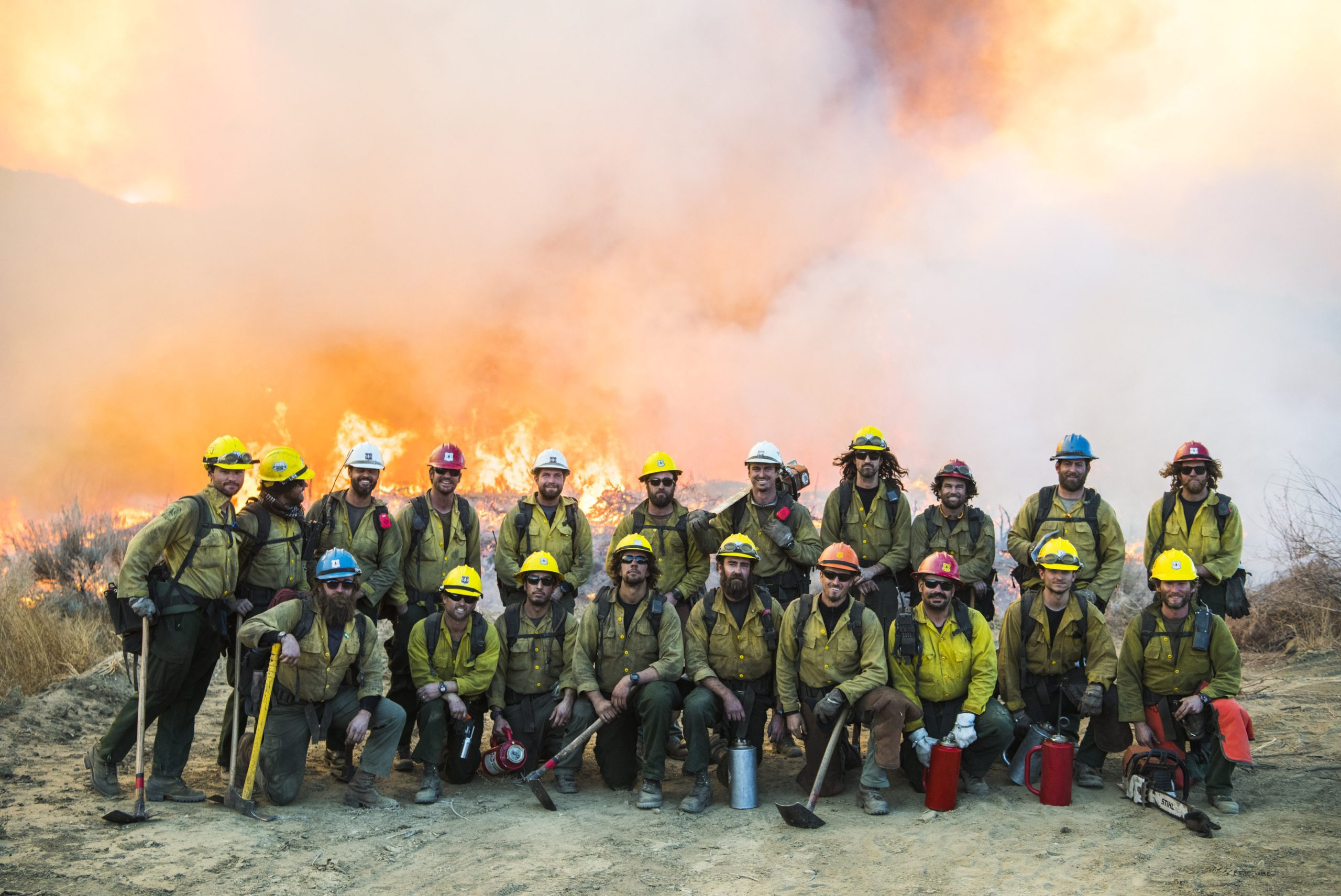
The relationship between firefighters and electrical workers has evolved from mutual avoidance to active collaboration. In some regions, these professionals now train side-by-side, learning how to coordinate operations when power lines become both hazards and lifelines. Firefighters need to understand electrical risks while power workers must recognize fire behavior patterns that threaten their infrastructure.
Community-Driven Solutions
The Métis communities in Northern British Columbia aren’t waiting for government programs to protect their energy security. They’re installing remote cut-off systems and early-warning technology that allows them to disconnect power lines before fire reaches critical infrastructure. These systems prevent electrical equipment from becoming ignition sources while protecting workers from unnecessary risks.
This community-led approach reflects a broader trend toward local energy resilience. When centralized systems fail during emergencies, communities with local capacity and equipment can maintain essential services until broader recovery efforts reach them. The investment in local electrical knowledge and equipment becomes insurance against extended outages.
Teachers and local leaders are building energy literacy programs that prepare youth for emergency response roles. These programs go beyond basic electrical safety to include system operations, emergency protocols, and community coordination. Young people learn to read grid maps, understand power flow principles, and operate backup generation equipment.
Infrastructure Under Siege
Utility infrastructure faces increasingly complex threats as climate change intensifies wildfire conditions. Higher temperatures dry out vegetation earlier in the season, while changing precipitation patterns create longer fire seasons. Wind patterns that once reliably dispersed heat and smoke now create unpredictable fire behaviour that challenges traditional suppression strategies.
Power lines themselves can become ignition sources during extreme weather events. When high winds bring tree branches into contact with energized conductors, or when equipment fails under thermal stress, electrical systems can spark the very fires that threaten them. Utility companies are investing in buried cables, fire-resistant poles, and automated shutoff systems, but these solutions require years to implement across thousands of kilometres of transmission lines.
The challenge extends beyond equipment to workforce safety. Utility workers must assess electrical hazards, fire risks, and access routes simultaneously. Traditional safety protocols designed for routine maintenance don’t always apply when smoke reduces visibility and fire changes wind patterns unpredictably.
Innovation Through Necessity
Volunteer crews clearing brush around substations represent more than community service—they’re implementing critical infrastructure protection that utilities often lack resources to maintain. These local efforts create defensible space around electrical equipment while building community understanding of grid vulnerabilities.
Some communities are developing hybrid approaches that combine professional utility services with local volunteer capacity. Trained volunteers can perform basic maintenance, monitoring, and emergency response while professional crews focus on specialized technical work. This model spreads expertise more broadly while reducing response times during emergencies.
The integration of Indigenous fire management practices with modern utility operations offers another promising approach. Traditional burning reduces fuel loads that threaten power lines while maintaining ecosystem health. Indigenous communities bring centuries of fire management knowledge that can inform modern wildfire prevention strategies.
Building Antifragile Systems
Energy resilience isn’t just about hardening infrastructure—it’s about building systems that become stronger through stress. Communities that have faced repeated wildfire threats are developing adaptive capacities that serve them well during various emergencies.
Local electrical knowledge, backup equipment, and community coordination skills developed for wildfire response also prove valuable during ice storms, floods, and equipment failures. The social infrastructure—relationships between utility workers, firefighters, emergency managers, and community volunteers—becomes as critical as physical infrastructure.
Canada’s energy future will depend on communities willing to fight to keep the lights on. This means more than installing better equipment; it means building the human capacity to operate, maintain, and protect energy systems under increasingly challenging conditions.
The Resilience Imperative
Climate change isn’t a future threat to Canada’s electrical grid—it’s a present reality requiring immediate adaptation. The communities that have learned to coordinate firefighting and power restoration efforts aren’t just protecting themselves; they’re pioneering approaches that all Canadians will eventually need.
As extreme weather becomes routine rather than exceptional, the distinction between emergency response and normal operations will continue to blur. The skills, relationships, and equipment that keep communities powered during crises will become standard requirements for energy security.
The choice facing Canada is clear: we can build energy systems that acknowledge climate realities and empower communities to protect themselves, or we can maintain centralized approaches that leave millions vulnerable to extended outages. The people standing in the smoke and sparks have already made their choice.
¹ Canadian Interagency Forest Fire Centre, National Wildland Fire Situation Report, Final 2023