We start with vision. Then we lose the plot.
In Canada, we have a peculiar habit when it comes to nation-building. We start strong — a vision for energy corridors, a new port, a transmission line. And then, somewhere along the way, we lose the thread. Reviews multiply. Consultations drag on. Regulatory regimes stack like firewood. Politicians, sensing risk, step back instead of forward.
Suddenly, what once felt inevitable now seems impossible. The result? Paralysis disguised as process.
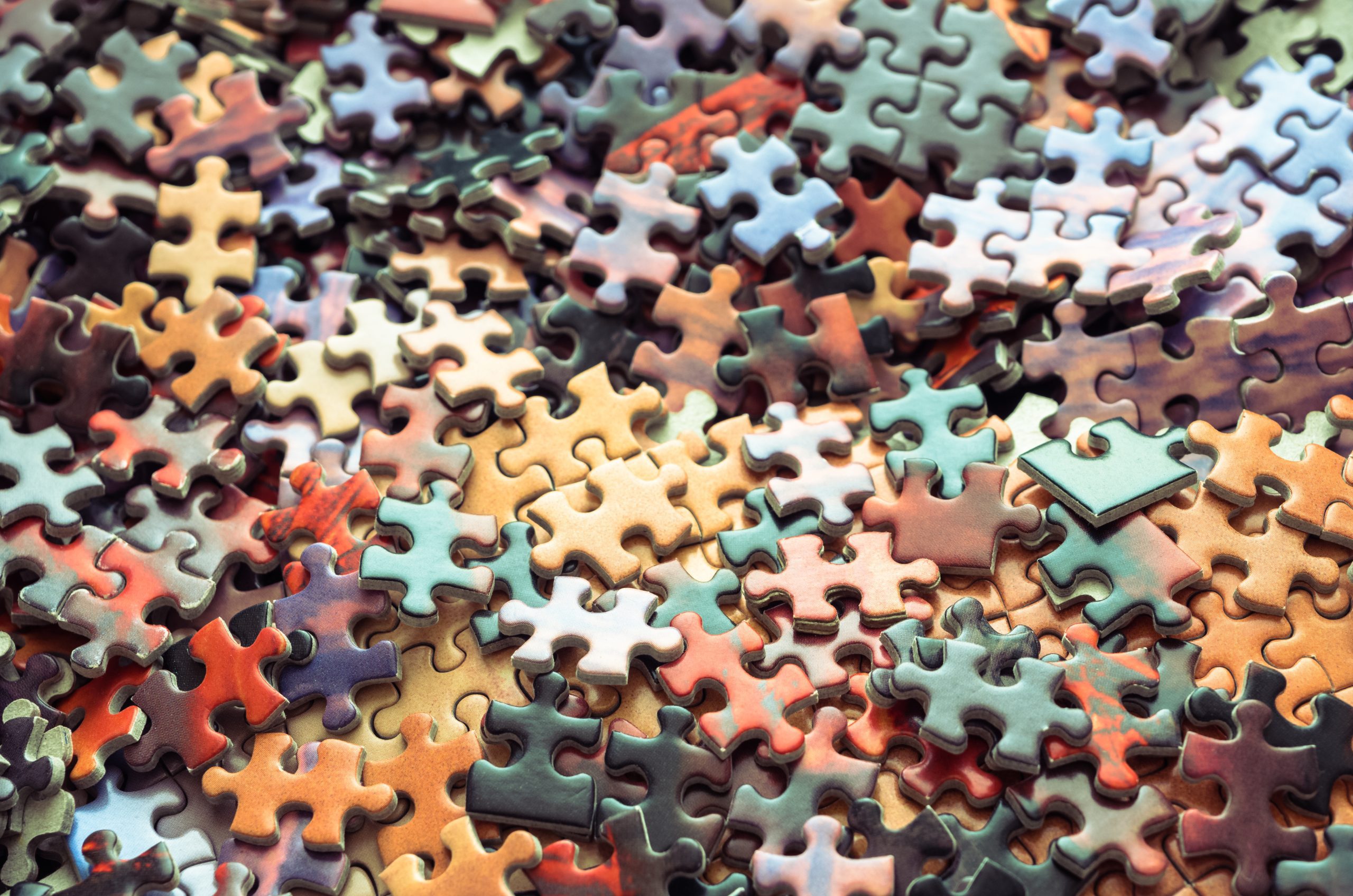
What’s in the box? A thousand jagged pieces.
Major projects remind me of a jigsaw puzzle.
Not the finished kind you frame and admire. The messy kind, fresh from the box. Inside: chaos. A thousand jagged pieces. No order, no obvious starting point. The whole thing feels overwhelming.
How could this ever become that?
But then — you remember the lid.
We chose this puzzle. For a reason.
The image on the box is why we bought it. A coherent picture. Something worth building. A vision that made sense before the pieces were even touched.
Canada has that, too. Energy security. Climate solutions. Indigenous equity. Trade that strengthens allies and creates wealth at home. A future of purpose, not drift. That’s the image on our lid.
The danger isn’t in the pieces. It’s in forgetting the picture.
Pipelines, LNG terminals, new mines — the complexity is real. But it’s not a reason to give up. It’s a test of whether we still believe in the image we set out to build.
The danger is we forget it entirely. We get so caught up in the parts that we lose sight of the whole. People give up. Leaders hedge. Projects stall. And slowly, the pieces go back in the box.
A dozen years ago, there was a vision to grow Canada’s prosperity by finding new markets for our most prized commodity export, a move that would give us price negotiating power with the United States, having long been a price taker country. The Trans Mountain pipeline expansion would support Canada’s quality of life while protecting the environment. If that situation was a jigsaw puzzle, the sunset scenic here of Vancouver was the picture on the box. Then off came the lid and so began a decade of complexity, conflict, frustration and wildly improbable outcomes. Eventually, improbably, all of the pieces were fitted together and guess what? The photo on today’s lid is even better. National wealth has increased. Maritime protections not just for increased oil tanker traffic are in place that benefit everyone, which we could not have afforded otherwise. Unlikely voices are saying: You know what, maybe we should do it again.
We can still finish the puzzle. If we remember why we started.
Building major projects is messy. So is democracy. But that doesn’t mean we stop. It means we start with what matters. We get the edges in place. We bring in the hands who know how to help. We let the picture guide us.
And we remind ourselves — the future we chose is still possible. We just have to build it.