AI was front and center at the Global Energy Show in Calgary from June 10-12, turning the exhibition floor into a showcase of how smart tech is changing energy. With zones dedicated to Digital, Artificial Intelligence & Automation, the BMO Centre was buzzing with talk of machine learning, predictive operations, robotics and more. AI isn’t just a trend; it is here to stay and growing fast.
From over 500 exhibitors, OPX Ai stood out by showing how their integrated AI-powered IOC solutions can free field teams from reactive firefighting. The company has developed innovative new tools that integrate with SCADA systems, detect anomalies in real time and tune artificial lift systems, all backed by decades of upstream experience. The goal is simple but clear: make AI augment human intuition, make foremen more effective and turn operations into data-driven, proactive systems.
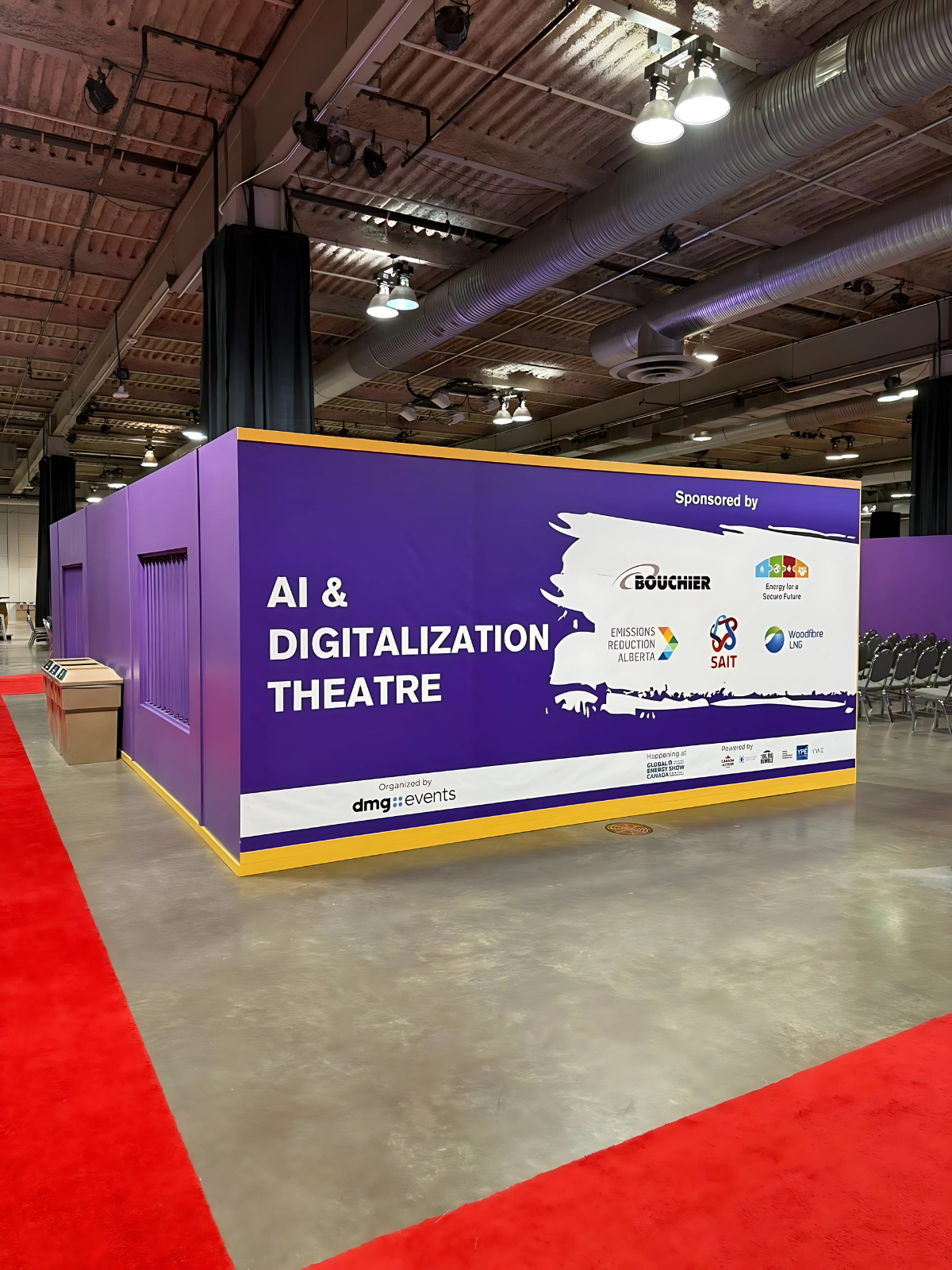
The impact of AI went far beyond OPX Ai’s booth. The Global Energy Show’s “AI & Digitalization” Influencer Hub and theatre provided a platform for thought leaders to talk about how AI is rewriting the rulebook in energy. These sessions reinforced a bigger theme: the industry is moving from purely gut-based management to smart automation, backed by analytics and continuous monitoring.
Among the many exhibitors, OPX Ai was listed on the official exhibitor lists and social media posts, along with others focused on oil & gas and AI, showing Calgary is the energy-tech convergence hub.
Minister Rebecca Schulz’s remarks confirmed Alberta’s goal to lead in this new reality, combining production growth with emissions reduction through geological assets, expert talent and technology. This is what the Calgary show looked like: AI is no longer hypothetical in energy and resources, it’s already deployed.
In upstream oil and gas, companies like BP, Devon, Chevron and Imperial Oil reported in 2024–25 that AI is guiding drill bits, piloting drilling in previously inaccessible zones, using drones for inspection, and integrating generative AI into operations and maintenance workflows. Drones flying over shale fields and rigs with machine-learning sensors are boosting uptime, safety and capital efficiency. Reuters noted that operators are drilling more wells per year, drilling faster and exploring previously unfeasible zones thanks in part to AI guidance.
In mining and the broader natural resources sector, AI is causing seismic shifts. AI-powered autonomous haulage, edge computing, predictive maintenance and autonomous vehicles are improving safety, sustainability and cost efficiency.
Insight Ace Analytics reports the AI market in mining and natural resources was worth USD $5.4 billion in 2024 and will grow at 20 percent Compound Annual Growth Rate (CAGR) to over USD $35 billion by 2034. Players ranging from the University of British Columbia and consulting firms like BCG X are launching data-literate mining research and AI-based operations systems, moving toward full lifecycle integration. From exploration and design to waste management and reclamation.
The show was more than tech; it was a mindset shift. Petrol-industry executives say digitalized operations are moving from novelty to necessity. An era of “digitalization or decline” is upon them, and if they don’t adapt, they’ll fall behind . OPX Ai’s focus on change management, training personnel, reorienting workflows, aligning KPIs and celebrating early wins, reflects what experts say is key: technology must be matched by human buy-in.
On the Calgary show floor, AI was more than a buzzword, it was a full ecosystem. From OPX Ai’s exhibition to influencer panels and theatres, everyone from foremen to CEOs could see how AI is changing energy and resources. The message was clear: the future of energy is intelligent, integrated and insight-driven.