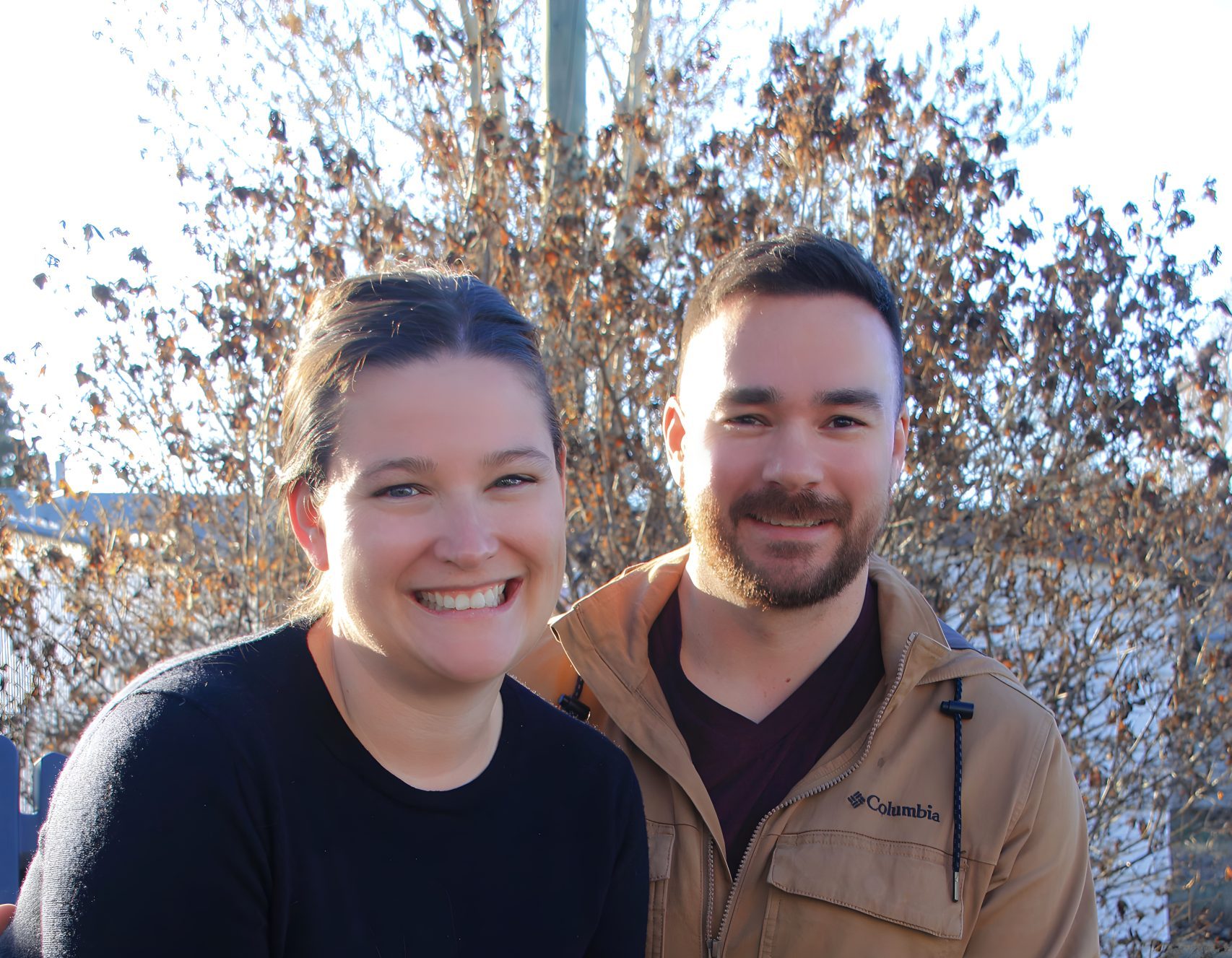
Amy Fraser starts most mornings the same way – wrangling two young children while her husband Tanner packs their lunches, to get them off to school.
She and her husband Tanner are raising their family, and a dog named Fiona (affectionately known as “Fifferdoodle”) in Fort St. John, a city perched on the edge of the boreal forest in northeast British Columbia, where the rhythms of life are shaped by long winters, big sky, an abundance of recreation and the ever-present hum of opportunity.
“My husband grew up here, but I moved up from Kelowna for the weather…just kidding, I had an amazing work opportunity,” Amy says with a laugh. “Sometimes I consider leaving, but we have found a place that is full of heart, and that type of place is where we want our kids to grow up.”
Tanner works in the oil and gas sector, and Amy, with a background in communications, brings her skills to the energy regulator’s efforts to connect the dots between industry, environment, and the public. Their life is a balancing act—between family and work, industry and nature, stability and change.
A town where industry and identity intertwine
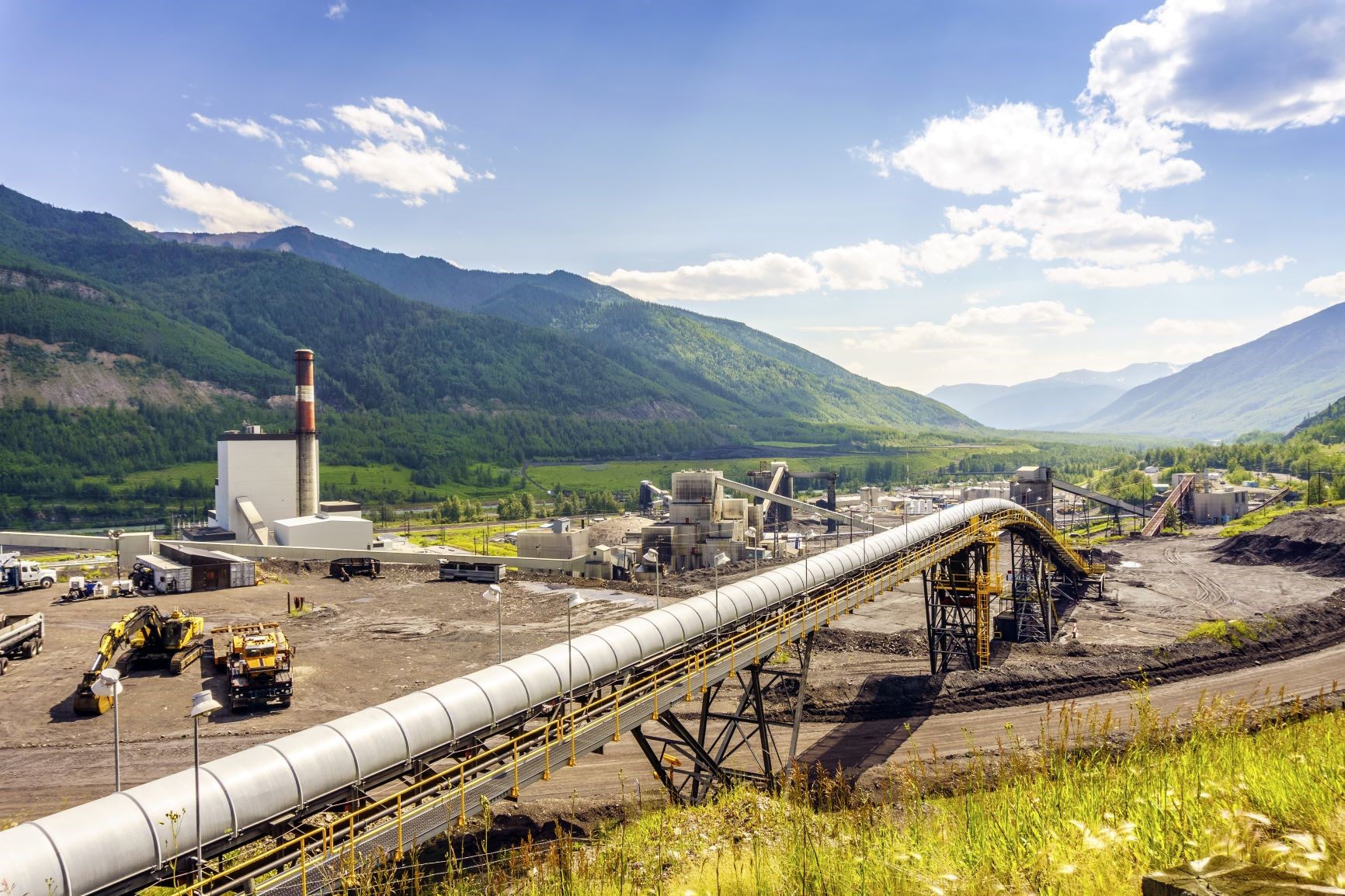
Fort St. John, often shortened to FSJ, a town celebrated for its family-friendly atmosphere, cultural diversity, and respect for Indigenous traditions, where industry is woven into daily life. Fort St. John is a town that wears its work boots with pride. It’s powered by resource extraction, shaped by agriculture, and increasingly influenced by emerging energy projects like wind and hydrogen.
For Amy, the town’s identity is inseparable from the people who live and work there.
“This place runs on community spirit,” she says. “We have community fundraising for families in need, people volunteering for sporting events, supporting food banks and stepping up when it counts. Fort St. John might be a little rugged, but its people are generous.”
Amy’s one of those volunteers—coaching soccer, helping at her children’s preschool, and showing up for neighbours. It’s the kind of small-city life where you see the same faces at the grocery store, the hockey arena, and the local fundraisers.
But FSJ isn’t without its challenges. A transient population, limited healthcare access, and aging infrastructure test the community’s resilience. Local initiatives, including winter festivals and community gatherings, foster a sense of belonging and unity among residents. But concerns remain about provincial investments in infrastructure like highways and bridges that may be the only route out of town in the event of a wildfire.
“Our region’s contributions to the province are significant,” Amy asserts. “We are hardworking people who understand the evolving dynamics of the industry and are working to put heat, electricity, air conditioning, etc. into the homes of the rest of the province – often in trying conditions and at the sacrifice of our own families. It would be nice if that was recognized more broadly.”
“We don’t expect special treatment,” Amy says. “People here are doing the work that powers British Columbia, and they deserve to be seen and appreciated.”
“We don’t expect special treatment,” Amy says. “But we do expect respect. People here are doing the work that powers British Columbia, and they deserve to be seen and appreciated.”
More than just a job
Amy’s life in FSJ gives her a front-row seat to the complexities of modern resource development. She sees firsthand the tightrope walk between growth and environmental stewardship.
“Industry is not solely about profit,” she explains. “It is about ensuring the resources we extract lead to a better quality of life while safeguarding our natural surroundings. From supporting local sports teams to funding environmental and archaeological restoration projects, industry gives back to our community.”
The narrative that often plays out in southern media—industry versus environment—doesn’t reflect the lived reality of people like Amy, who are raising families on the front lines of that very conversation.
“People think energy comes from that outlet in the wall. It comes from your neighbours up here in the north, doing our very best for a province we love in a community we love,” she explains.
Looking to the horizon
Despite the pressures, Amy is optimistic about Fort St. John’s future. She sees opportunity not just in oil and gas, but in renewables, infrastructure development, and a growing sense of local pride.
“Our story isn’t just about extraction—it’s about innovation, community, and resilience,” she says. “And it’s about families like ours who are choosing to stay, to build, to invest in the north.”
Ask Amy what she wants people elsewhere in the province to know, and she doesn’t hesitate.
“My family is proud to contribute to British Columbia’s growth,” she says. “The commitment to our community and the environment shows this city and its residents are more than industry workers—we also care about our landscape, because it is literally our backyard and our playground.”
About the author:
Julie Rogers coordinated and conducted interviews across Northeast BC, distilling perspectives into clear, compelling stories that ground our report in lived experience. Julie Rogers, APR, is an award-winning communications strategist, speaker, and trainer, with 20 years’ experience in municipal government communications. Having lived and worked in communities across Northeast BC, she understands the people and projects that fuel Canada’s resource economy. As principal of Julie Rogers Consulting, she helps organizations craft plain-language communications strategies, design inclusive engagement plans and turn complex issues into stories that build trust.
This profile is part of the series commissioned for Resource Works’ Shaping the Peace report, a socioeconomic study of Northeast British Columbia.