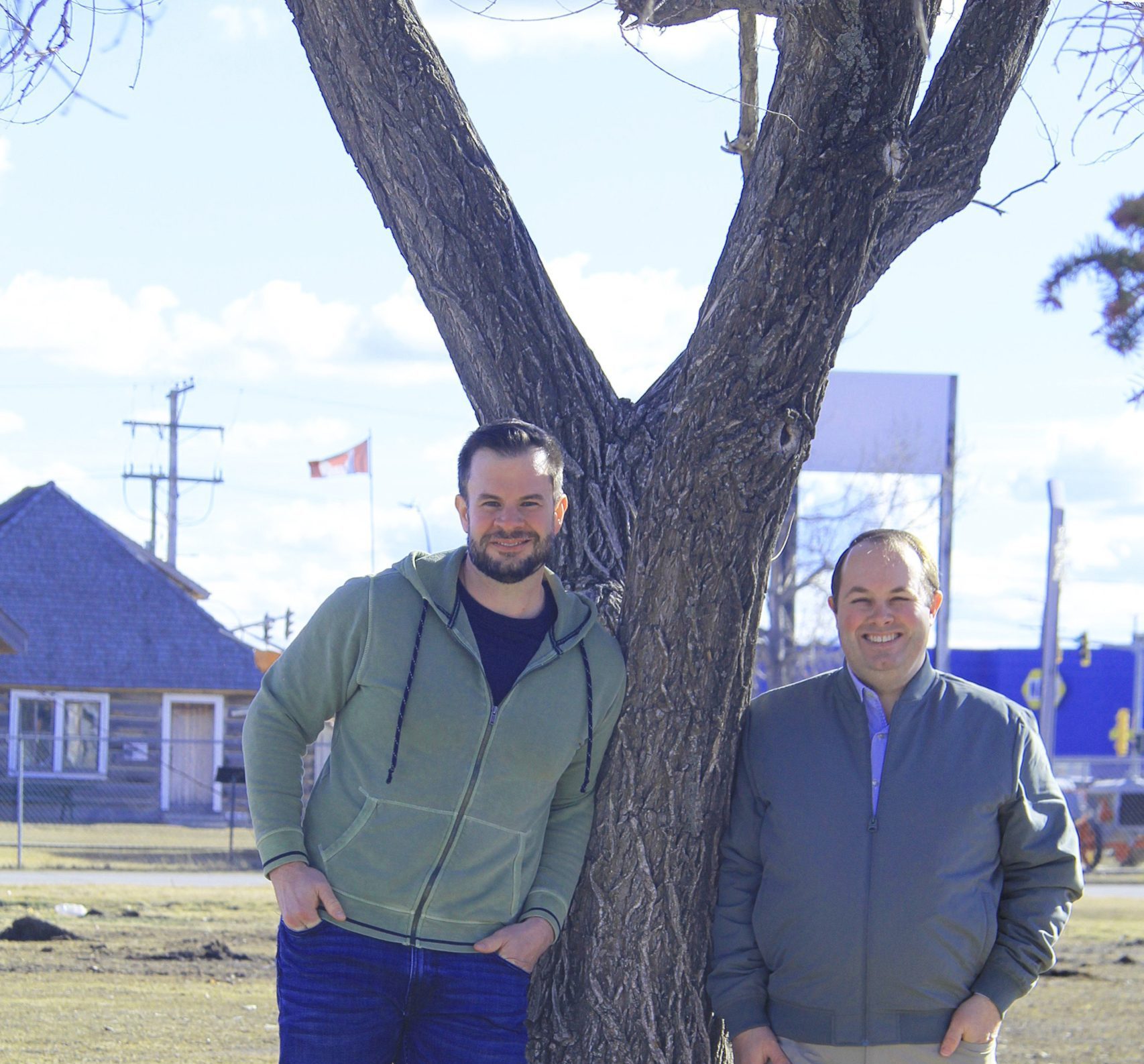
Fort St. John stands as a dynamic example of economic resilience and cultural vibrancy in Northeast British Columbia—a region that challenges outdated stereotypes of rural isolation. Lyle Goldie, a charismatic local whose journey from Alberta to Fort St. John mirrors the area’s transformation, embodies the entrepreneurial spirit driving its success. “I handle negative 40 better than negative 5 in Vancouver,” Lyle jokes, “It’s a dry cold.” This perfectly captures both his rugged outlook and his infectious sense of humor.
Raised in Alberta and with deep roots on a Saskatchewan family farm, Lyle arrived in Fort St. John in 2015 when oil prices plunged and work in archaeology dried up. “I got a six‐month job offer here and thought, why not give it a try?” he recalls with a wry smile. In other places archaeological work is seasonal but in northeast BC the resource industry needs it year-round. Nearly a decade later, Lyle works from home in the public service sector—a role that allows him to shape community relationships while enjoying a lifestyle many only dream of.
A typical day for Lyle starts well before sunrise. “I get up at 4:30 every morning to hit the gym,” he explains, adding with a chuckle, “It’s not exactly an easy routine, but it gets the job done.” His rigorous schedule includes training for a bodybuilding competition —a testament to his discipline and an amusing counterpoint to the laid-back image of a resource town. Living with his partner James—whom he met right here in Fort St. John—Lyle values the simplicity of short commutes, a local housing market that makes home ownership attainable, and the freedom to build a full life outside of work. “Here, you can own a house and actually enjoy life outside of your mortgage,” he notes.
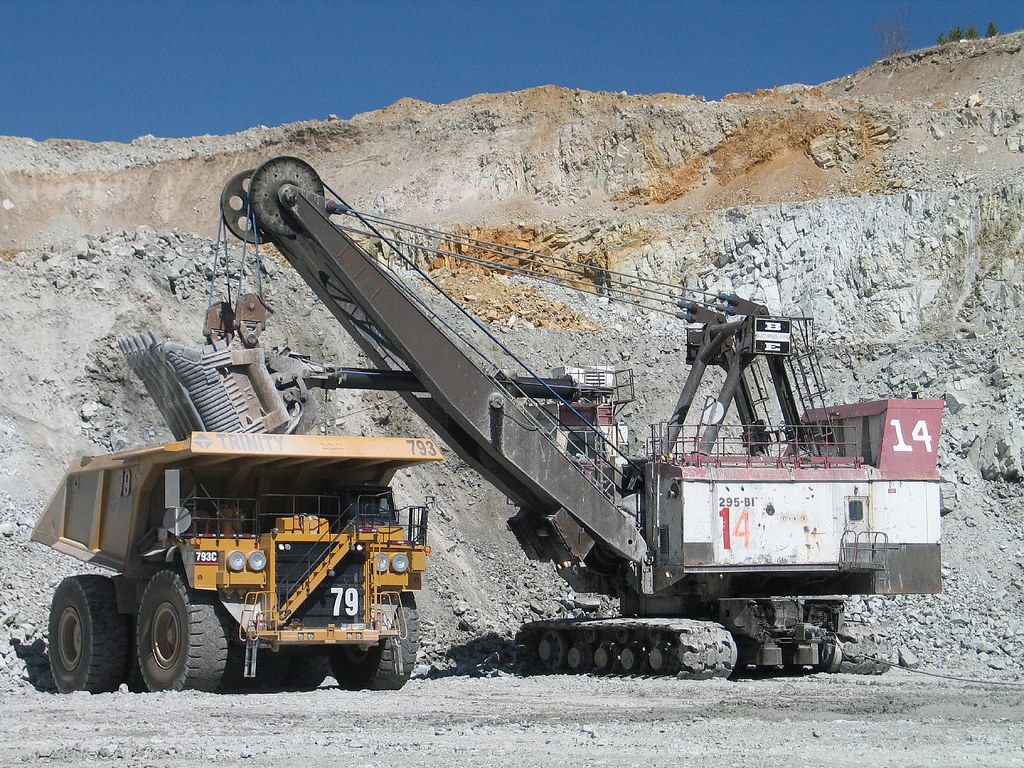
Beyond its economic opportunities in hydro, wind farms, forestry, and oil and gas, Fort St. John is a community rich in cultural diversity and inclusivity. “We have cold hands but warm hearts,” Lyle quips—a phrase that perfectly encapsulates the spirit of the region. With many cultural communities represented and robust, collaborative partnerships with local First Nations, the community is far more than the outdated image of a remote, conservative outpost. Lyle’s active involvement in organizations such as the North Peace Pride Society, the Arts Council, and the Historical Society not only strengthens community bonds but also highlights the vibrant arts and cultural scene. “When you see a local drag queen owning the stage at our pride events, it reminds you that Fort St. John is anything but dull,” he enthuses.
Despite challenges such as economic uncertainty, divisive social media rhetoric, and a shortage of health services, local initiatives continue to reinforce the community’s strength. “We might have our ups and downs, but our go-getter attitude makes every win that much sweeter,” Lyle observes. He advocates for further investment in infrastructure, deeper partnerships with indigenous communities, and robust environmental rehabilitation projects to ensure sustainable growth.
Fort St. John offers a compelling lesson in how resilience, innovation, and a hearty dose of culture can propel a region to outperform its peers. “At the end of the day, we’re all just paying our bills and living our lives,” Lyle concludes with a smile. “But here, we do it with a resilient attitude and a whole lot of heart.”
About the author:
Julie Rogers coordinated and conducted interviews across Northeast BC, distilling perspectives into clear, compelling stories that ground our report in lived experience. Julie Rogers, APR, is an award-winning communications strategist, speaker, and trainer, with 20 years’ experience in municipal government communications. Having lived and worked in communities across Northeast BC, she understands the people and projects that fuel Canada’s resource economy. As principal of Julie Rogers Consulting, she helps organizations craft plain-language communications strategies, design inclusive engagement plans and turn complex issues into stories that build trust.
This profile is part of the series commissioned for Resource Works’ Shaping the Peace report, a socioeconomic study of Northeast British Columbia.