As Canada heads into 2026, questions about energy are set to dominate politics, the economy, and our daily lives. The Power Struggle podcast wants to keep the focus on one big theme: solving the energy trilemma of security, affordability, and sustainability.
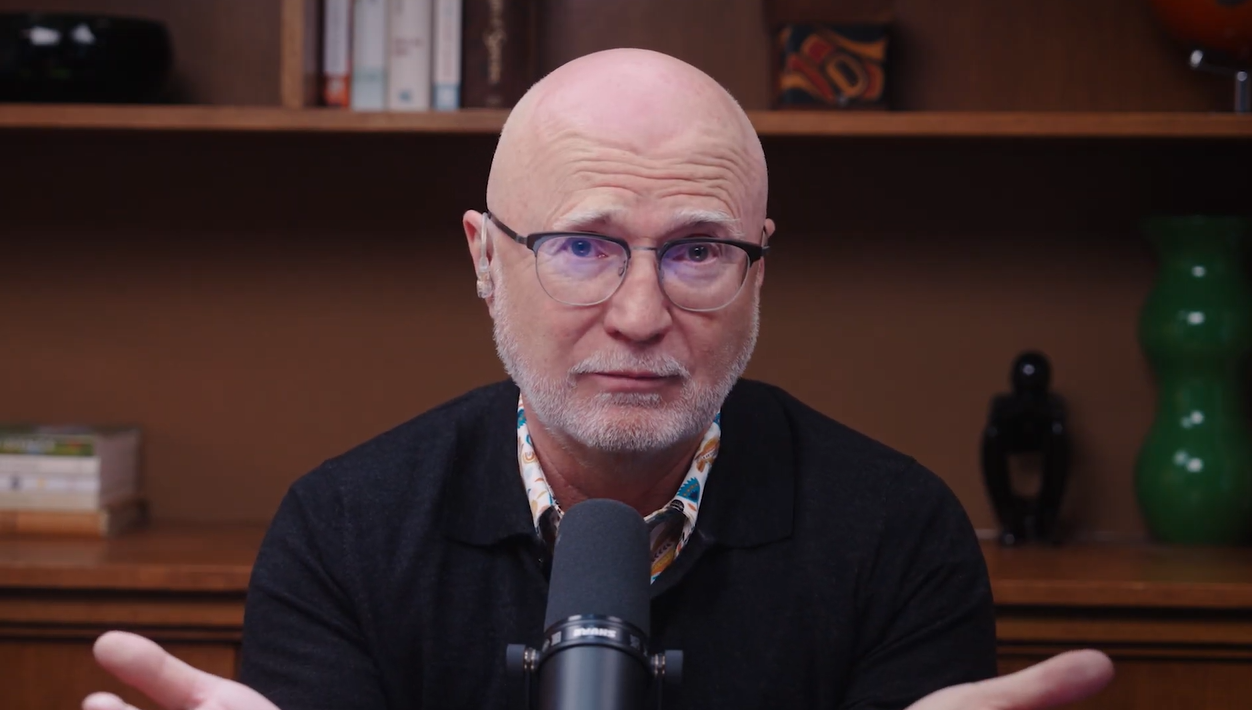
The series, hosted by Resource Works founder Stewart Muir, is speaking to the persuadable middle with expert voices who speak clearly, without jargon, and with hard facts about how energy systems work in people’s lives.
One star example from last season is University of Ottawa scholar Monica Gattinger. On her appearance, Gattinger hammered home the need for a “durable balance” across sustainability, affordability, competitiveness, and security and reliability of the energy supply.
That balance, she said, rests on clear and predictable policy and regulatory frameworks that unlock investment. She pointed out that public opinion has shifted in favour of scaling up energy and resource projects, especially in the wake of cost-of-living concerns that eroded support for consumer carbon pricing. However, Gattinger said that Canadians still want strong environmental performance from new projects.
Other high-profile guests have included former BC premier Christy Clark, who spoke with Muir about why Canada must create “new wealth,” that natural resources, critical minerals, semiconductors, and clean energy can be leveraged to fund priorities like health care and education.
Clark’s prescription is practical. She calls for harmonising federal and provincial reviews, setting firm timelines, delivering certainty on treatment and taxation, and holding regulators accountable so investors can see a path to yes. On liquefied natural gas, she says Canada squandered a decade of opportunity, though LNG Canada survived and will demonstrate measurable economic benefits once fully online.
For climate, she expanded on how LNG that displaces coal in Asia is a real win for emissions reductions, and that Canada must help its allies cut their emissions with energy and technology made here. Clark also tied durable growth to economic reconciliation with First Nations holding land rights, equity, and decision-making roles so communities can build wealth and infrastructure on their own terms.
Veteran journalist Terry Glavin was another signature guest, who broadened the conversation to include energy sovereignty. Regarding Canada’s spring election, Glavin says that the discussion should have focused on building for domestic stability first, as well as interprovincial trade, rather than pipelines for their own sake.
Glavin warned that Canada is at risk of being pulled between the United States and China, and that aligning with the latter risks giving Beijing more leverage over Canada. Like Clark, he backs LNG shipments that can displace coal in Asia, and wonders why Canada has not been supplying Europe with LNG to displace Russian gas.
Power Struggle’s coverage takes a hard look at innovative energy technologies that have not yet reached their potential. For example, hydrogen has real promise for B.C., but the economic situation has resulted in the suspension of hydrogen plants in cities like Prince George.
One of the most salient issues facing British Columbians this fall is the question of electric vehicles and the provincial government’s incentives that have not lived up to their promise. Aggressive EV sales mandates have been launched without investments into grid capacity and charging infrastructure, and recent sales have dropped dramatically.
Power Struggle has zeroed in on this too, comparing it to California’s difficulties with pushing EVs and the lessons for B.C. The takeaway for viewers is not to take an anti-EV position, but to be pro-reality. Infrastructure has to be built in alignment with the incentives, and the government has a responsibility to be honest with consumers about the cost.
In the final quarter of 2025, there will be no shortage of topics that Power Struggle will tackle with host Stewart Muir. Ottawa is ostensibly pivoting towards major projects like LNG, and Canada will be tested on whether or not it can still deliver on major projects.
Power Struggle has a simple pitch: Canadians are more comfortable acknowledging that modern life requires all kinds of energy for now, and they want to know the underlying causes of prices, projects, and politics. The job of commentators is to provide a clear lens with relatable experts so ordinary people and decision-makers can tell the difference between theatrical promises and executable plans.
The coming episodes will keep testing ideas that can actually balance the energy trilemma, get projects built, and improve people’s daily lives.
Be sure to check out the latest episode of Power Struggle here.