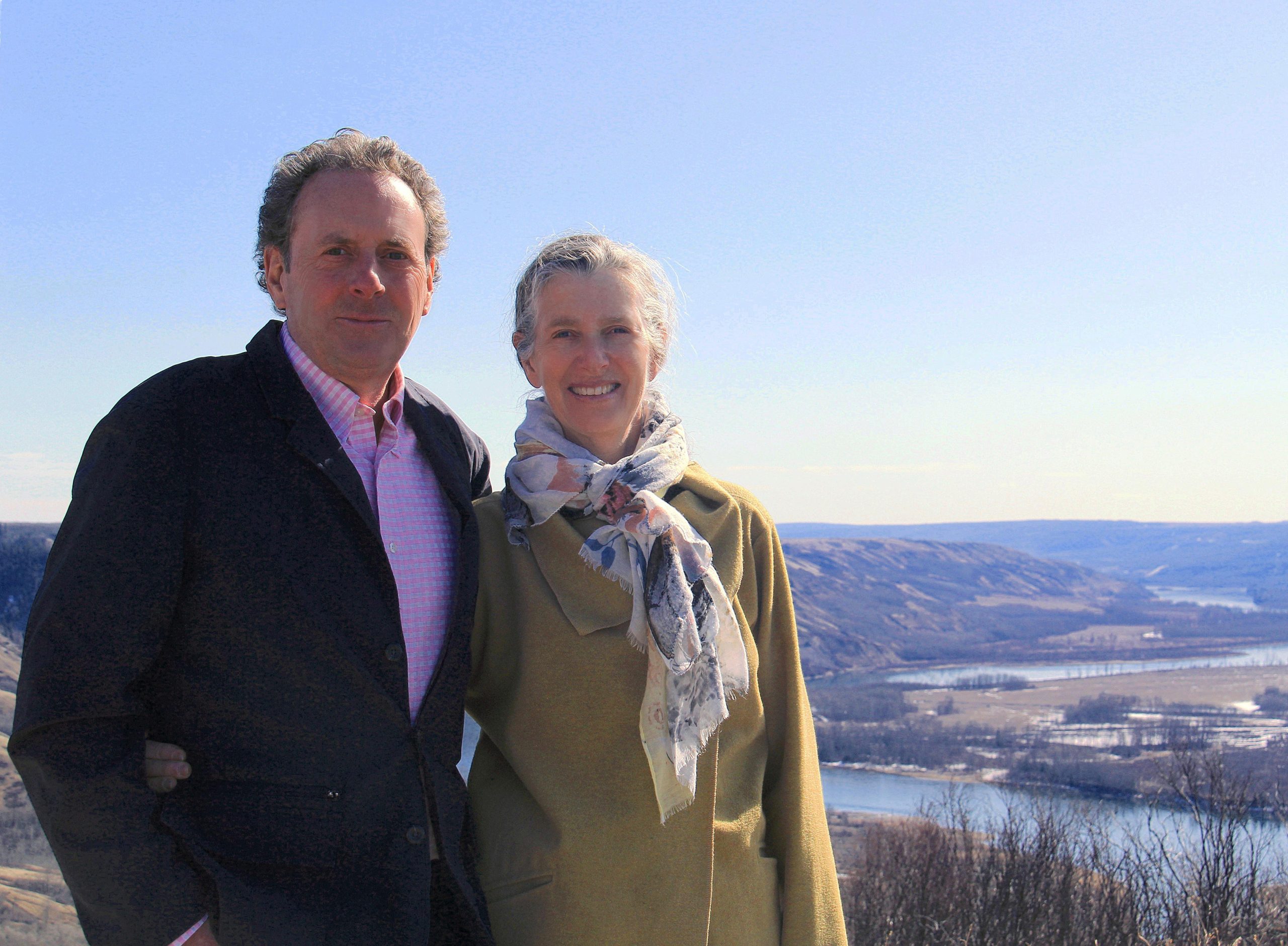
For nearly 25 years, Fort St. John has been more than just home to Edward Stanford and his wife Eliza Massey Stanford—it’s been an adventure. A longtime resident of Northeast BC, Edward reflects on his journey with a mix of pride and excitement, sharing insights that illuminate the unique blend of community spirit, industrial vigor, and quality of life that defines the region.
Originally from West Vancouver, Edward and his wife, Eliza, made the leap to FSJ with their two toddlers. “We moved for the adventure first, and the work came along second,” he recalls. It was a decision rooted in a deep family connection to the North (the Stanton Territorial Hospital, NWT, is named for his maternal grandfather). With both a personal and professional commitment to the region, Edward’s career as Community Catalyst at Urban Systems Ltd/ Urban Matters CCC allowed him to engage directly with municipalities and First Nations communities across the Peace and Northern Rockies—a network that now spans decades of growth and innovation.
Even after retiring from his full-time role, Edward remains actively involved on a contract basis, selecting only the most interesting projects mainly with Doig River First Nation, Blueberry River First Nations, and a few municipalities. Mentoring young leaders and helping to steer community development projects, he sees the region as a living laboratory where bold ideas are encouraged and where challenges are met head-on. “We are a community of risk-takers,” he says, emphasizing that the local workforce isn’t afraid to embrace cutting-edge practices, whether in agriculture, oil and gas, or public infrastructure.
Eliza, an artist with passions that range from photography to fabric art, also contributes her unique perspective to the local tapestry. Having spent 13 years as a tree planter across BC, she found something distinctly compelling about Northeast BC—a blend of cultural vibrancy, innovative educational systems, and excellent community amenities. Their decision to settle in Treaty 8 territory wasn’t just about economic opportunity; it was about investing in a place where collaboration and mutual respect have long been part of the social contract.
The economic strength of Northeast BC is evident in its dynamic synergy. Edward describes the region as a series of “interlocking circles” where different communities, industries, and cultures converge to create a storm of positive energy. The impact of the Peace River Agreement, for instance, has not only bolstered economic growth but also reinforced community cohesion. While projects like Site C have at times divided opinion, Edward stresses the importance of seeing beyond immediate challenges. “We have to remember the greater impact these decisions have,” he says, acknowledging that while some workers are transient, the spirit of the community endures.
Infrastructure projects that emerged during the COVID years stand as a testament to the region’s can-do attitude. From modern hospitals and schools to ambitious accessibility plans, local leaders have consistently demonstrated resilience and foresight. The continued investment by the Province and emerging partnerships through Treaty Land Entitlement further signal that Northeast BC is on the cusp of exciting new growth.
For those in the rest of British Columbia, Edward’s message is clear: the Northeast is not only a place for resource extraction—it’s a vibrant community that values culture, innovation, and genuine human connection. “We’re bold and adventurous,” he explains. “If you’re looking for opportunity, whether it’s in resources or in cultural ventures along with a great place to raise a family, you can’t beat the hometown advantage we have here.”
In a region where agriculture and oil and gas industries fuel not just the economy but also a way of life, Northeast BC continues to invite newcomers with open arms and a promise of unparalleled adventure.
About the author:
Julie Rogers coordinated and conducted interviews across Northeast BC, distilling perspectives into clear, compelling stories that ground our report in lived experience. Julie Rogers, APR, is an award-winning communications strategist, speaker, and trainer, with 20 years’ experience in municipal government communications. Having lived and worked in communities across Northeast BC, she understands the people and projects that fuel Canada’s resource economy. As principal of Julie Rogers Consulting, she helps organizations craft plain-language communications strategies, design inclusive engagement plans and turn complex issues into stories that build trust.
This profile is part of the series commissioned for Resource Works’ Shaping the Peace report, a socioeconomic study of Northeast British Columbia.