It’s easy to have the impression you can no longer build anything big in Canada.
Sometimes it seems there’s a no-way chorus ready to oppose just about any proposed infrastructure projects. We see campaigns against everything from pipelines, to airport expansions, to wind turbines, and new mines.
But is this sense of controversy a true reflection of how the average citizen thinks?
After almost three decades of studying public opinion around major projects, I’m convinced the answer is no. Most Canadians, and most British Columbians, are pragmatists who want to improve their standard of living and protect their environment.
Most people in this province are aware of the value of ports, airports, mines, highways, bridges, pipelines, and hydro-electric dams. They know these projects have been good for their standard of living, and believe it has proven possible to develop resources without sacrificing the environment.
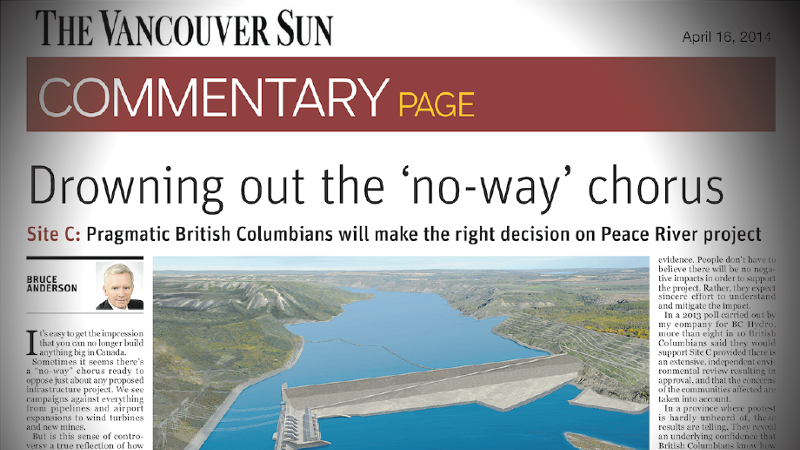
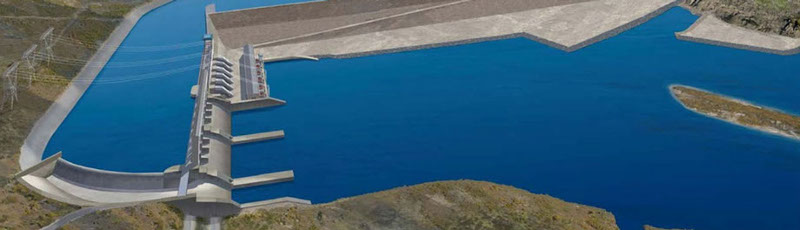
Still, with all the talk about NIMBYism, it might have been expected that residents of the province would recoil at the idea of building a major new dam on the Peace River, and grow even more resistant as debate unfolded.