
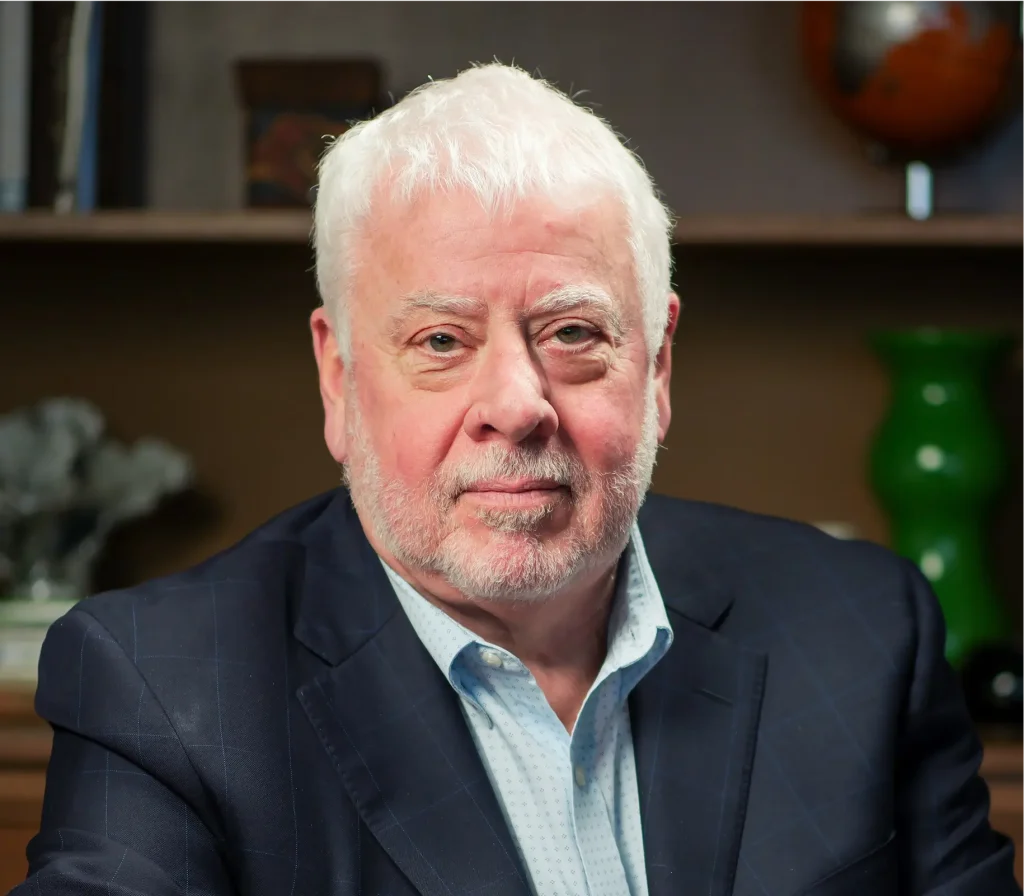
Ian Anderson knows firsthand what it means to persevere. Over 14 arduous years, he led the
complex, controversial, and ultimately successful $34-billion expansion of the Trans Mountain
(TMX) pipeline, one of Canada’s most ambitious energy infrastructure projects.
Now retired, Anderson’s journey with TMX exemplifies leadership defined by resilience,
innovation, and collaboration. Today, he brings those same qualities to Resource Works, a
non-profit dedicated to balanced dialogue on resource development, where he serves as a
board member.
The genesis of Resource Works
Ian Anderson recalls vividly the origins of Resource Works, founded amid contentious debates
within British Columbia’s business community about natural resource projects. Serving
alongside Greg D’Avignon on the Business Council of BC board, Anderson recognized a critical
gap:
“There was a greener element within the council that was skeptical about the
pipeline expansion. We needed a group to advocate responsibly for
natural-resource development, whether oil, gas, timber, mining, or fishing. That’s
how Resource Works was born.”
His longstanding professional relationship with Resource Works executive director Stewart Muir
made his transition to the organization’s board seamless.
A model for effective advocacy
Anderson frequently fielded questions from larger, well-funded industry associations puzzled by
Resource Works’ outsized influence despite its modest budget. He attributes this success
directly to the organization’s unique approach:
“Resource Works has always been apolitical. It focused solely on facts, education,
and transparent dialogue, influencing government agencies and public leaders
toward sustainable resource development.”
Navigating complexity at Trans Mountain
Under Anderson’s leadership, TMX faced daunting challenges—regulatory hurdles, escalating
costs (the project’s initial estimate ballooned from $12.6 billion to $34 billion), legal battles,
environmental opposition, and political uncertainty. Despite these, Anderson’s unwavering
commitment sustained the project’s momentum:
“It was a monumental achievement. A tremendous strain and effort, but we stayed
true to our vision.”
In 2018, after investor Kinder Morgan reached its risk tolerance limit, Anderson spearheaded
negotiations that culminated in the Canadian federal government purchasing the project for $4.7
billion. This critical juncture underscored Anderson’s skill in navigating complex stakeholder
environments.
A legacy of Indigenous collaboration
Perhaps the most notable aspect of Anderson’s leadership was his unprecedented approach to
Indigenous partnerships. Rather than imposing a predefined agenda, Anderson focused first on
understanding the aspirations of the communities involved:
“We didn’t start with agreements. Those came naturally, as communities expressed
interest. My priority was understanding each community’s goals and building
genuine relationships.”
His hands-on commitment involved countless weekends and long trips to remote communities,
fostering trust and mutual respect:
“The friendships, the trust, and economic opportunities we built were unparalleled. It
was unlike anything any project had done before.”
By the time he retired from TMX in April 2022, Anderson had secured support from over 60
Indigenous communities along the pipeline route. Under his stewardship, the company hired
more than 1,000 Indigenous individuals and awarded contracts valued at $2 billion to
Indigenous businesses.
Shaping the future
Ian Anderson’s story is one of visionary leadership, strategic risk-taking, and inclusive
engagement. At Resource Works, he continues to apply lessons learned at TMX to champion
responsible resource development, highlighting the critical balance between economic growth,
environmental stewardship, and community collaboration.
As Canada charts its path through evolving energy landscapes, Anderson’s experience serves
as a valuable template for leaders navigating complex, high-stakes projects in any sector.